



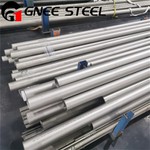


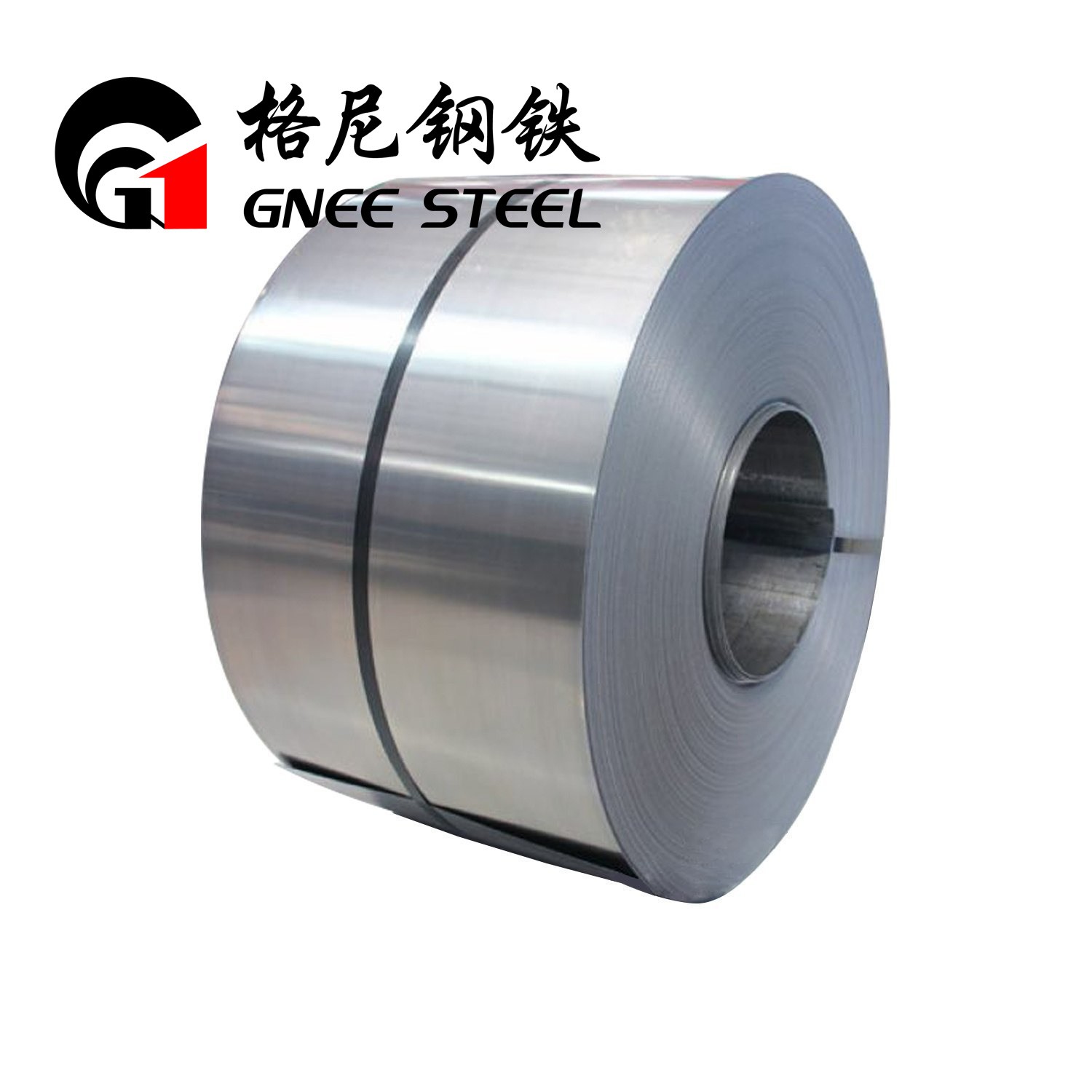
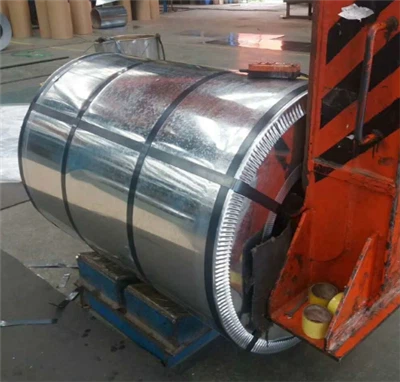
BZJ342/BQB 303 Hot Rolling Steel Coils
As a leading supplier and manufacturer in China, GNEE Steel provides cost-effective nickel-based alloy products.
- Send E-mail: ss@gneesteel.com
Gnee Super Alloy (Tianjin) Co., Ltd. is one of the most professional manufacturers and suppliers of bzj342/bqb 303 hot rolling steel coils in China. If you're going to wholesale high quality bzj342/bqb 303 hot rolling steel coils made in China, welcome to get free sample from our factory. Good service and reasonable price are available.
There are many methods of hot rolling, but the most common and simplest one is longitudinal rolling, that is, rolling along the length of the steel ingot. In the rolling process, it mainly consists of three parts: roll, rolled piece and emulsion. The interaction process between them also includes vertical roll edge rolling outside the roll gap, coiling tension control, etc.
Factors affecting scrolling
1) Various parameters of the roll. The main parameters affected by this factor are roll shape and surface roughness. The formulation of these two parameters can only be determined based on actual experience and the requirements of the rolling mill production process. For example, the selection requirements for the surface roughness of the hot rolling mill rolls must not only facilitate undercutting but also prevent undercutting. Slippage during the rolling process can also prevent the roughness of the roller surface from affecting the surface quality of the product. Surface roughness refers to the uneven shape of microscopic aggregates with small spacing and tiny peaks and valleys on the machined surface of the part. Although this is the definition, it encompasses the surface condition that is ground by a specific grinding process. For example, when grinding a work roll with a roughness of 1.0, the effect of grinding with a No. 80 grinding wheel is very different from that of grinding with a No. 150 grinding wheel. Others include different grinding fluids and different grinding processes. The effect will also vary.
2) Hot rolling temperature
The hot rolling temperature includes opening rolling temperature and final rolling temperature. The determination of the opening rolling temperature is mainly based on the solidus temperature of about 80% of the alloy phase diagram, while the final rolling temperature is determined based on the plasticity diagram of the alloy. Generally, it is required to control it above the recrystallization temperature of the alloy.
3) Rolling speed
Generally speaking, in order to improve production efficiency and ensure a reasonable final rolling temperature, high-speed rolling should be used as much as possible within the allowable range of the equipment. In actual production, different rolling speeds should be determined according to different rolling stages, such as the rolling stage, laying stage, coiling stage, etc. Different stages can be rolled at different speeds.
4) Hot rolling reduction system
The determination of the hot rolling reduction system mainly includes the determination of the total hot rolling processing rate and the pass processing rate. The determination principle of the total hot rolling processing rate is:
a) Properties of alloy materials, such as pure aluminum, have a wide high-temperature plasticity range, small hot rolling brittleness, and low deformation resistance, so the total processing rate is large. However, the hot rolling temperature range of duralumin alloy is narrow and the tendency of hot brittleness is high. The processing rate is usually less than that of soft aluminum alloys.
b) Meet the surface quality and performance requirements of the final product, such as supplying cold-rolled blanks, hot-rolled blanks
The total processing rate should leave sufficient cold deformation to facilitate control of product properties and obtain good cold rolling surface quality.
c) Rolling mill capacity and equipment conditions. The greater the difference between the maximum working opening of the rolling mill and the minimum rolling thickness, the thicker the steel ingot, and the greater the total hot rolling processing rate. However, the thickness of the steel ingot is limited by the opening of the rolling mill and the length of the roller table.



FAQ
Q: Can you provide sample?
A: Yes, for regular sizes sample is free but buyer need to pay freight cost.
Q:How can I get a quotation from you?
A:You can leave us message, and we will reply every message in time. Or we may talk on line by trade manager. And you can also find our contact information on contact page.
Q: Do you accept the third party inspection?
A: Yes absolutely we accept.
Q:About product prices?
A:Prices vary from period to period due to cyclical changes in the price of raw materials.
Hot Tags: bzj342/bqb 303 hot rolling steel coils, China bzj342/bqb 303 hot rolling steel coils suppliers, AISI430 Stainless Steel Foil, 304 316 316l SS Cold Rolled Steel Coils, 316L Stainless Steel Coil, 2507 Stainless Steel Coil
You Might Also Like



Send Inquiry