




Hastelloy Alloy


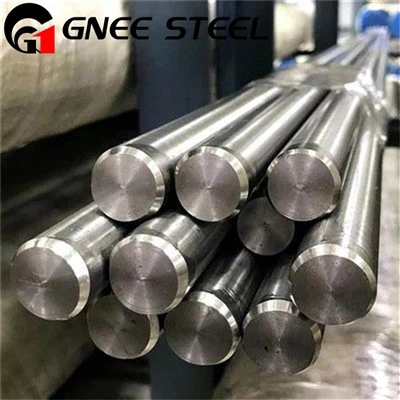
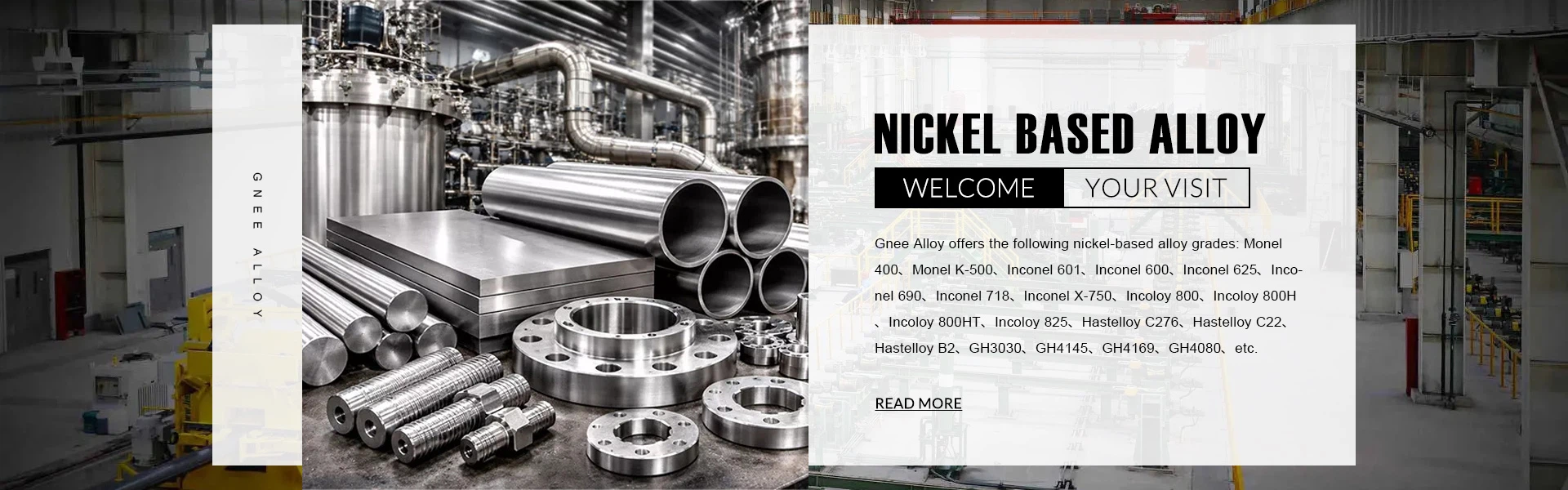
Hastelloy alloy is a corrosion-resistant nickel (Ni) alloy which contains other chemical elements such as chromium (Cr) and molybdenum (Mo). This material has high temperature resistance and outstanding corrosion resistance. Hastelloy alloy has good sulphfidation resistance and high metallurgical stability, which makes it preferable material for high-temperature applications of thermal energy storing and electricity generating devices such as gas turbines.
Exceptional Corrosion Resistance and Durability
Hastelloy alloys boast outstanding corrosion resistance and unparalleled durability. These two paramount advantages render them an appealing choice across numerous sectors. Additionally, they exhibit resistance to oxidation, making them indispensable in high-temperature environments. Moreover, hastelloy alloys excel in withstanding stress corrosion cracking, chloride pitting, and crevice corrosion. Consequently, these alloys find extensive applications in chemical processing plants, power plants, marine industries, and other industrial settings where corrosion or extreme temperatures pose significant risks. Furthermore, the ease of machining hastelloy alloys into intricate shapes without compromising their strength or integrity is an added advantage.
The Nickel-based Marvel
Hastelloy alloys primarily consist of nickel, along with chromium, molybdenum, iron, and cobalt. This meticulously balanced composition of metals endows Hastelloy with superior strength and enhanced resistance to corrosion compared to other alloys.
The Impenetrable Shield Against Corrosion
Of paramount significance, Hastelloy’s resistance to corrosion is one of its most prominent properties. This alloy effectively withstands both acidic and basic solutions, as well as saltwater, making it an ideal choice for diverse environments. Remarkably, Hastelloy remains unscathed even in the presence of chlorine and other halides.
Unyielding Strength and Durability
Another remarkable advantage of Hastelloy is its robustness and durability. Capable of enduring high temperatures without sacrificing its strength or turning brittle, Hastelloy exhibits negligible expansion or contraction when exposed to extreme thermal conditions. This remarkable attribute makes it a favored material for high-pressure applications.
Non-magnetic Excellence
Hastelloy’s non-magnetic nature is particularly valuable in applications that demand materials devoid of magnetic properties. This characteristic further enhances Hastelloy’s resistance to electromagnetic interference.
Ease of Workability
Compared to its counterparts, Hastelloy is relatively straightforward to work with. It can be welded, machined, and formed using conventional methods and equipment. Additionally, Hastelloy can undergo cold work without becoming brittle.
What are Features of Hastelloy Alloy?

Corrosion Resistance
Hastelloy has excellent corrosion resistance, especially for oxidizing acids and halogen ion containing media showing strong corrosion resistance.

High Temperature Performance
Hastelloy’s high temperature performance is also very good, can maintain excellent mechanical properties in high temperature environment.

Processing Properties
Hastelloy alloy has good processing properties, can be cold working, hot working and welding operations.

Physical Properties
Hastelloy’s physical properties such as thermal conductivity, electrical conductivity and thermal expansion coefficient also show excellent characteristics.
Hastelloy B
Hastelloy B is resistant to corrosion by reducing medium, suitable for manufacturing equipment for hot concentrated hydrochloric acid and hydrogen chloride gas. It features good strength at 1095 °C, used for old-fashioned internal combustion engines and rocket engine components.
Hastelloy B-2
Hastelloy B-2 exhibits excellent corrosion resistance to strong reducing chemicals such as hydrochloric acid and aluminum chloride catalyst. This alloy also has good intergranular corrosion resistance, suitable for equipment in hydrochloric acid and medium-concentration sulfuric acid (especially at high temperatures) environments.
Hastelloy B-3
Hastelloy B-3 is a nickel-molybdenum alloy containing about 28% molybdenum. This alloy can withstand atmospheric pressure of any concentration and hydrochloric acid of any temperature with the corrosion rate at less than 0.5mm/year.
Hastelloy C
Though sharing similar basic corrosion resistance like NS334 alloy, Hastelloy C exhibits better radiation resistance.
Hastelloy C-4
Hastelloy C-4 is corrosion resistant to chloride-containing oxidation or reduction. It features good thermal stability, suitable for wet chlorine, hypochlorous acid, sulfuric acid, hydrochloric acid, mixed acid, chloride device and direct application after welding. The alloy exhibits good high-temperature stability, toughness and corrosion resistance in temperatures ranging from 650 ° C to 1040 ° C, with its basic corrosion resistance same as that of NS334.
Hastelloy C-22
Hastelloy C-22 can be referred as an all-round nickel-chromium-molybdenum-tungsten alloy. It features better overall corrosion resistance than other existing nickel-chromium-molybdenum alloys. Hastelloy C-22 alloy has excellent resistance to pitting corrosion, crevice corrosion and stress corrosion cracking. Besides, it exhibits excellent resistance to aqueous solvents, including wet chlorine, nitric acid or mixed acid with chloride-ions-containing oxidizing acids.
Hastelloy C-276
Hastelloy C-276 is a corrosion-resistant alloy with many excellent properties, such as good resistance to oxidizing and moderate reducing corrosion, excellent stress corrosion cracking resistance and good local corrosion resistance. Hastelloy C-276 exhibits satisfactory corrosion resistance in many chemical process media, including strong corrosive mineral acid solutions, chlorine and various chloride-containing media, dry chlorine, formic acid and acetic acid, acid anhydride, seawater, brine and etc.
Hastelloy C-2000
Hastelloy C-2000 is a nickel-based super alloy composed of 55% nickel and other elements like molybdenum, chromium, copper and etc. It is an optimized alloy developed to expand the material applications.
Hastelloy G-3
Hastelloy G-3 is a high-performance nickel-based corrosion-resistant alloy. It belongs to Ni-Cr-Fe alloy group that contains Mo and Cu. The super alloy features excellent resistance to oxidation, atmospheric corrosion and stress corrosion cracking. Hastelloy G-3 also has high resistance to local corrosion, such as pitting corrosion and crevice corrosion.
Hastelloy G-30
Hastelloy G-30 is a high-chromium nickel-based alloy that has better corrosion resistance than most other nickel-based and iron-based alloys in environments mixed with commercial phosphoric acid and many highly oxidizing acid media, such as nitric acid/hydrochloric acid, nitric acid/hydrofluoric acid, and sulfuric acid. G-30 alloy can prevent welding heat from affecting the formation of grain boundary precipitation within the heating zone, so the welded product is applicable to various chemical treatment projects.
Hastelloy G-35
Hstelloy G-35 features outstanding resistance to pitting and crevice corrosion in the halogenide medium and sulfuric acid-containing acidic environment, effectively resistant to chloride ion stress corrosion. Hstelloy G-35 also has good corrosion resistance and stability in oxidizing and reducing media, with slightly better mechanical properties than 904L. It can be used for manufacturing pressure vessel at temperatures ranging from -196 to 400 °C.
Hastelloy X
Hastelloy X is a nickel-chromium-molybdenum alloy with addition of the cobalt and tungsten. It exhibits excellent oxidation resistance at temperatures up to 1200 ° C and can also be used in neutral and reducing atmospheres. Meanwhile, alloy Hastelloy X is resistant to carbonization and nitriding atmosphere.
Oil and Gas
The oil is extracted from thousands of meters down, where temperatures and pressures are extraordinarily high.
Furthermore, the atmosphere in some oil fields is quite harsh, which can cause significant metal corrosion.
Hastelloy alloys provide high performance with exceptional high-temperature corrosion resistance and high-temperature stress resistance in these configurations.
Chemical Processing
One of the most important manufacturing businesses is chemical processing.
Hastelloy alloys can be used to make reactor equipment such as columns, pipe systems, pressure vessels, heat exchangers, and more.
They can tolerate many of the daily chemical reactions that occur in these facilities due to their exceptional corrosion resistance.
Aerospace Industry
Many Hastelloy alloys are best for aerospace applications due to their creep resistance and minimal expansion at high temperatures.
Hastelloy alloys are commonly used in the aircraft sector for structural honeycombs, fasteners, connections and engine components.
Nickel, Chromium and Molybdenum
Nickel, chromium and molybdenum are three inseparable elements in superalloys. The ratio of these three elements determines the different properties of superalloys. In Hastelloy alloys, the proportion of nickel, chromium and molybdenum varies from grade to grade.
The nickel element mainly affects the high temperature resistance of Hastelloy alloys. Generally speaking, the higher the nickel content, the better the high temperature resistance of the alloy.
Chromium and molybdenum both affect the corrosion resistance of the alloy. The difference is that chromium acts as an anti-oxidant while molybdenum acts as an anti-reduction agent. Therefore, the ratio of chromium to molybdenum determines whether the alloy is more focused on oxidative or reductive corrosion. Among the Hastelloy alloys, the Hastelloy B series has the highest molybdenum content and the lowest chromium content. The Hastelloy C series has a relatively balanced content of molybdenum and chromium. It has a comprehensive corrosion resistance. The chromium content of the Hastelloy G series is greater than the molybdenum content of the alloy. These alloys are more important for oxidation resistance.
Tungsten
Tungsten is a typical component of Hastelloy alloys. Its role is mainly to increase the solid solution strengthening effect of the alloy. The higher the tungsten content in the alloy, the higher the strength of the alloy. In addition, tungsten increases the alloy's resistance to pitting.
Copper
The element copper is a good corrosion resistant metal element. Among the Hastelloy alloys, Hastelloy C-2000 is a typical copper-containing alloy. Copper brings excellent resistance to sulfuric acid to this alloy.
Cobalt
Cobalt is an effective solid solution strengthening element. The Hastelloy X alloy contains 0.5% to 2.5% cobalt. This is the basis for its excellent high temperature properties.
Regular Inspections
Conduct routine inspections of alloy equipment to identify any signs of wear, corrosion, or damage.
Cleaning
Maintain cleanliness to prevent the buildup of contaminants and corrosive substances on the equipment’s surface.
Corrosion Control
Implement corrosion control measures as needed, such as protective coatings or inhibitors, to extend the equipment’s lifespan.
Proper Storage
When not in use, store Hastelloy equipment in a dry, well-ventilated area to prevent moisture-related corrosion.
Avoid Abrasive Materials
Refrain from using abrasive cleaning materials or harsh chemicals that could damage the alloy’s surface.
Temperature Monitoring
Keep an eye on operating temperatures to ensure they remain within the recommended range to prevent thermal degradation.
Periodic Testing
Consider periodic testing for corrosion resistance and structural integrity to identify any potential issues early.
Our Certificate
Its stainless steel pipe production technology has reached the world's average technical level. It has been recognized by dozens of project companies and has become a star enterprise in Asia.

The Group adheres to the principle of "one-stop service, making choices easier". Continuing to meet the different needs of global customers in the field of the world's steel supply chain. A professional sales team provides customers with first-class services. A rigorous procurement and quality inspection team selects high-quality raw materials. A shipping and logistics team that ensures the protection of product transportation.
Contact Us
Frequently Asked Questions
Q: What are the advantages of Hastelloy Alloy?
Q: In what areas can Hastelloy Alloy be used?
Q: What grades of Hastelloy Alloy are available?
Q: How is Hastelloy made?
Q: What is Hastelloy used for?
Q: What are the mechanical properties of Hastelloy Alloy?
Q: What are the characteristics of Hastelloy C276?
Q: What are the special properties of Hastelloy Alloy?
Q: What are the advantages of Hastelloy C-276 Alloys?
Q: What are the applications of Hastelloy C-276 Alloys?
Q: Besides Hastelloy B, C and G series, what other Hastelloy alloys are available?
Q: What is the price of Hastelloy alloys?
Q: What is the difference between Hastelloy alloys and other superalloys?