Titanium Alloys

Your Leading Titanium Alloys Supplier


GNEE Steel Group is a supply chain-integrated enterprise including steel plates, coils, profiles, outdoor landscape design, and processing. Our products include Super Alloys, Inconel Alloys, Incoloy Alloys, Monel Alloys, Duplex Stainless Steel, Hastelloy Alloys, Titanium Alloys, Copper Alloys, Aluminum Alloys, Zirconium Alloys, Tantalum Alloy, Niobium Alloy, Molybdenum Alloy, Tungsten Alloy, Stainless Steel Pipes and Tubes, Stainless Steel Plates and Sheets, Stainless Steel Coils, Stainless Steel Pipe Fittings, Stainless Steel Rods and Bars.


Why Choose Us?

Rich Experience

GNEE Steel Group was founded in 2008 and has more than 10 years of experience in manufacturing steel.


One-Stop Solution

GNEE Steel Group is a professional, one-stop supply chain enterprise for steel products, covering product research and development, sales, promotion, and providing professional services.

Broad Market

The company's products are sold to Europe, Australia, and exported to more than 70 countries around the world. It has a total of more than 800 global cooperative enterprises, which include 15 shipbuilding companies, 143 engineering project companies, and 23 boiler machinery manufacturers.

Delivery on Time

Our annual product sales volume is 1 million tons, our inventory is 200,000 tons, and our annual export volume has reached 80,000 tons, ensuring on-time delivery.


First 12 Last 1/2
Definition of Titanium Alloys


Titanium alloys are alloys that contain a mixture of titanium and other chemical elements. Such alloys have very high tensile strength and toughness (even at extreme temperatures). They are light in weight, have extraordinary corrosion resistance and the ability to withstand extreme temperatures.


What are Advantages of Titanium Alloys?


Resistance to Corrosion
When exposed to air, a thin layer of oxide forms on the surface of titanium. This layer is very difficult for most materials to penetrate. As such, titanium demonstrates fantastic resistance to corrosion – and will not suffer adverse changes (i.e. pitting, cracking) due to corrosive substances.
Whether it’s used indoors or outdoors, it will last for many years – making it an excellent choice for buildings and marine applications, where it will be continuously exposed to seawater and rain.


Strength
One of the biggest advantages of titanium is its strength. Not only is it one of the strongest metals on the planet (rivalling even steel!), it also has the highest strength-to-density ratio of any metallic element on the periodic table. This makes it a popular option in many professions.
What’s more, as it has a low density, titanium is also incredibly lightweight.
To put this into perspective, titanium has a specific gravity of 4.5 – which is approximately 40% lighter than an equal amount of copper and 60% lighter than an equal amount of iron. This is one of the reasons why it’s often used in the aerospace industry and to create structural frames.


Non-Toxic
Metals such as iron, steel and aluminium can all be toxic to humans.
By contrast, titanium is bio-compatible. It is completely non-toxic to both humans and animals (partially due to the fact that it’s resistant to corrosion) – and, as a result, can be safely implanted into the body without causing an adverse reaction. This is why titanium is commonly used within the medical industry (e.g. to permanently strengthen broken bones) and for dental implants.


Low Thermal Expansion
Titanium has a low coefficient of thermal expansion.
Essentially this means, compared to most other manufacturing materials, it will not expand and contract anywhere near as much under extreme temperatures. In fact, it expands approximately 50% less than steel, and therefore provides much greater structural stability.
This feature is especially useful if creating a superstructure that requires a rigid yet lightweight framework. It also makes titanium suitable for building applications where fire safety is paramount (e.g. skyscrapers).


High Melting Point
This is one of the key benefits of titanium. It demonstrates an exceptionally high melting point (around 1668°C) and, as such, is perfect for use in high-temperature applications. For example, it’s the metal of choice for foundries, turbine jet engines and even some satellites.
It’s worth noting, this advantage is enhanced due to the low thermal expansion mentioned above.


Excellent Fabrication Possibilities
Despite its strength, titanium is a relatively soft and ductile refractory metal. As such, it can be easily machined and fabricated to create a diverse range of metal parts and components. Due to its resistance to oxidisation, it can also be open-air and seam welded, without the need for any type of flux agent – and the weld zone will not require any form of additional protection.


What are Features of Titanium Alloys?
ASTM 钛合金 GR11 圆棒
ScreenShot2026-02-12163515362
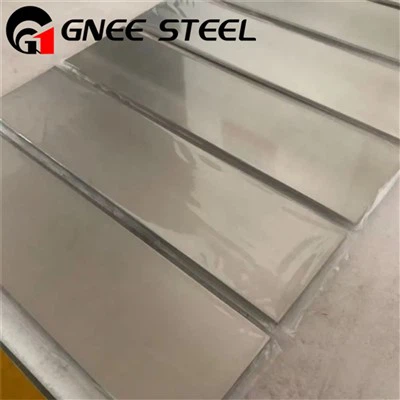
Titanium plate
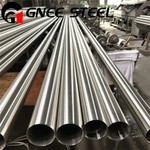
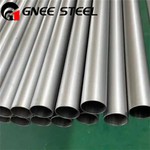
Titanium pipe

Corrosion Resistant
Titanium is highly resistant to corrosion from seawater, chlorine, and many other corrosive agents, making it useful in marine, and chemical processing applications.


Lightweight
Titanium has a low density compared to many other metals. It is ideal for use in lightweight structures and components in the aerospace and automotive industries.


High Strength
Titanium’s strength rivals that of steel. A titanium structure of equivalent strength, however, weighs approximately 45% less than the corresponding steel structure because of titanium’s lower density. Because of its high strength and high strength-to-weight ratio, titanium is often used in aerospace, automotive, medical, and marine applications.


Biocompatible
Titanium is considered the most biocompatible metal due to its inertness, its resistance to corrosion by bodily fluids, its capability to integrate into bone (osseointegration), and its high cyclic fatigue limit. This makes titanium useful in bone, joint, and dental implants.


Heat Resistant
Titanium has low thermal conductivity. This makes titanium ideal for high-heat applications in machining, spacecraft, jet engines, missiles, and automobiles.


Nonmagnetic
Titanium is nonmagnetic, but becomes paramagnetic in the presence of a magnetic field.


Ductile
Titanium is a ductile metal whose ductility improves with increased temperatures. Additionally, alloying titanium with other ductile metals like aluminum significantly improves its ductility.


Low Thermal Expansion
Titanium has a low coefficient of thermal expansion. At extreme temperatures, titanium will not expand or contract as much as other materials such as steel. Its low thermal expansion properties make titanium ideal for structural applications that experience high temperatures such as in aerospace and spacecraft or large buildings and skyscrapers in the event of a fire.


Excellent Fatigue Resistance
Titanium has excellent fatigue resistance. This makes titanium ideal for aerospace applications where structural parts of aircraft such as landing gear, hydraulic systems, and exhaust ducts are subjected to cyclic loading.


Common Types of Titanium Alloys


Alpha Alloys
Alpha alloys are titanium alloys that are only purposely alloyed with oxygen. While other components such as carbon and iron can be found in small quantities, they only exist as impurities. As an interstitial alloying element, oxygen significantly boosts strength while decreasing ductility. The chemical and engineering industries are the primary users of alpha alloys.
Here, great corrosion behavior and deformability are more important than high (specific) strength. The main difference between commercially pure (cp) titanium grades is their oxygen concentration.


Near-Alpha Alloys
Near-alpha alloys of titanium are the most common high-temperature alloys. This alloy class is appropriate for high temperatures because it combines the superior creep behavior of alpha alloys with the high strength of alpha + beta alloys. However, their maximum working temperature is now limited to 500 to 550 ºC.


Beta and Near-Beta Alloys
Beta alloys are another type of titanium material. Manufacturers create all titanium alloys by adding enough beta-stabilizing elements to titanium. These materials have been available for many years but have only lately gained popularity. They are more easily cold workable than alpha-beta alloys, heat treatable to high strengths, and some have better corrosion resistance than commercially pure grades.


Alpha and Beta Alloys
These are typically medium to high strength materials with tensile strengths ranging from 620 to 1250 MPa and creep resistance ranging from 350 to 400°C. In addition to tensile properties, they also have low and high cycle fatigue and fracture toughness characteristics.
As a result, people developed thermomechanical and heat treatment procedures to ensure that the alloys provide an optimal balance of mechanical properties for various applications.


Applications of Titanium Alloys
 
01/

Aerospace Applications
By combining light weight with high strength, titanium helps to reinforce airframes and enable higher performance in jet engines. In the case of the space shuttle, titanium is used for many critical parts, including the exterior paneling of the fuel tank and wing parts.

02/

Aircraft and Jet Engines
Aircraft use a large amount of titanium alloy because it is light and extremely strong at high temperatures. Titanium is used to strengthen the frame structure and contributes towards the technical advancement of jet engines.

03/

Spacecraft
Titanium alloy, which has high corrosion resistance, high specific strength, and good heat resistance, is used for different spacecraft parts including outer fuel tank sheathing and wings.

04/

Chemical Industrial Production Plants
LNG plants, Seawater desalination plants, Petroleum refineries, Nuclear power plants
Recognized for total cost merits provided by its durability over an extended period, the adoption of titanium for plant structural and equipment materials is on the rise.

05/

Tanker Trucks
Tanker trucks that carry sodium hypochlorite and sodium chromate use titanium because it is light, resistant to corrosion, and extremely strong.

06/

Heat Exchangers
Titanium is a safe and economical material that is perfect for heat exchangers, which are used in extreme high-temperature and high-pressure conditions.


Applications of Titanium Alloys

Aerospace Applications

By combining light weight with high strength, titanium helps to reinforce airframes and enable higher performance in jet engines. In the case of the space shuttle, titanium is used for many critical parts, including the exterior paneling of the fuel tank and wing parts.

Aircraft and Jet Engines

Aircraft use a large amount of titanium alloy because it is light and extremely strong at high temperatures. Titanium is used to strengthen the frame structure and contributes towards the technical advancement of jet engines.

Spacecraft

Titanium alloy, which has high corrosion resistance, high specific strength, and good heat resistance, is used for different spacecraft parts including outer fuel tank sheathing and wings.

Chemical Industrial Production Plants

LNG plants, Seawater desalination plants, Petroleum refineries, Nuclear power plants
Recognized for total cost merits provided by its durability over an extended period, the adoption of titanium for plant structural and equipment materials is on the rise.

Tanker Trucks

Tanker trucks that carry sodium hypochlorite and sodium chromate use titanium because it is light, resistant to corrosion, and extremely strong.

Heat Exchangers

Titanium is a safe and economical material that is perfect for heat exchangers, which are used in extreme high-temperature and high-pressure conditions.


How to Clean a Titanium Alloys?


Prevention of Galling
Galling not only causes excessive wear on titanium but may also result in accelerated corrosion through fretting action. Simple lubrication, using graphite or molybdenum disulfide, is often sufficient to overcome galling. It is, therefore, possible to use titanium for moving parts or for parts in sliding contact with itself or other metals with light to moderate loads. Heavier loads, on the other hand, require hardened titanium surfaces. Commercially available case hardening techniques, such as plasma spraying, ion implantation, anodising or nitriding, or coating techniques such as hard chromium electroplating or flame spraying of tungsten carbide and other hard, wear-resistant materials, are used.
Such surface treatments possess the required qualities of good adherence plus wear and scuff resistance. However, careful consideration has to be given to the compatibility of the treated surface with the corrosive environment to which it will be exposed.


Cleaning Titanium Equipment
The efficiency of titanium surfaces can usually be maintained without elaborate cleaning procedures. There is generally no need to clean for corrosion protection as is sometimes required with stainless steel, nor does the thin oxide surface film in any way combine with cooling water to form heavy mineral deposits as sometimes occurs on copper based alloys.
Marine fouling of heat exchanger surfaces is sometimes controlled by chlorine injection. Titanium surfaces are totally unaffected by such treatments. Titanium surface condenser tubing is also kept clean in this way as well as by continuous cleaning systems utilizing rubber balls or nylon brushes, without deleterious effects.


Acid Cleaning
Acid cleaning of titanium surfaces to remove deposits is sometimes necessary. Conventional acid cleaning cycles can be used provided proper inhibitors are present. Organic inhibitors such as filming amines are not effective with titanium. Ferric ion as ferric chloride is very effective as an inhibitor for titanium in acid solutions. As little as 0.1 percent (by weight) ferric chloride will inhibit corrosion of titanium by hydrochloric acid, for instance. At ambient temperatures, as much as 25 percent (by weight) HCl inhibited with FeCl3 can be safely used on titanium.
Nitric acid is an excellent passivating agent for titanium and may be used alone or with hydrochloric acid to clean titanium surfaces.


Brush Cleaning
The use of carbon steel wire brushes to remove deposits from titanium is not recommended. Likewise, carbon steel pipe or tube should not be used to clean out plugged titanium tubes. Pickup of imbedded or smeared iron particles from steel can render titanium susceptible to corrosion when the unit is placed back in service. Stainless steel or titanium wire brushes and pipe are preferred. Careful utilization of titanium’s unique properties will provide many years of maintenance-free service for fabricated equipment. Misapplication of titanium, the use of improper cleaning procedures and other abuses can lead to failure. On the other hand, careful use of some preventive measures, particularly those concerned with corrosion and galling resistance, can significantly extend the useful life of titanium equipment.


The Considerations for Buying


Application Requirements
The primary factor in selecting a titanium alloy is the intended application. Whether you’re working in aerospace, medical, automotive, or any other industry, the alloy’s mechanical and chemical properties must align with your project’s demands. For instance, Ti-6Al-4V (Grade 5) is a popular choice for aerospace components due to its high strength and corrosion resistance.


Strength and Weight
Titanium is valued for its exceptional strength-to-weight ratio. Different alloys offer varying levels of strength, with some surpassing the strength of many steel alloys. Balancing strength and weight is crucial in applications like sports equipment and prosthetics.


Corrosion Resistance
Titanium’s corrosion resistance is legendary. Its alloys are used in harsh environments where corrosion is a concern, such as marine applications and chemical processing. Ti-6Al-4V and Ti-6Al-4V ELI are known for their exceptional resistance to corrosion.


Temperature Resistance
In applications involving extreme temperatures, such as jet engines or heat exchangers, you must choose an alloy that can withstand the conditions. Alloys like Ti-6Al-4V, Ti-6Al-4V ELI, and Ti-5Al-2.5Sn offer excellent high-temperature performance.


Fabrication and Machinability
Consider the ease of fabrication and machinability when selecting a titanium alloy. Some alloys can be challenging to work with, while others are more user-friendly, depending on your manufacturing process.


Our Certificate


Its stainless steel pipe production technology has reached the world's average technical level. It has been recognized by dozens of project companies and has become a star enterprise in Asia.


productcate-1-1


Our Service


The Group adheres to the principle of "one-stop service, making choices easier". Continuing to meet the different needs of global customers in the field of the world's steel supply chain. A professional sales team provides customers with first-class services. A rigorous procurement and quality inspection team selects high-quality raw materials. A shipping and logistics team that ensures the protection of product transportation.


Contact Us
write to us
Email: ss@gneesteel.com
visiting us
Address: No.4-1114, Beichen Building, Beicang Town, Beichen District, Tianjin, China
Fax
Fax: +86-372-5055135
Contact directly
Phone: +86 15824687445
TEL: +86-372-5055135


Frequently Asked Questions


Q: What are the classifications of Titanium Alloys based on strength?

A: Low Strength
These are alloys of titanium with a yield strength of fewer than 73 KSI (500 MPa). They function in applications that need moderately strong materials. Examples include ASTM grades 1,2,3,7 and 11.
 
Moderate Strength
These are titanium alloys with yield strength between 73 and 131 KSI (500 and 900 MPa). They ASTM grades 4,5, and 9, Ti-2.5%Cu, Ti-8%Al-1%Mo-0.1%V.
 
Medium Strength
These are titanium alloys with yield strength between 131-145 KSI (900-1000 MPa). They function in critical applications requiring high-strength properties, good corrosion resistance, and notch toughness at elevated temperatures. Some examples include Ti-6%Al-2%Sn-4%Zr-2%Mo and Ti-5.5%Al-3.5%Sn-3%Zr-1%Nb-0.3%Mo-0.3%Si.
 
High Strength
High-strength alloys of titanium have tensile strengths between 145 and 174 KSI(1000-1200 MPa). They are resistant to fatigue, creep, and corrosion, making them suitable for demanding applications such as aircraft parts and medical implants.
 
Very High Strength
Very high-strength alloys have tensile strengths exceeding 174 KSI (1200 MPa). This material class is expensive but offers exceptional performance in demanding applications such as jet engines, rocket motors, spacecraft, and nuclear reactors. Examples include Ti-10%V-2%Fe-3%Al and Ti-4%Al-4%Mo-4%Sn-0.5%Si.

Q: What are the grades of Titanium Alloys?

A: Titanium alloys are available in a wide range of grades, each with its specific properties. The following are some of the most common titanium alloy grades.
 
Grade 5 Titanium Alloy
Grade 5 is the most common titanium alloy due to its high strength. It is a commonly welding alloy that can function in structural and pressure-containing components. It has high corrosion resistance in both oxidizing and reducing environments.
In addition, it also finds use in the chemical and petroleum industries and the fabrication of offshore drilling platforms. The alloy functions in constructing water treatment facilities, nuclear reactors, and other critical environments requiring a high-strength, low-cost material.
 
Grade 6 Titanium Alloy
Grade 6 is a commonly welded titanium alloy containing aluminum and tin often used for components exposed to elevated temperatures. In addition to its high-strength properties, the alloy has excellent stability, making it a good choice for airframes and jet engines.
 
Grade 7 Titanium Alloy
Grade 7 titanium alloy is especially useful for low temperatures and pH applications. This is a result of its extreme corrosion resistance.
 
Grade 11 Titanium Alloy
Grade 11 is a titanium alloy with good high-temperature strength and high corrosion resistance. The alloy is a raw material for components operating in high temperatures, such as chemical and petroleum processing equipment and manufacturing aircraft engines and airframes. Grade 11 is also used to manufacture turbines, liquid hydrogen storage tanks, and other critical equipment. The alloy is easily fabricated by machining, forging, rolling, and extruding.
 
Grade 12 Titanium Alloy
It applies to manufacturing aircraft components, such as engine parts, airframes, landing gear, fuel systems, and other critical equipment. The alloy is also used to manufacture cryogenic vessels, heat exchangers, distillation columns, and other equipment operating at high temperatures.
In addition, grade 12 is easily fabricated by machining, forging, rolling, and extruding. Therefore, it is ideal for the manufacture of valves, fittings, and other equipment requiring corrosion-resistant materials.
 
Grade 23 Titanium Alloy
Grade 23 is a titanium alloy with good ductility and fracture toughness. It functions mostly in the manufacture of medical implants.

Q: Why Is Machining Titanium Alloys Difficult?

A: Titanium alloys are difficult to machine because they are hard and have a low coefficient of friction. The hardness of titanium results from its high strength and density, making it difficult to cut and shape. High strength also means that the material is less malleable and prone to cracking, which can happen during machining, heat treatment, or welding.
The low coefficient of friction can cause problems when cutting or milling titanium with conventional tooling materials. Titanium chips easily make it difficult for the tool to remove material from the workpiece. Chips also tend to stick to the tool tooth surface because there is no lubrication between them and the tool. This causes chip build-up on the tool face at high feed rates, resulting in poor surface finishes, reduced tool life, and excessive vibration during machining.
Another difficulty with machining titanium alloys is their low thermal conductivity, which means they don’t cool down quickly enough when machining with cutting fluids or water cooling systems. This causes the workpiece material to become soft and reduces tool life because of chattering or breakage of tools.

Q: What are some tips for processing Titanium Alloys?

A: Given the special properties of titanium alloys, machining these metals can be a little tricky. To machine these components effectively, you must know what tools and techniques to use. We have compiled a list of useful tips on how you can machine titanium alloys effectively.
 
machined titanium part
Use the Right Tools and Equipment
First and foremost, you must ensure that you are using the right tools and equipment for the job. This might sound pretty obvious, but it’s a crucial step in any machining process. Titanium alloys are more difficult to machine due to their increased hardness. Always use high-speed steel tools and carbide-tipped bits when cutting titanium. Steel tools will dull quickly when used on this material, while carbide tips cut cleanly and last longer.
 
Transmit the Generated Heat into the Chip
One important aspect of efficiently machining titanium is transmitting the generated heat into the chip. This helps to keep the workpiece, the tool, and the coolant fluid at a relatively consistent temperature. The most effective way to do this is to use a horizontal spindle machine for titanium machining.
 
Another thing you can do to transmit the generated heat into the chip is to increase the feed rate for the part. A higher feed rate can help to keep the temperature consistent during the machining process. This can be especially helpful when machining parts with large feature sizes.
 
titanium in auto parts
Increase Coolant Concentration and Pressure
As mentioned, titanium alloys have a higher heat conductivity than other metals. Therefore, you should increase the coolant concentration and pressure when machining these materials. Increasing the coolant concentration can help reduce the heat that builds up in the machine. It can also help to keep the workpiece and tool at a relatively consistent temperature, allowing you to increase feed rates for the part.
If you are using a water-based coolant, you can increase the concentration of this fluid by adding an antifoaming agent. A good option for an antifoaming agent is sodium salts, which help increase water’s boiling point and viscosity.
 
Avoid Galling
Titanium alloys typically have a lower lubricity than other metals. This means that they are more likely to gall during machining. Galling is a phenomenon that occurs when two opposing pieces of metal come into contact, and one piece becomes trapped between the two. Galling can cause the machining process to become much more difficult and significantly reduce tool life.
You can help to avoid galling when machining titanium alloys by using a smaller feed rate and a lower spindle speed. In addition, if you are already experiencing galling, you can often fix the problem by increasing the coolant concentration. This can help break the existing gall and allow you to continue the machining process.

Q: What industries are Titanium Alloys used in?

A: Aerospace Industry
titanium for aerospace applications
Titanium alloys are used extensively in the aerospace industry due to their high strength-to-weight ratio. They are used to make aerospace fasteners, aircraft frames, landing gear assemblies, and jet engines because they can withstand extreme temperatures without corroding or cracking under pressure.
 
Medical Industry
Titanium alloys are used in medical devices such as artificial joints and hip replacements because they are biocompatible and corrosion-resistant. The metal can be machined into intricate shapes without fracturing or cracking, making it ideal for surgical instruments such as scalpels or forceps. It is also used in dental implants because it does not irritate soft tissues like stainless steel does when implanted into the mouth cavity.
 
Electronic Industry
Titanium alloys have many uses in electronics because they are highly conductive and resistant to corrosion from most acids and alkalis. This makes them ideal for use as connectors in batteries or other electrical components that require electrical contact with each other but must not corrode over time from exposure to corrosive substances such as salt water.

Q: What can the types of Titanium Alloys do?

A: Ti 6Al-4V (Grade 5)
Ti-6AL-4V is the most commonly used of the titanium alloys. It is therefore commonly referred to as the titanium alloy “workhorse.” It is believed to be used in half of the usage of titanium around the world.
These desirable properties make Ti-6AL-4V a popular choice in several industries including medical, marine, aerospace and chemical processing. Ti 6AL-4V is commonly used to make:
Aircraft turbines.
Engine components.
Aircraft structural components.
Aerospace fasteners.
High-performance automatic parts.
Marine applications.
Sports equipment.
 
Ti 6AL-4V ELI (Grade 23).
Ti 6 AL-4V ELI is commonly referred to surgical titanium because of its use in surgery. It is a more pure version of Grade 5 (Ti 6AL-4V) titanium alloy. It can be easily molded, and cut into small strands, coils, and wires.
It has the same strength, and high corrosion resistance as Ti 6AL-4V. It is also light-weight and is highly tolerant to damage by other alloys. Its use is highly desirable in the medical and dental fields for uses in complex surgical procedures not only because of these properties but also because of the unique surgical properties Ti 6AL-4V ELI has. It has superior biocompatibility making it easy to graft in and attach to bone all the while being accepted by the human body. Some of the more common surgical procedures Ti 6AL-4V ELI is used in include:
Orthopedic pins and screws.
Orthopedic cables.
Ligature clips.
Surgical staples.
Springs.
Orthodontic appliances.
In joint replacements.
Cryogenic vessels.
Bone fixation devices.
 
Ti 3Al 2.5 (Grade 12)
Ti 3 AI 2.5 is the titanium alloy with the best weldability. It is also strong at high temperatures like the other titanium alloys. This grade 12 titanium alloy is unique in that it exhibits characteristics of stainless steel (one of the other strong metals), such as being heavier than the other titanium alloys.
Ti 3 Al 2.5 is most commonly used in the manufacturing industry, specifically in equipment. It is highly resistant to corrosion and can be formed by heat or cold. Grade 12 titanium alloy is used the most in the following industries and applications:
Shell and heat exchangers.
Hydrometallurgical applications.
Elevated temperature chemical manufacturing.
Marine and airfare components.
 
Ti 5Al-2.5Sn (Grade 6)
Ti 5Al-2.5Sn is a non-heat treatable alloy that can achieve good weldability with stability. It also possesses high temperature stability, high strength, and good corrosion resistance. It has a uniquely high creep (plastic-like strain over long periods of time, usually caused by extreme temperatures) resistance. Ti 5Al-25.Sn is mostly used in aircraft and airframe applications.

Q: Where are Titanium Alloys used?

A: Jewelry
Titanium is commonly used in jewelry to make piercings, wristwatches, necklaces, rings, and other items due to its durability, light weight, and corrosion resistance. Additionally, titanium is sometimes mixed with gold to make 24-karat gold alloys which are harder and more durable than pure gold alternatives. Because of its biocompatibility, Titanium is popular among people who have allergies to other metals often found in jewelry, such as nickel.
 
Medical 
Titanium is a highly critical metal in the medical industry due to its high strength, fatigue resistance, and biocompatibility. Titanium is often used in surgical and dental tools, implants, and joint replacements. Osseointegration, the ability of a bone and artificial implant to form a structural and functional connection, is possible with titanium. Titanium’s biocompatibility and non-toxicity enable better patient outcomes and durable and strong implants and prosthetics that can last up to 30 years.
 
Industrial 
Titanium is commonly used in a broad range of industrial environments due to its high strength and fatigue resistance, corrosion resistance, light weight, and durability. Uses of titanium in industrial settings include heat exchangers, tanks, reactors, valves, pipes, connecting rods, pumps, and more.
 
Aerospace
Titanium is a great choice for the manufacture of aerospace parts and vehicles and accounts for nearly 50% of the total weight of an aircraft. It is often used to manufacture critical parts such as landing gear, firewalls, and hydraulic systems. Titanium is valued in the aerospace industry because of its low density, high strength-to-weight ratio, corrosion resistance, and fatigue resistance.
 
Architectural 
Titanium is ideal for architectural products due to its light weight, high strength, corrosion resistance, and durability. While steel is still preferred to titanium when it comes to building frames, titanium is often used for glass frames, facades, roofs, interior wall surfaces, and ceilings due to its corrosion resistance and high strength-to-weight ratio.
 
Composites 
Titanium-based composites are recently developed materials that utilize titanium’s strength and weight characteristics to produce titanium fiber-reinforced or particulate (powder) reinforced composites. Titanium composites exhibit higher stiffness, wear resistance, and strength than conventional alloys. While titanium composites have only been developed since the start of the 21st century, they are beginning to be implemented in aerospace and automotive applications.
 
Automotive Industry 
Titanium is often used in the automotive industry to make engine parts, crankshafts, valve seats, connecting rods, exhaust systems, suspension systems, and automotive frames. Titanium is highly coveted in the automotive industry due to its low density, high strength-to-weight ratio, corrosion resistance, and heat resistance. Not only do these characteristics of titanium enable improved aerodynamics and performance, but its low density and high strength also lead to a more cost-effective manufacturing process since less material is used to satisfy particular applications.
 
Chemical Processing 
Titanium is often used in the chemical processing industry due to its corrosion resistance and chemical inertness. While the reactivity of titanium significantly increases at higher temperatures (>700 °F), titanium is generally unreactive and stable at lower temperatures. Titanium is often used in pipes, flanges, tubing, tanks, pumps, and heat exchangers.

Q: Which Grade of Titanium Is Best?

A: Grade 5 (Ti 6Al-4V) titanium is the most versatile grade of titanium due to its wide range of desirable properties. It has high strength and ductility and is also corrosion-resistant, thermally stable, and highly formable. Its properties enable Grade 5 titanium to be ideal across a broad scope of industries and applications: from automotive and aerospace parts to sporting goods and consumer products.

Q: What Grade of Titanium Is Used for 3D Printing?

A: Grade 5 (Ti 6Al-4V) titanium is the one used for 3D printing. Grade 5 is best for 3D printing because of its high strength, excellent formability, and thermal stability. Powder bed fusion 3D printing methods like selective laser melting, electron beam melting, and direct metal laser sintering are used to 3D print titanium. These processes consist of selectively melting titanium powder that has been precisely laid onto a print bed. A powerful laser or electron beam melts the titanium powder and fuses it with the preceding layers of printed material to build completed parts.

Q: What Are the Properties of Titanium?

A: The properties of titanium are listed below:
Electrical Resistivity: Titanium’s electrical resistivity ranges from 51 μΩ/cm (Ti-0.8Ni-0.3Mo) to 198 μΩ/cm (Ti-8Al-1Mo-1V).
Thermal Conductivity: Titanium’s thermal conductivity ranges from 6 W/m*k (Ti-6Al-2Sn-4Zr-2Mo) to 22.7 W/m*k (Ti-0.8Ni-0.3Mo).

Q: What Are the Physical Properties of Titanium?

A: Some of the physical properties of titanium are listed below:
Density: Titanium’s density is 4.506 g/cm3.
Strength: The strength of titanium depends on the grade of titanium and the concentration of its alloying elements. The strength of titanium ranges from 240 MPa (commercially pure Grade 1) to 1241 MPa (Ti-10V-2Fe-3Al alloy).
Color: Titanium has a lustrous, silvery-white color.
Ductility: Titanium ductility ranges from 6% elongation (Ti-3Al-8V-6Cr-4Zr-4Mo) to 25% (Commercially Pure Grade 1).
Durability: Titanium is highly durable and has a long expected life due to its high tensile yield strength, hardness, and excellent fatigue resistance.

Q: What Are the Chemical Properties of Titanium?

A: Some of the chemical properties of titanium are listed below:
Oxidation Potential: Titanium has an oxidation potential due to its electron configuration and its classification as a transition metal. Because of its high oxidation potential, titanium is not found in its pure form in nature and is instead found as oxides in rocks and minerals.
Ability to Form Alloys: Titanium can easily form alloys with other metals and elements due to its atomic size and its classification as a transition metal. Many different titanium alloys exist.
Reactivity: Titanium is reactive to acids, and halogens at high temperatures and entirely non-reactive to bases.
Corrosion Resistance: Titanium is naturally corrosion-resistant due to its tendency to react with oxygen and nitrogen. The formation of oxides on the surface of titanium protects the underlying material from corrosive agents.

Q: What Are the Benefits of Titanium?

A: Some of the benefits of titanium are listed below:
High Strength: Titanium has excellent strength and is one of the strongest metals on the periodic table. It has an exceedingly high strength-to-weight ratio, even more so than aluminum. Its strength and its low weight make titanium a popular option in many industries and applications.
Corrosion Resistance: Titanium is naturally resistant to corrosion due to its readiness to react with oxygen. Titanium oxide forms on the surface of the part when it is exposed to air. This titanium oxide layer protects the rest of the material from corrosive substances and environments. Its corrosion resistance makes titanium ideal for use in construction and marine applications.
Biocompatible: Titanium is nontoxic and biocompatible with both humans and animals. Hence, titanium is often used in the medical and dental industry, where it is used for implants and surgical and dental instruments.
High Melting Point: Titanium has a melting point of around 3,034 °F. This makes titanium ideal for high-temperature applications such as jet engines, rockets, power plants, and foundries.
Versatile Fabrication Methods: Though titanium is an exceptionally strong metal, it is soft and ductile. This enables titanium parts to be fabricated from a wide range of manufacturing processes including machining, forming, rolling, casting, and welding.

Q: What Are the Limitations of Titanium?

A: Some of the limitations of titanium are listed below.
Reactive at High Temperatures: Titanium is generally unreactive and inert due to its protective oxide layer. However, titanium is reactive at high temperatures (>700 °F). This makes the fabrication of pure and alloyed titanium tedious and highly controlled. Titanium production must be performed in a carefully controlled oxygen-free environment. 
Expensive: Refining raw rocks and minerals to obtain pure titanium is expensive and complex. This is due to titanium’s reactivity at high temperatures and the breadth of processes within the Kroll process needed to isolate titanium.
Difficult to Machine: Titanium can be difficult to machine due to its low thermal conductivity. The heat generated during machining builds up in the tool rather than the workpiece. This can lead to reduced tool life and machining quality.
LowUnstable Creep Resistance: Titanium has low creep resistance at high temperatures above 570 °F. Creep is the slow deformation of a material when subjected to constantly applied loads and is more prevalent in high-temperature environments.

Q: What are the mechanical properties of Titanium Alloys?

A: Strength of Titanium Alloys
In mechanics of materials, the strength of a material is its ability to withstand an applied load without failure or plastic deformation. Strength of materials basically considers the relationship between the external loads applied to a material and the resulting deformation or change in material dimensions. Strength of a material is its ability to withstand this applied load without failure or plastic deformation.
 
Ultimate Tensile Strength
Ultimate tensile strength of commercially pure titanium – Grade 2 is about 340 MPa.
Ultimate tensile strength of Ti-6Al-4V – Grade 5 titanium alloy is about 1170 MPa.
The ultimate tensile strength is the maximum on the engineering stress-strain curve. This corresponds to the maximum stress that can be sustained by a structure in tension. Ultimate tensile strength is often shortened to “tensile strength” or even to “the ultimate.” If this stress is applied and maintained, fracture will result. Often, this value is significantly more than the yield stress (as much as 50 to 60 percent more than the yield for some types of metals). When a ductile material reaches its ultimate strength, it experiences necking where the cross-sectional area reduces locally. The stress-strain curve contains no higher stress than the ultimate strength. Even though deformations can continue to increase, the stress usually decreases after the ultimate strength has been achieved. It is an intensive property; therefore its value does not depend on the size of the test specimen. However, it is dependent on other factors, such as the preparation of the specimen, the presence or otherwise of surface defects, and the temperature of the test environment and material. Ultimate tensile strengths vary from 50 MPa for an aluminum to as high as 3000 MPa for very high-strength steels.
 
Yield Strength
Yield strength of commercially pure titanium – Grade 2 is about 300 MPa.
Yield strength of Ti-6Al-4V – Grade 5 titanium alloy is about 1100 MPa.
The yield point is the point on a stress-strain curve that indicates the limit of elastic behavior and the beginning plastic behavior. Yield strength or yield stress is the material property defined as the stress at which a material begins to deform plastically whereas yield point is the point where nonlinear (elastic + plastic) deformation begins. Prior to the yield point, the material will deform elastically and will return to its original shape when the applied stress is removed. Once the yield point is passed, some fraction of the deformation will be permanent and non-reversible. Some steels and other materials exhibit a behaviour termed a yield point phenomenon. Yield strengths vary from 35 MPa for a low-strength aluminum to greater than 1400 MPa for very high-strength steels.
 
Hardness of Titanium Alloys
Rockwell hardness of commercially pure titanium – Grade 2 is approximately 80 HRB.
Rockwell hardness of Ti-6Al-4V – Grade 5 titanium alloy is approximately 41 HRC.
Rockwell hardness test is one of the most common indentation hardness tests, that has been developed for hardness testing. In contrast to Brinell test, the Rockwell tester measures the depth of penetration of an indenter under a large load (major load) compared to the penetration made by a preload (minor load). The minor load establishes the zero position. The major load is applied, then removed while still maintaining the minor load. The difference between depth of penetration before and after application of the major load is used to calculate the Rockwell hardness number. That is, the penetration depth and hardness are inversely proportional. The chief advantage of Rockwell hardness is its ability to display hardness values directly. The result is a dimensionless number noted as HRA, HRB, HRC, etc., where the last letter is the respective Rockwell scale.
Gnee Super Alloy (Tianjin) Co., Ltd. is well-known as one of the leading titanium alloys manufacturers and suppliers in China. We warmly welcome you to buy or wholesale high quality titanium alloys in stock here and get free sample from our factory. For price consultation, contact us. Incoloy Alloy, hastelloy material, Hastelloy B

whatsapp

Phone

E-mail

Inquiry