


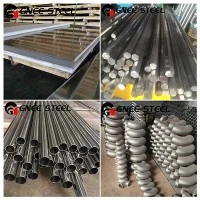


Pure nickel
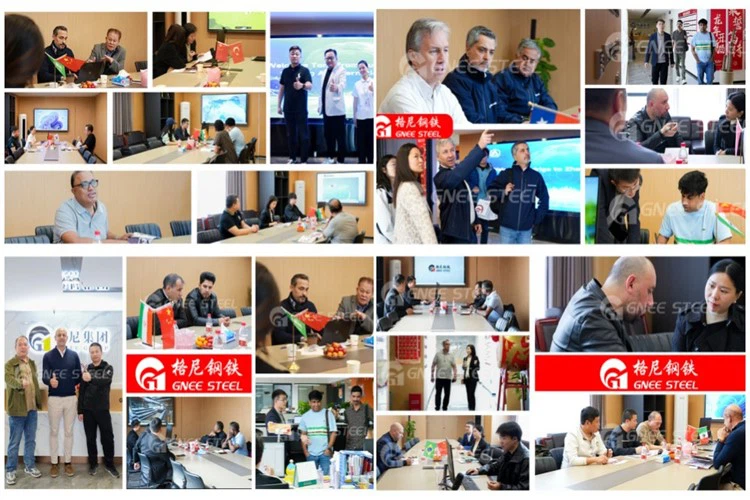
Henan Gnee New Material Co., Ltd. is an integrated supply chain enterprise encompassing steel plates, steel coils, profiles, outdoor landscape design, and processing. Our products include: superalloys, Inconel alloys, Inconel alloys, Monel alloys, duplex stainless steel, Hastelloy alloys, titanium alloys, copper alloys, aluminum alloys, stainless steel pipes, stainless steel plates, stainless steel coils, stainless steel fittings, and stainless steel bars.
Why Choose Us?
Rich Experience
GNEE Alloy has long‑term practical experience in special‑metal export and material technical support for industrial projects. Our team is familiar with ASTM, ASME and related international material specifications.
One-Stop Solution
GNEE Alloy delivers one‑stop supply‑chain service for pure‑nickel products, covering technical consultation, custom processing, inspection and export documentation support.
Broad Market
Our pure‑nickel materials serve industrial customers across Europe, Asia, Australia and other global regions for chemical, metallurgical, electronic and marine projects.
Reliable Lead Time
We coordinate stable raw‑material sources and standardized processing workflows to support reasonable production cycles and reliable shipment schedules for both standard and non‑standard pure‑nickel sizes.


Pure nickel (commercially wrought nickel) contains nickel ≥99.0 wt%, represented by Nickel 200 (UNS N02200) and low-carbon Nickel 201 (UNS N02201). It is not superalloy. Pure nickel excels in caustic alkali corrosion resistance and performs stably in reducing and neutral salt environments. It owns great ductility, formability, weldability plus high electrical and thermal conductivity. Nickel 200 suits service below 315°C, while Nickel 201 avoids graphitization embrittlement for elevated temperature working conditions. We supply plate, bar, tube and forgings for chemical, electronic and marine projects.
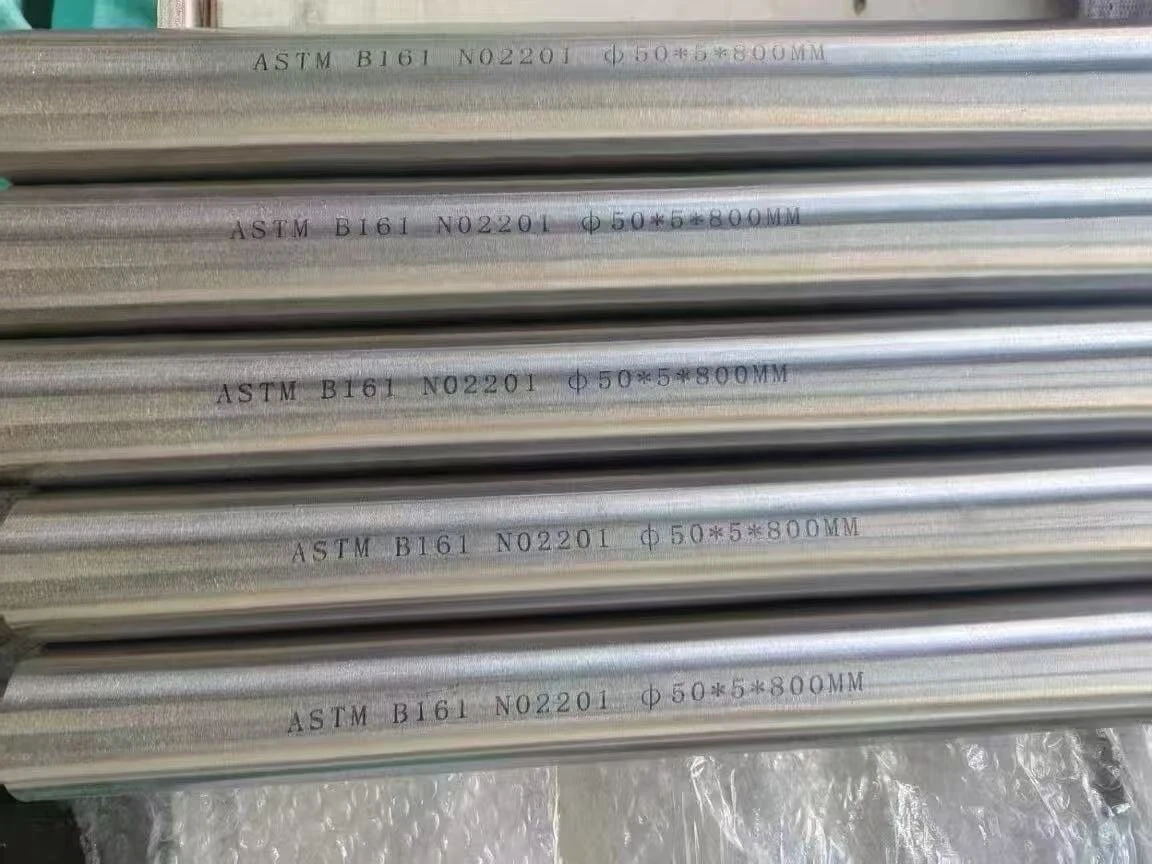
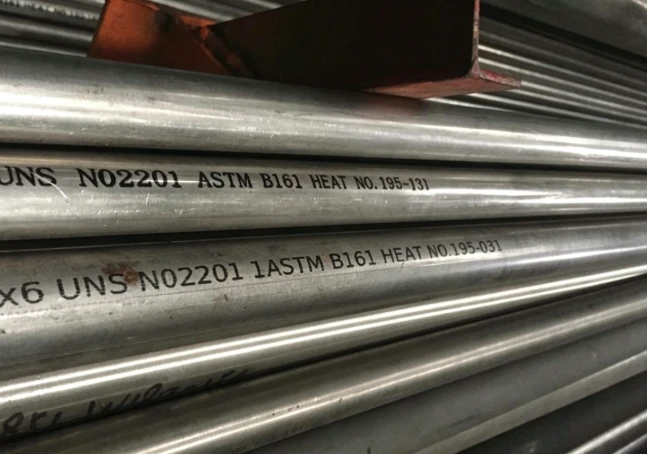
ASTM B161 Nickel 201 (UNS N02201) Precision Seamless Pipe (OD 50mm x WT 5mm x L 800mm)
Pure nickel has a set of inherent material properties that determine its applicability in industrial manufacturing. Below are its core advantages for your engineering reference.
Corrosion resistance
A protective oxide film forms on pure nickel surface. It withstands caustic alkali and dry chlorine gas. Not suitable for strong oxidizing acid media which triggers rapid material corrosion.
Heat resistance
Its melting point reaches approximately 1455°C. It maintains structural integrity and mechanical strength under high-temperature reducing and alkaline vapor working environments.
Electrical & thermal conductivity
It delivers stable electrical and thermal transfer performance. This property supports component design for electrical parts, battery terminals and heat exchange equipment.
Ductility & processability
Pure nickel features low work hardening rate. It can be fabricated into wires, strips and precision custom parts without losing inherent material toughness.
Magnetic property
Pure nickel has high magnetic permeability and magnetostriction characteristics. These properties make it qualified for specialized electromagnetic technical components.
Common Commercially Pure Nickel Grades and Classifications
| Commercial Grade | UNS | W.Nr. | Common Name | Classification |
|---|---|---|---|---|
| Nickel 200 | N02200 | 2.4066 | Ni 99.2 | Commercially Pure Nickel |
| Nickel 201 | N02201 | 2.4068 | LC-Ni 99 | Low-Carbon Commercially Pure Nickel |
| Nickel 205 | N02205 | 2.4061 | LC-Nickel 99.6 | High-Purity / Low-Carbon Nickel |
| Nickel 270 | N02270 | 2.4050 | Ni 99.8 | High-Purity Nickel |
Applications of Pure nickel
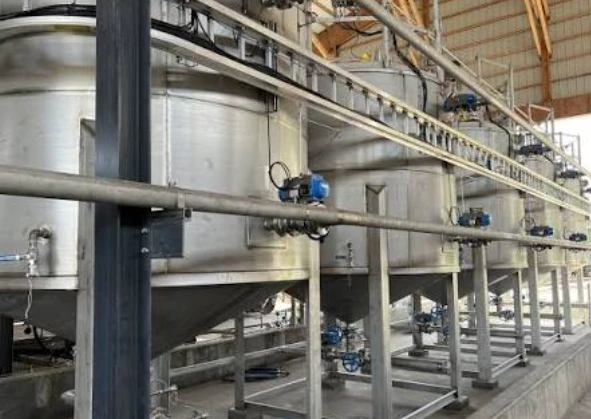
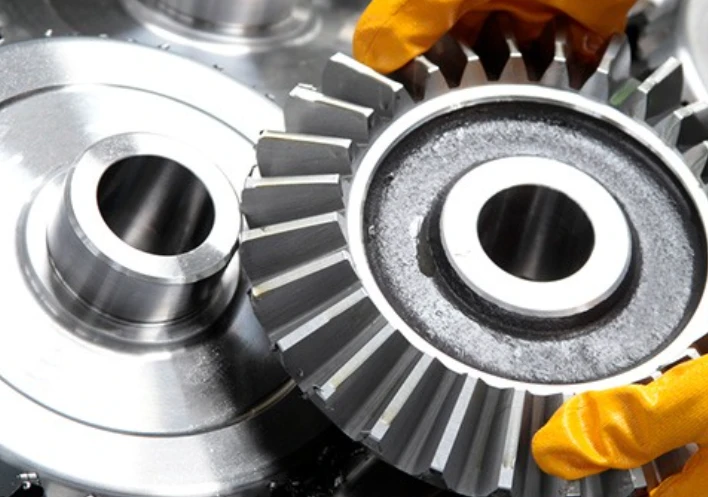
Chemical Processing Equipment
Pure nickel (>99% Ni) fabricates reactors, piping and plate heat exchangers. It withstands harsh caustic environments like caustic soda production, plus chlorine and dry fluorine gas, maintaining stable corrosion resistance under aggressive chemical service conditions.
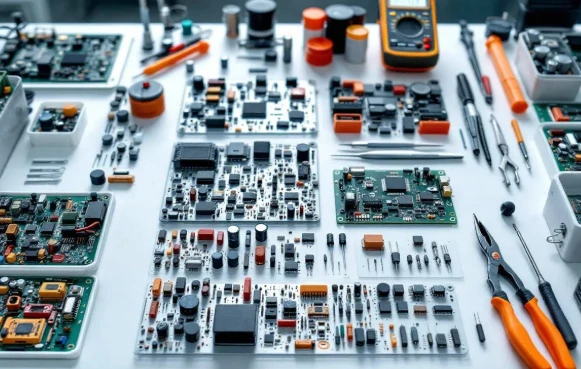
Electrical & Electronic Components
Benefiting from good conductivity and high-temperature reliability, pure nickel is widely used for battery connectors, circuit conductors and specialized vacuum tube parts. It preserves mechanical integrity and stable electrical performance under elevated operating temperatures.
Electroplating
Nickel plating deposits durable protective & decorative coatings onto steel and other metals. The nickel layer prevents substrate rusting and delivers bright, attractive surface finish, improving wear resistance and aesthetic appearance of workpieces.
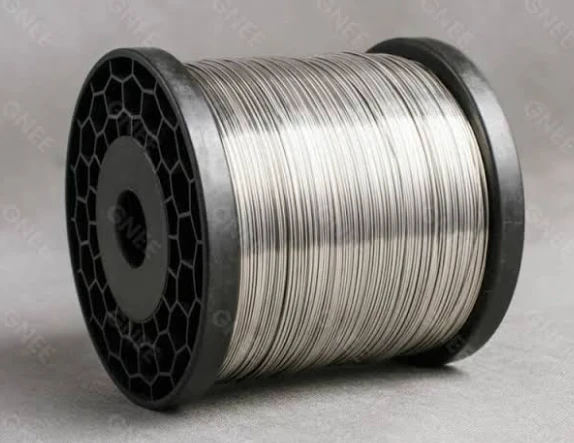
Special Wires & Heating Elements
Pure nickel is drawn into fine wires for resistors, electronic connectors and precision laboratory instruments. It provides consistent electrical resistance and reliable performance under repeated thermal cycling and precise measurement conditions.
Chemical Composition of Nickel 200, 201, 205 and 270
| Element | Nickel 200UNS N02200 | Nickel 201UNS N02201 | Nickel 205UNS N02205 | Nickel 270UNS N02270 |
|---|---|---|---|---|
| Nickel, Ni | ≥99.0 | ≥99.0 | ≥99.6 | Balance |
| Carbon, C | ≤0.15 | ≤0.02 | ≤0.05 | ≤0.02 |
| Manganese, Mn | ≤0.35 | ≤0.35 | ≤0.20 | ≤0.005 |
| Iron, Fe | ≤0.40 | ≤0.40 | ≤0.20 | ≤0.05 |
| Silicon, Si | ≤0.35 | ≤0.35 | ≤0.10 | ≤0.005 |
| Copper, Cu | ≤0.25 | ≤0.25 | ≤0.10 | ≤0.01 |
| Sulfur, S | ≤0.01 | ≤0.01 | — | ≤0.003 |
| Titanium, Ti | — | — | ≤0.05 | ≤0.005 |
| Magnesium, Mg | — | — | — | — |
Mechanical Properties of Nickel 200, 201, 205 and 270
| Property | Nickel 200UNS N02200 | Nickel 201UNS N02201 | Nickel 205UNS N02205 | Nickel 270UNS N02270 |
|---|---|---|---|---|
| Tensile Strength, Rm | ≥380 MPa | ≥345 MPa | ≈345 MPa | ≥340 MPa |
| Yield Strength, Rp0.2 | ≥105 MPa | ≥70 MPa | ≈90 MPa | ≥110 MPa |
| Elongation, A | ≥40% | ≥40% | ≈45% | ≥50% |
| Elastic Modulus | ≈204 GPa | ≈204 GPa | ≈207 GPa | ≈207 GPa |
| Hardness | ≈90–140 HB | — | — | ≤66 HRB |
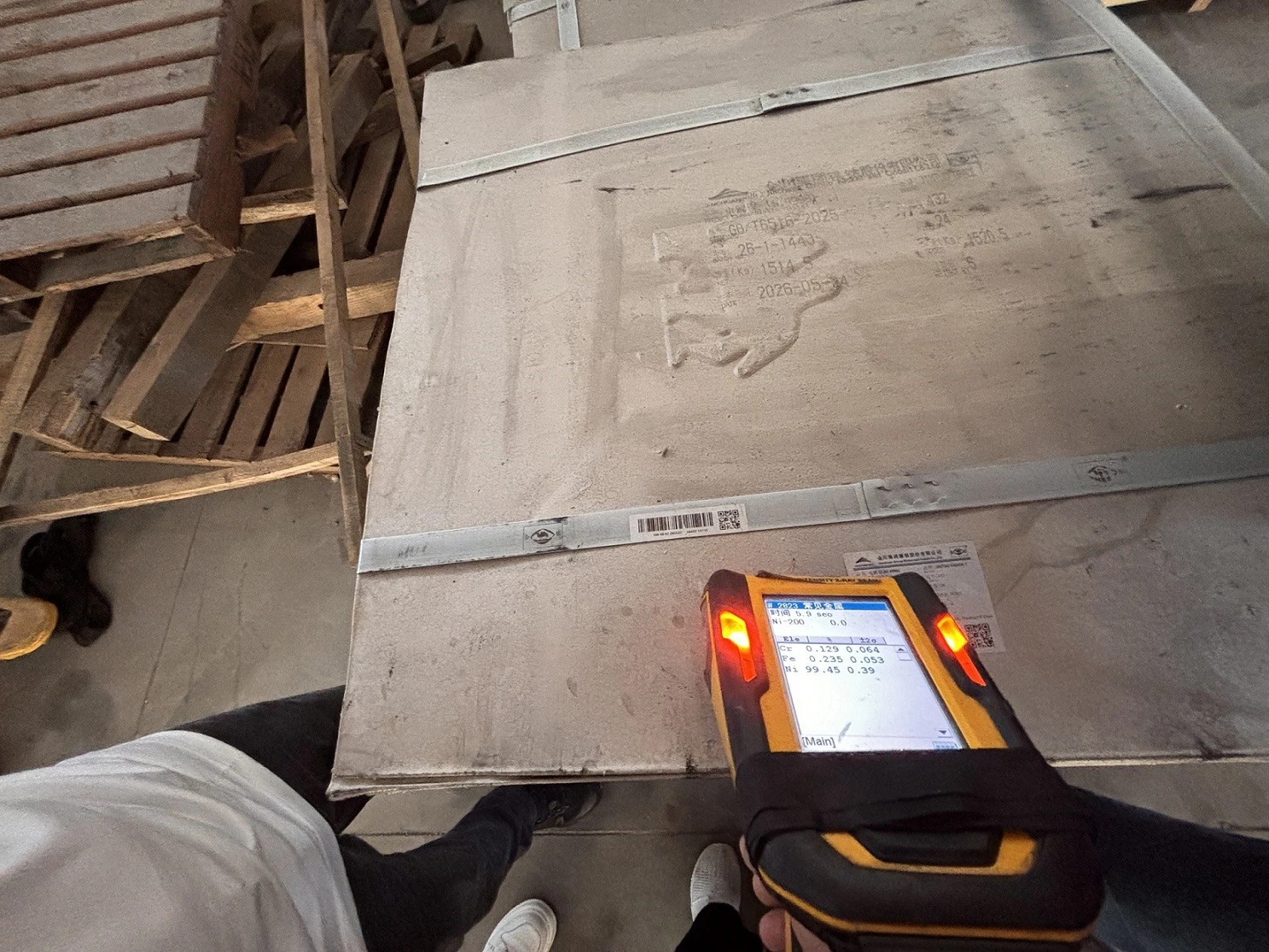
Nickel 200
Nickel 200 (UNS N02200) is a commercially pure nickel alloy containing a minimum of approximately 99% nickel. Its key advantages include good resistance to caustic alkalis, excellent thermal and electrical conductivity, and good ductility and formability. Nickel 200 also offers useful resistance to neutral and reducing environments, making it suitable for chemical processing, food processing, electrical components, and caustic soda equipment. Compared with Nickel 201, its higher carbon content makes Nickel 200 more suitable for applications where elevated-temperature carbon-related limitations are not critical.
Nickel 201
Nickel 201 (UNS N02201) is a low-carbon version of commercially pure Nickel 200, with a significantly reduced carbon content. Its main advantage is improved resistance to graphitization and embrittlement during prolonged exposure to elevated temperatures. Nickel 201 retains the good corrosion resistance, ductility, thermal conductivity, and electrical conductivity associated with commercially pure nickel. It is particularly suitable for chemical processing equipment, caustic alkali service, electrical components, and applications where both corrosion resistance and low-carbon performance are required at elevated temperatures.
Process of Pure nickel
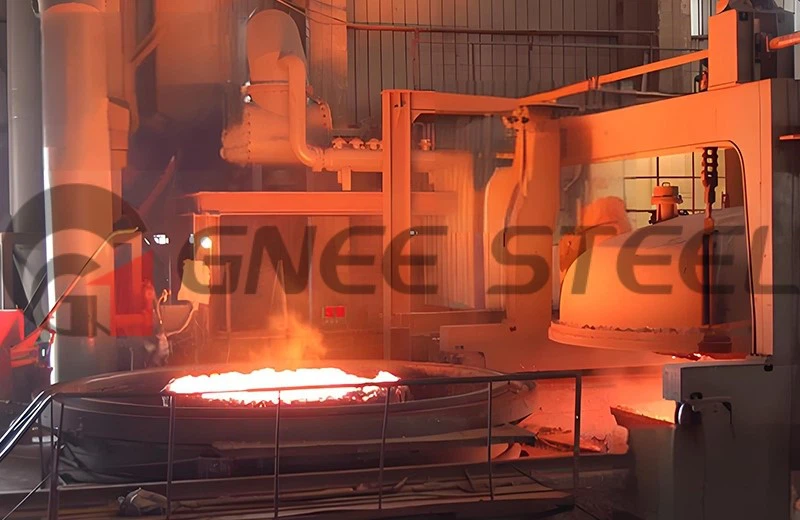
The production of pure nickel is a rigorous metallurgical process, primarily designed to secure high material purity and consistent corrosion resistance. Key steps include:
Vacuum Induction Melting (VIM): Melting nickel feedstock under vacuum conditions to eliminate gaseous impurities and precisely regulate chemical composition.
Electroslag Remelting (ESR): Refines molten nickel to reduce inclusions, minimize segregation and deliver uniform, clean metallurgical microstructure.
Hot Rolling & Cold Working: Deforms nickel ingots into plates, bars or tubes; cold working enhances strength, while subsequent annealing restores ductility for forming operations.
Surface Finishing & Heat Treatment: Controlled annealing relieves residual stress, and surface treatment removes oxides, delivering clean, smooth surfaces for corrosion service.
Through these production technologies, pure nickel retains its high purity and stable corrosion resistance, which are essential for chemical, electronic and marine critical applications.


Our Certificate
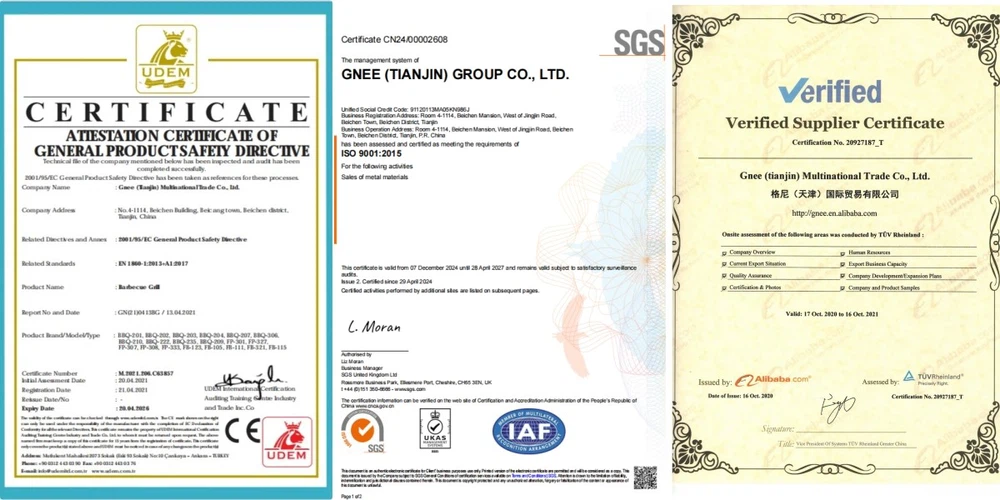
Gnee Steel's superalloy product manufacturing technology has reached the world average level, gaining recognition from dozens of project companies and becoming a leading nickel-based alloy and high-temperature alloy supplier in Asia.
The Group adheres to the principle of "one-stop service, making choices easier". Continuing to meet the different needs of global customers in the field of the world's steel supply chain. A professional sales team provides customers with first-class services. A rigorous procurement and quality inspection team selects high-quality raw materials. A shipping and logistics team that ensures the protection of product transportation.

Contact Us
Frequently Asked Questions
Q:What is pure nickel? A: Pure nickel refers to nickel materials with a nickel content of minimum 99.0%. It is a non-alloyed metallic material featuring outstanding corrosion resistance, ductility, electrical conductivity and thermal stability.
Q:What are the main grades of pure nickel? A: The common commercial grades include N02200 (Ni 200) and N02201 (Ni 201). Ni 200 is general-purpose pure nickel, while Ni 201 features low carbon content for high-temperature service.
Q:What are pure nickel’s key properties? A: Pure nickel provides excellent resistance to caustic alkalis and reducing media. It retains good ductility at both cryogenic and elevated temperatures, alongside stable electrical conductivity and great weldability.
Q:What are the main applications of pure nickel? A: Pure nickel is widely used for chemical processing equipment, electronic components, battery parts, electroplating base material, and heating wires, especially for alkaline corrosion environments.
Q:What alloying elements are present in pure nickel? A: Pure nickel contains nickel as the dominant constituent (>99 wt%), with only trace impurities such as iron, copper, carbon and manganese. No intentional alloying elements are added.
Q:What is the difference between pure nickel and nickel-based superalloys? A: Pure nickel is unalloyed and prioritizes corrosion resistance, especially against caustic media. Nickel-based superalloys add Cr, Al, Ti and other elements to achieve high-temperature creep strength for turbine service.
Q:Is Ni200 pure nickel? A: Ni200 (UNS N02200) is standard commercial pure nickel with minimum 99.0% nickel. It offers good ductility and corrosion resistance for room and moderate temperature working conditions.
Q:Is Ni201 pure nickel? A: Ni201 (UNS N02201) is low-carbon pure nickel. Its reduced carbon content minimizes graphite precipitation and intergranular corrosion when exposed to temperatures above 315°C.
Q:Can pure nickel resist corrosion? A: Pure nickel delivers exceptional corrosion resistance, particularly in caustic alkali environments. It also performs well against dry fluorine, chlorine and many non-oxidizing corrosive media.
Q:Is pure nickel suitable for high temperature use? A: Pure nickel can be used at moderate high temperatures. It maintains oxidation resistance but lacks the creep strength of superalloys, so it is not recommended for heavy-load high-temperature structural components.
Q:Can pure nickel be welded and formed? A: Yes. Pure nickel has excellent ductility. It can be cold stamped, deep drawn and welded with standard processes. Stress relief annealing is recommended after heavy forming operations.
Q:What are common product forms of pure nickel? A: Pure nickel is supplied as round bars, plates, sheets, seamless tubes, wires and foils. These semi-finished forms cover requirements for chemical, battery and electronic manufacturing.