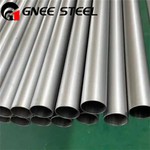
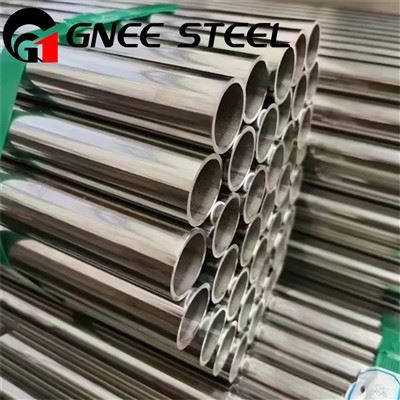
Definition of Incoloy Alloy


Incoloy Tube is a Ni-Cr alloy that has superior ability to maintain a stable structure during prolonged exposure to high temperatures. It is a chrome-iron- nickel alloy that contains titanium, copper, molybdenum. It possesses a high resistance to various types of corrosion in aggressive environment (crevice corrosion,corrosion cracking, intercrystalline corrosion). Alloy does not lose a mechanical resistance even at critical heating.


What are Advantages of Incoloy Alloy?


Enhance Performance
If you utilize this alloy matrial on the manufacturing process, then you might able to promote your business to the next level. It gives valuables solution to the investors of the product. The Incoloy Pipes & Tubes allow you to increase the performance of manufacturing applications. It is a better way to develop applications by using various compositions. Besides,it helps to reduce the manufacturing cost of your applications. It solves various kinds of issues that occurred in the manufacturing process. It allows you to use in the petrochemical industry with no hassle.


Use the Quality of the Product
You might these kinds of Incoloy Pipes & Tubes at an best price with standard specifications.All materials meet specifications like ASTM, ASME, and others. It supplies with premium quality to clients. It will be approved under the material test.Each and every product might overcome corrosion, pressure, and temperature. Manufacturers are a focus on to offer the quality of service to clients. It makes you utilize pipes and tubes on your required size to your industry.It also offers a beneficial solution for you. In the manufacturing, you can use superior quality of components to withstand on the temperature.


High Temperature
It contains corrosion and oxidation resistance that suits to the tremendous platform. It has high-temperature strength. Incoloy pipes and tubes are designed for a unique solution on precipitation or strengthening process.When you heat it then incoloy pipes and tubes forms stable,thick and passivating oxide layer to protect the surface from any attack. It allows you to create numerous applications in the industry. It has acapacity to resist low temperature on the corrosion environments.


Reusable
Mostly, Incoloy Pipes & Tubes are accessed to reducing and oxidizing surface. It produces an extreme level of corrosion. It also used as reusable in many industries. Manufacturers of the alloy are serving it worldwide.It assists to balance alloy on intergranular corrosion. It exists in several specifications, size and thickness that allows people to choose the perfect size that suits their field. It has effective chemical properties to access on the moderate temperature. If you are searching to buy Incoloy Pipes & Tubes at a best price,then you must have to contact an expert to order products at your affordable budget.


What are Features of Incoloy Alloy?
 
01/

Corrosion Resistance
Incoloy alloys are renowned for their excellent resistance to corrosion. They can withstand a wide range of corrosive environments, including acids, alkalis, seawater, and various chemical solutions. This property makes Incoloy alloys suitable for applications in chemical processing, offshore and marine environments, and other corrosive settings.

02/

High-Temperature Strength
Incoloy alloys possess impressive strength and stability at elevated temperatures. They maintain their mechanical properties and structural integrity even under extreme heat conditions, making them ideal for use in high-temperature environments such as gas turbines, furnace components, and heat exchangers. This Incoloy water heater element is one of the major reasons why the material itself is so popular.

03/

Oxidation Resistance
Incoloy alloys exhibit exceptional resistance to oxidation, preventing the formation of oxide scales on the surface at high temperatures. This resistance helps maintain the alloys’ performance and extends their service life in oxidizing atmospheres.

04/

Weldability and Formability
Incoloy alloys generally exhibit good weldability, allowing for ease of fabrication and joining. They can be readily formed into various shapes, including sheets, bars, pipes, and wires, enabling flexibility in manufacturing processes.

05/

Resistance to Creep and Fatigue
Incoloy alloys display resistance to creep, which is the deformation that occurs under prolonged exposure to high temperatures. They also exhibit resistance to fatigue, with the ability to withstand cyclic loading and stress over long periods without failure.

06/

Electrical Conductivity
Incoloy alloys possess good electrical conductivity, making them suitable for applications that require electrical conductivity along with other desirable properties.


Common Types of Incoloy Alloy
Incoloy 800800H800HT

Incoloy 800/800H/800HT

Incoloy 800 alloys are known for their excellent resistance to oxidation, carburization, and sulfidation at high temperatures. Incoloy 800H and 800HT are variations with enhanced properties, such as improved creep and rupture strength.

incoloy plate

Incoloy 925

Incoloy 925 is a precipitation-hardenable alloy with excellent corrosion resistance. It finds applications in the oil and gas industry, particularly for downhole and surface equipment exposed to sour (hydrogen sulfide-containing) environments.
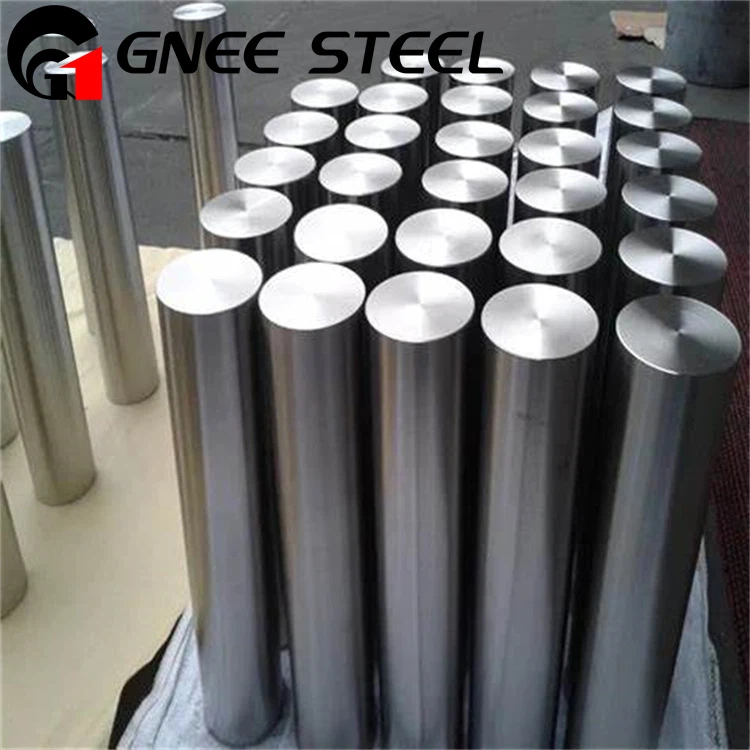
incoloy Round Bar

Incoloy 330

Incoloy 330 is known for its high-temperature strength and resistance to thermal fatigue. It is used in industrial heating applications, including heat treating and furnace fixtures.

incoloy Pipe Fitting

Incoloy 020 (Alloy 20)

Incoloy 020, also known as Alloy 20, is highly resistant to corrosion, especially in sulfuric acid environments. It is commonly used in applications like chemical processing, food processing, and pharmaceuticals.


Applications of Incoloy Alloy
 

Power generation
Several ways are available for power generation, like hydropower, thermal power, gas power, and nuclear power. Other power generation technologies, in addition to hydropower, demanded high-temperature materials. Nuclear power is one of the most extensively used superalloy power generation techniques.
There is a highly dangerous environment in addition to the extremely high temperature within the nuclear reactor. As a result, nickel alloys play an indispensable role in the design of nuclear reactors.


Automotive
With the advancement of the vehicle industry, Incoloy alloys are increasingly being used to enhance the efficiency of automobiles. Superalloys are now commonly utilized in automobile components such as turbochargers, exhaust valves, exhaust gas cleaner fasteners, ignition pre-chambers, and nozzles.


Chemical processing
Mostly, chemical reactions are carried out in metal containers in chemical processing industries. Various chemical reactions, of course, require various temperatures. Nickel alloys, especially Incoloy, can resist the corrosion of many chemical agents and have excellent mechanical properties at both low and high temperatures. As a result, it is the most widely utilized substance in the chemical industry.


Aerospace
Incoloy alloys are most commonly utilized in the aerospace industry. It is not easy to ensure that various components in aircraft engines can function normally at different temperatures and in different circumstances. Nickel-based alloys, such as Incoloy alloys, are currently the best materials for high-temperature applications due to their superior corrosion resistance and mechanical qualities.


Components of Incoloy Alloy


Nickel (Ni)
As we said earlier, the primary element in any Incoloy material is Nickel. In some Incoloy metal alloys, you could find it constituting up to 65% of the entire Incoloy steel. Thanks to Nickel, Incoloy is able to achieve high levels of high-temperature strength, corrosion resistance, and optimal mechanical properties.


Chromium (Cr)
Next to Nickel, Chromium is probably the material you find in an Incoloy composition. Generally, Chromium is added to Incoloy alloys to enhance their resistance to oxidation and corrosion. The element provides a protective oxide layer on the surface, helping to optimize corrosion resistance and provide a more resolute frame.


Iron (Fe)
Iron is another popular element that’s used to make Incoloy. In most cases, it is present in small to medium amounts. Thanks to the Iron content, Incoloy is able to optimize strength and several of its material and mechanical properties.


Molybdenum (Mo)
While it might not be the most popular, Molybdenum is often included in Incoloy alloys to enhance their corrosion resistance. The downside, however, is that Molybdenum isn’t the most common element to find around. So, due to its content, the Incoloy price tends to rise even more. Nevertheless, the addition of this material helps Incoloy to thrive in environments where reducing acids and chlorides are present.


How to Clean a Incoloy Alloy?


Remove Surface Contaminants with Solvents
The first step in cleaning your Incoloy is to remove any surface contaminants such as oils, greases, or other residues using a solvent such as mineral spirits or acetone. Start by wiping down the surface with a clean cloth soaked in the solvent of your choice. If there are any stubborn stains, use an old toothbrush or soft-bristled brush to scrub them away lightly. Be sure to wear gloves when handling solvents and use them only in well-ventilated areas.


Clean Your Component With Soap & Water
Once you’ve removed all surface contaminants, it’s time to give your Incoloy component a thorough cleaning with soap and water. Fill a bucket or sink with warm water and add a mild detergent. Dip your component into the soapy water and use a sponge or soft-bristled brush to scrub away any dirt or grime that may have built up over time. Once the component is clean, rinse it with cold running water until all traces of soap residue have been removed.


Polish Your Component for Shine & Luster
To make your component look new again, it’s important to give it a good polish before putting it back into service. The best way to do this is by using an automotive polishing compound designed explicitly for metals like Incoloy. Apply the compound evenly across the component’s surface using circular motions. Then, let it sit for 5-10 minutes before buffing off with a clean microfiber cloth until the desired shine has been achieved.


Our Certificate


Its stainless steel pipe production technology has reached the world's average technical level. It has been recognized by dozens of project companies and has become a star enterprise in Asia.


productcate-1-1


Our Service


The Group adheres to the principle of "one-stop service, making choices easier". Continuing to meet the different needs of global customers in the field of the world's steel supply chain. A professional sales team provides customers with first-class services. A rigorous procurement and quality inspection team selects high-quality raw materials. A shipping and logistics team that ensures the protection of product transportation.


Contact Us
write to us
Email: ss@gneesteel.com
visiting us
Address: No.4-1114, Beichen Building, Beicang Town, Beichen District, Tianjin, China
Fax
Fax:+86-372-5055135
Contact directly
Phone: +86 15824687445
TEL: +86-372-5055135


Frequently Asked Questions


Q: What is Incoloy 900 Pipes & Tubes?

A: Incoloy 900 Pipes & Tubes are an alloy made from nickel, chromium & iron for superior strength and corrosion resistance. These pipes & tubes are commonly used in industrial applications due to their excellent thermal shock resistance that allows them to withstand extreme temperatures and pressures.
Incoloy 900 pipes and tubes are an important part of many industrial applications. Incoloy 900 is a nickel-iron-chromium alloy that provides excellent resistance to oxidation and carburization. It also has excellent mechanical properties and good formability. The alloy contains high levels of chromium to provide corrosion resistance in various environments. It also contains nickel and iron which help it resist oxidation at high temperatures. This makes incoloy 900 ideal for use in extreme heat applications such as furnace linings, combustion chambers, exhaust manifolds, heat exchangers, etc. Incoloy 925 Pipes & Tubes, Incoloy 825 Pipes & Tubes and many more grades are also available.
Incoloy 900 Pipes  come in two main types seamless pipes & tubes and welded pipes & tubes. Seamless pipes & tubes are typically used in applications where higher pressure levels require greater strength than welded pipelines can provide. Welded pipes & tubes are usually used in applications with lower pressure levels such as water lines or heating systems. Both types are available in a wide range of sizes and shapes to meet any project needs. In addition to its heat resistant properties, incoloy 900 can also be used in applications that require corrosion resistance like chemical processing plants or marine environments because of its high chromium content. 

Q: What are the Uses of Incoloy 900 Pipes?

A: Incoloy 900 Pipes are commonly used in oil refineries, petrochemical plants, power plants, automotive exhaust systems, and many more for their ability to withstand extreme temperatures and pressures and their excellent formability, weldability & ductility.

Q: What are the Advantages of Incoloy 900 Tubes?

A: Incoloy 900 tubes are highly advantageous due to their high strength, excellent resistance to corrosion, and outstanding heat resistance. They offer good weldability & formability, making them versatile in various applications, including aerospace, chemical processing, and power generation. Incoloy 900 tubes have a long service life and can withstand harsh environments, making them a durable and reliable option for various industries.

Q: What are the characteristics of Incoloy 825 pipe?

A: CORROSION RESISTANCE
Alloy 825 has good corrosion resistance in many environments, including reducing and oxidizing acids, organic acids, seawater, salts, and alkalis. It is particularly resistant to sulfuric and phosphoric acids. The molybdenum addition gives Alloy 825 good resistance to chloride-induced localized corrosion, including pitting, crevice corrosion, and stress corrosion cracking. Additionally, alloy 825 has good oxidation resistance.
 
SERVICE TEMPERATURE
Alloy 825 is used at temperatures from cryogenic up to 1000°F (540°C). The use of Alloy 825 at temperatures above 1000°F (538°C) is not recommended as harmful phases can form with a negative effect on impact toughness and ductility.
 
MECHANICAL PROPERTIES
Alloy 825 can be provided in the annealed condition or strengthened through the pilger process. Alloy 825 maintains useful mechanical properties up to about 1000°F (538°C) and good toughness down to cryogenic temperatures.
 
HEAT TREATMENT
Alloy 825 cannot be strengthened by heat treatment. For elevated temperature applications or where the product is to be welded, a stabilization anneal around 1725°F (940°C) is recommended. At this temperature, the carbon is tied up as titanium carbides. This prevents precipitation of chromium carbides at the grain boundaries (i.e., sensitization) from occurring in service or during welding. For optimum toughness and ductility, a higher temperature anneal may be performed.
 
WORKABILITY
Alloy 825 is friendly to both hot working and cold working.

Q: What are the applications of 903 825 Incoloy Alloy Pipe?

A: Due to these remarkable properties mentioned above, Incoloy 825 is used in a wide range of industries and applications, including:
Chemical Processing: Incoloy 825 is a preferred material for equipment like reactors, vessels, and heat exchangers in the chemical industry, where exposure to corrosive chemicals is common.
Oil and Gas: Incoloy 825 is employed in downhole equipment, wellhead components, and pipeline systems, ensuring reliability in offshore and onshore oil and gas operations.
Marine Applications: Its resistance to seawater and brine solutions makes it valuable for marine applications, including seawater-cooled heat exchangers and condensers.
Power Generation: Incoloy 825 is used in power plants for components subjected to high temperatures and corrosive conditions, such as steam generators.
Environmental Engineering: It plays a role in pollution control equipment, particularly in applications involving acidic gases and chemicals.

Q: What are the advantages of 903 825 Incoloy Alloy Pipe?

A: Here are some key characteristics and advantages of Incoloy 825:
Corrosion Resistance: Incoloy 825 is renowned for its remarkable resistance to corrosion. It can withstand both reducing and oxidizing acids, making it an excellent choice for applications where exposure to aggressive chemicals is a concern. It is highly resistant to stress corrosion cracking and localized forms of corrosion like pitting and crevice corrosion.
High-Temperature Strength: Incoloy 825 maintains its structural integrity and mechanical properties at elevated temperatures. This attribute is crucial for applications in high-temperature processes, such as in petrochemical operations, heat exchangers, and furnace components.
Weldability: Incoloy 825 is readily weldable, allowing for ease of fabrication and the construction of complex structures and components.
Mechanical Properties: It exhibits excellent mechanical properties, including high tensile and yield strength, ensuring reliability in structural and load-bearing applications.

Q: What is the use of Incoloy pipe?

A: Heat-Treating Equipment
Utilized in heat-treating furnaces and components due to its enhanced high-temperature strength.
 
Petrochemical Processing
Ideal for use in petrochemical processing units where resistance to corrosive environments at elevated temperatures is crucial.
 
Industrial Furnaces
Employed in industrial furnace components, providing reliability and stability in high-temperature settings.
 
Power Generation
Applied in power generation facilities for its ability to withstand demanding conditions in high-temperature environments.

Q: What are the Difference Between Inconel And Incoloy Alloys?

A: These alloys are most widely used in many industries due to their excellent properties. The composition is the key difference between Inconel and Incoloy alloys.
The most significant distinction between these two superalloys is their composition. Inconel is a nickel-chrome alloy that contains more than 50% nickel.
Incoloy is a nickel-iron-chromium alloy with a nickel content of less than 50% and iron content of more than 50%. Other distinctions between these alloys include their applications and compatibility.

Q: What are the advantages of Incoloy pipe?

A: Incoloy alloys have excellent Mechanical qualities at both room and high temperatures up to about 1000°F.
These alloys show exceptional resistance to reducing and oxidizing acids.
Excellent stress-corrosion cracking resistance
Strong creep rupture strength
Various grades of Incoloy alloys show excellent resistance to various atmospheres containing sulfur.
High-temperature endurance
Incoloy alloys are also available in the following forms: pipes, tubes, sheets, bars, and flanges.

Q: What performance benefits can be achieved by quenching and tempering Incoloy 800 Pipe?

A: Improved Mechanical Properties
Quenching and tempering Incoloy 800 tube is a popular steel manufacturing process that brings enhanced performance, improved mechanical properties and greater longevity to the end product. The quench involves rapidly cooling the material using oil or water to harden it; after this is completed, the tempering process begins. During this step, the material has its hardness regulated by heat treatment at lower temperatures than those used for quenching. This creates a product that has increased strength but retains some flexibility – durable and long-lasting. The resulting Incoloy tube will have improved tensile strength, yield strength, and corrosion and oxidation resistance compared to other unquenched materials of comparable specifications.
 
Resistance to Stress Corrosion Cracking
Incoloy 800 is an iron-nickel-chromium alloy that can be heat treated to improve its properties. Quenching and tempering are treatments used to enhance its performance, with particular emphasis on stress corrosion cracking resistance. The quench-and-temper process helps increase tensile strength, yield strength, flexibility and toughness, which are the mechanical characteristics that make Incoloy 800 tubes more resistant to stress corrosion cracking. It also increases wear resistance due to a harder surface layer being created during the heat treatment process. Ultimately, quenching and tempering improve the overall performance of Incoloy 800 tubes by increasing their durability and corrosion resistance in harsh environments while maintaining their excellent formability at elevated temperatures.
 
Enhanced Weldability
Quenching and tempering Incoloy 800 Tube is a type of heat treatment process which can significantly improve the performance and weldability of the material. The quenching process involves rapidly cooling the tube to achieve increased hardness, while the tempering process involves slowly reheating it for improved strength. By hardening or softening certain components, increased resistance to wear and tear and corrosion is achieved. Quenching also helps with enhanced weldability by reducing residual stresses in welded joints, while tempering improves fatigue strength, making it less prone to failure. Ultimately, these processes help make installed products stronger, safer, longer-lasting and more cost-effective overall – making them highly desirable options for industrial applications that require top performance levels over long periods.
 
Uniformity of Properties
The quenching and tempering of the Incoloy 800 tube is a process that can significantly enhance its performance. This process involves heating the tubing to high temperatures, then rapidly cooling it in water or oil baths, which cause hardening, and then reheating the material to soften it. These advantages include greater uniformity of properties across the tube, such as improved strength, better surface finish, increased stress relief capability and enhanced corrosion resistance. Quenching and tempering open up new possibilities for applications where exceptional wear resistance and toughness are required for maximum performance.
 
Cost-effective
Quenching and tempering Incoloy 800 tubes is an excellent way to enhance performance and extend cost-effectiveness. Quenching involves subjecting the Incoloy 800 tubes to a rapid cooling process, which enhances its mechanical properties such as increased toughness, strength, hardness, wear resistance and thermal fatigue stability. On the other hand, the tempering of Incoloy 800 increases its flexibility while maintaining good impact values. In addition to improving the physical characteristics of this alloy tube, quenching and tempering also reduces the machining time required for finishing operations due to higher work hardening during processing. It also greatly improves corrosion resistance by increasing chromium levels in the alloy matrix, which helps reduce stress corrosion cracking problems associated with other tubing materials used in engineering applications.

Q: How To Choose The Right Incoloy 800 Pipe For Your Industry?

A: Know the Different Types of Incoloy 800 Pipe
Incoloy 800 pipe is available in various types, each designed for use in specific industries. There are three primary types of Incoloy 800 pipe: seamless, welded, and welded-seamless. Seamless pipe is made from a single piece of metal, while welded pipe is made by joining two pieces of metal together. The welded seamless pipe combines the two and is often the strongest and most durable type of Incoloy 800 pipe.
 
Consider Your Industry’s Needs
When choosing the right type of Incoloy 800 pipe for your industry, it’s important to consider your specific needs. For example, if you need a pipe that can withstand high temperatures, you’ll want to choose a type with good heat resistance. If you need a pipe that can withstand high pressure, you’ll want to choose a type with good pressure resistance. Considering your industry’s needs will help you narrow down your choices and find the right type of Incoloy 800 pipe for your business.
 
Temperature Rating
Incoloy 800 pipes come in various grades with different temperature ratings. Choosing a pipe that can handle the temperatures associated with your industry is essential. For instance, if you work in an industry with a maximum temperature of 900°C, then you should choose a pipe with a temperature rating of 900°C and above. Choosing a pipe with a lower temperature rating could be catastrophic, leading to pipe failure and expensive downtime.
 
Corrosion Resistance
Incoloy 800 is known for its excellent corrosion resistance. However, Incoloy 800 pipes are available in different levels of corrosion resistance. The level of corrosion resistance required depends on the environment in which the pipe will be used. If you work in an industry with a highly corrosive environment, such as the oil and gas industry, then you need a pipe with high corrosion resistance. Ensure that you choose the right grade of Incoloy 800 that meets your industry’s corrosion resistance needs.
 
Pipe Diameter and Thickness
The diameter and thickness of the Incoloy 800 pipe are essential determinants of its strength. Large-diameter pipes with thick walls tend to be stronger than small-diameter pipes. Therefore, if you are in an industry where the Incoloy 800 pipe is subjected to high pressure, you need to choose a pipe with a large diameter and thick walls to withstand the pressure.
 
Check Shipping Costs
When comparing prices from different suppliers, be sure to also compare shipping costs. Some suppliers may charge more for shipping than others, so it’s important to factor shipping costs into your overall decision.
 
Cost
The cost of Incoloy 800 pipes varies depending on factors such as grade, size, and corrosion resistance. Always compare the prices of different suppliers before making a purchase. However, it is essential to note that investing in high-quality pipes pays off in the long run by reducing downtime and maintenance costs.
 
Supplier Reputation
The supplier you choose to purchase your Incoloy 800 pipes from should have a solid reputation in the industry. Ensure you read reviews and testimonials from previous clients to understand what to expect from the supplier. A reputable supplier will not only provide you with high-quality pipes but also with excellent customer service.
 
Read Reviews
Finally, read reviews of the supplier you’re considering doing business with before purchasing. Review reviews can give valuable insights into a supplier’s quality, customer service, and more.

Q: What are the mechanical properties of Incoloy pipe?

A: Tensile Strength: Incoloy alloys have high tensile strength, which refers to the maximum stress a material can withstand before breaking under tension. The tensile strength of Incoloy alloys typically ranges from around 500 MPa (megapascals) to 900 MPa or higher, depending on the specific grade and heat treatment.
Density: The Incoloy density can vary depending on the specific grade and composition of the alloy. However, as a general range, Incoloy alloys typically have a density between 8.1 and 8.4 grams per cubic centimeter (g/cm³) or between 0.292 and 0.303 pounds per cubic inch (lb/in³). It’s important to note that the density of an Incoloy alloy can be influenced by factors such as the specific alloying elements and their concentrations. 
Yield Strength: Incoloy alloys have a yield strength, which is the stress at which permanent deformation begins to occur. The yield strength of Incoloy alloys typically ranges from approximately 200 MPa to 700 MPa or higher, depending on the grade and condition.
Elongation: Incoloy alloys generally exhibit good ductility and elongation, which is the ability of a material to stretch or deform before breaking. The elongation of Incoloy alloys typically ranges from 25% to 45% or higher, depending on the specific grade and heat treatment.
Hardness: Incoloy alloys can have varying hardness levels depending on the grade and heat treatment. They are typically characterized by high hardness values, which contribute to their resistance to wear and deformation. Hardness is measured on the Rockwell scale (HRC), and Incoloy alloys can have hardness values ranging from around 20 HRC to 45 HRC or higher.
Impact Resistance: Incoloy alloys generally possess good impact resistance, which is the ability to absorb energy without fracturing. This property allows them to withstand sudden shocks or impacts without failure.

Q: What types of Incoloy pipe are there?

A: Incoloy 800 (UNS N08800): This grade of Incoloy is an iron-nickel-chromium alloy with excellent strength and high-temperature resistance. A regular Incoloy 800 data sheet will show that the variant provides good resistance to oxidation, carburization, and nitridation in high-temperature environments. Incoloy 800 is commonly used in heat exchangers, furnace components, and petrochemical applications.
Incoloy 800H (UNS N08810): The Incoloy 800H composition shows a slight modification to the traditional version of Incoloy 800. Here, you have a material with a higher carbon content and controlled grain size. This provides optimal creep and rupture strength, even at the most extreme temperatures. Just as well, Incoloy 800H provides similar corrosion resistance to Incoloy 800 and is commonly used in applications requiring high-temperature strength and resistance to thermal cycling.
Incoloy 800HT (UNS N08811): Incoloy 800HT is another modified variation of the traditional Incoloy 800 that provides more modifications to enhance its high-temperature mechanical properties. With the Incoloy 800HT chemical composition, you also get a high level of creep strength, resistance to oxidation, and thermal stability. All in all, the material is especially popular in applications such as furnaces, gas turbines, and power generation. 
Incoloy 825 (UNS N08825): Incoloy 825 is an alloy that combines the primary base elements with Copper, Molybdenum, and Titanium. It offers exceptional corrosion resistance in various corrosive environments, including sulfuric acid, phosphoric acid, and seawater.
Incoloy 925 (UNS N09925): Incoloy 925 is a precipitation-hardenable nickel-iron-chromium alloy with additions of Copper and Molybdenum. It provides high strength, excellent corrosion resistance, and good resistance to stress corrosion cracking. Incoloy 925 is often used in applications such as downhole and surface wellhead equipment in the oil and gas industry.
Incoloy 926 (UNS N08926): Incoloy 926 is a super-austenitic stainless steel with high levels of Molybdenum, Nitrogen, and Chromium. It offers exceptional resistance to pitting, crevice corrosion, and chloride-induced stress corrosion cracking. Incoloy 926 is used in various aggressive environments, such as chemical processing, seawater applications, and offshore oil and gas production.
Incoloy 330 (UNS N08330): Thus, is a high-temperature alloy that is specially designed to offer excellent oxidation resistance and thermal stability at elevated temperatures. Incoloy 330 is widely used in applications where resistance to high-temperature corrosion and thermal cycling is required. The alloy is known for being easily fabricated, with techniques such as forming and welding being applied to its machining
Incoloy 20 (UNS N08020): Also made with a focus on the three base elements, Incoloy 20 is highly corrosion-resistant, particularly in sulfuric acid environments. You can count on it to provide resistance to several corrosive media as well.
Incoloy 840 (UNS S33400): Incoloy 840 is made primarily of about 57% Nickel, 19.5% Chromium, and trace elements of Iron, Carbon, Manganese, and more. As you would expect, it is typically used in applications where high-temperature strength, oxidation resistance, and thermal stability are required. 
Gnee Super Alloy (Tianjin) Co., Ltd. is well-known as one of the leading incoloy alloy manufacturers and suppliers in China. We warmly welcome you to buy or wholesale high quality incoloy alloy in stock here and get free sample from our factory. For price consultation, contact us.Incoloy Alloy 800, incoloy pipe steel, incoloy pipe stainless

whatsapp

Phone

E-mail

Inquiry