

Frequently Asked Questions When Buying Hastelloy Alloy C-276
This is an article about frequently asked questions that should be asked when buying Hastelloy Alloy C-276. The following is an overview of the main points of this article:
What is Hastelloy C-276 and why is it unique?
Hastelloy C-276 is a nickel-molybdenum-chromium superalloy with the addition of tungsten designed for excellent corrosion resistance in a wide range of severe environments. The high molybdenum content makes the alloy exceptionally resistant to pitting and crevice corrosion, while the chromium content provides resistance to oxidizing environments.

What standards does Hastelloy C-276 meet?
Hastelloy C-276 meets various ASTM standards including B564 (forgings), B574 (bar, wire), B575 (plate, strip), B619 (welded pipe), B622 (seamless pipe), B626 (welded pipe), B366 (fittings), B462 (forgings), and B775 (welded pipe).
What are the main applications of Hastelloy C-276?
Hastelloy C-276 has a wide range of applications in key industries such as chemical processing, petrochemicals and refining, flue gas desulfurization, pulp and paper production, industrial and municipal waste treatment, pharmaceutical and food processing equipment.
How does Hastelloy C-276 perform in corrosive environments?
Hastelloy C-276 performs well in both oxidizing and reducing environments, providing unmatched protection against pitting, stress corrosion cracking and crevice corrosion, and is particularly suitable for resisting corrosive materials such as sulfuric acid, hydrochloric acid, acetic acid and phosphoric acid.
Can Hastelloy C-276 be welded?
Yes, Hastelloy C-276 can be welded using common welding techniques including gas tungsten arc welding (GTAW/TIG), gas metal arc welding (GMAW/MIG), manual metal arc welding (SMAW) and submerged arc welding (SAW).
What should be considered when fabricating Hastelloy C-276?
While Hastelloy C-276 has good ductility and can be formed using conventional techniques, its work hardening rate must be considered. Careful planning of the sequence of operations can minimize work hardening and simplify the manufacturing process.
How does Hastelloy C-276 compare to other corrosion-resistant alloys?
Hastelloy C-276 is often compared to high-performance alloys such as Inconel 625, Monel 400, and Duplex 2205. It is superior in corrosion resistance over a wider range of environments, particularly to chlorides and oxidizing and reducing media.
What is the availability and form of Hastelloy C-276 products?
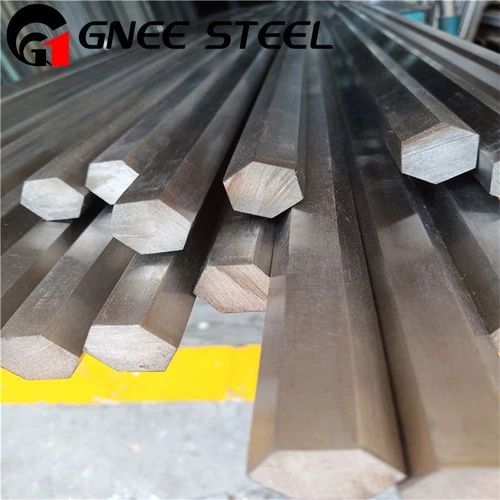
Hastelloy C-276 is available in a variety of forms such as plates, bars, wires, tubes, and fittings to suit different industrial applications.
How can you ensure the quality of Hastelloy C-276 products?
When purchasing Hastelloy C-276, it is critical to source from a reputable supplier that adheres to strict quality standards. Ensure that the product meets the relevant ASTM standards and request a Material Test Certificate (MTC) to verify the alloy's composition, mechanical properties, and specification compliance.
This article provides potential buyers with key information about Hastelloy C-276 to help them make an informed decision when purchasing. If you need more help or have specific questions, please feel free to let me know.


