

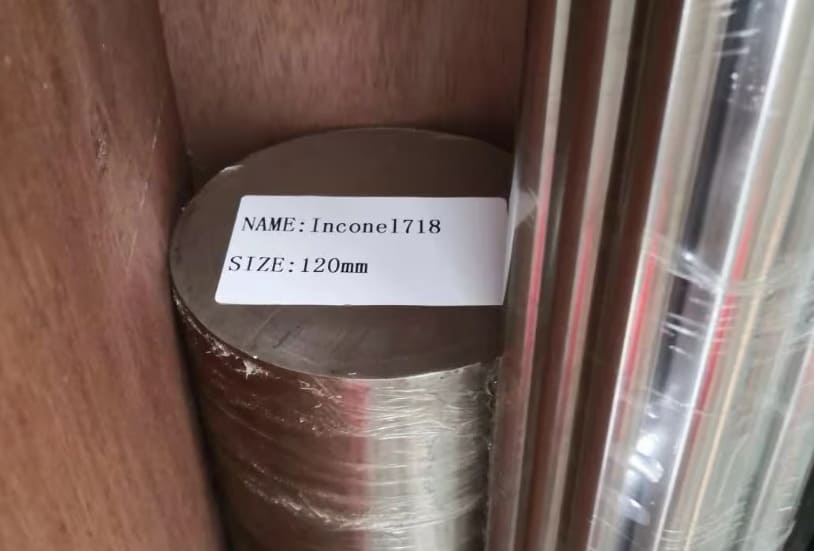
The price of Inconel® 718 (UNS N07718) alloy depends on the product form, dimensions, heat-treatment condition, applicable standard, certification requirements and order quantity. As an indicative 2026 market reference, publicly available price guides list Inconel 718 bar at approximately US$38–60/kg, plate and sheet at US$40–62/kg, and seamless tube at US$48–75/kg. Aerospace-grade material requiring specific AMS certification may cost significantly more.
There is no single price for every Inconel 718 product. A standard industrial bar, an aged bar supplied to an aerospace specification, a seamless tube and a custom forging can have substantially different costs, even when all are identified as UNS N07718. Heat treatment, testing, material traceability, certification, order size and delivery terms also affect the final quotation.
Contact us now for the latest Inconel 718 quote!

Looking for Inconel 718 at a Competitive Price?
GNEE STEEL supplies Inconel 718 (UNS N07718 / W.Nr. 2.4668) for international industrial and engineering projects. We support sourcing requirements for nickel alloy bars, plates, sheets, seamless tubes and forgings, with specifications tailored to your required dimensions, standards and delivery conditions.
Whether you need ASTM B637 bar, AMS-certified material or customized product sizes, our team can help review your technical requirements and provide a quotation based on your order details. Contact GNEE STEEL with your product form, dimensions, quantity and applicable standard to discuss current pricing and delivery options.
Inconel 718 Price by Product Form in 2026
The following table provides indicative Inconel 718 (UNS N07718) price ranges by product form, quoted in both USD/kg and CNY/kg. Actual prices depend on dimensions, manufacturing processes, heat-treatment conditions, inspection requirements, certifications and order quantities.
| Product Form | 2026 Reference Price (USD/kg) | 2026 Reference Price (CNY/kg) | Main Price Factors |
|---|---|---|---|
| Round Bar / Rod | $38–60 | ¥253–400 | Diameter, manufacturing process, heat-treatment condition and inspection requirements |
| Plate | $40–62 | ¥266–413 | Thickness, dimensions, rolling or forging process and material certification |
| Sheet / Strip | $40–62* | ¥266–413* | Thickness, dimensional tolerances, surface finish and order quantity |
| Seamless Tube | $48–75 | ¥320–499 | Outside diameter, wall thickness, manufacturing process, heat treatment and NDT requirements |
| Forgings / Forging Stock | Request a Quotation | Request a Quotation | Forging dimensions, forging ratio, heat treatment and ultrasonic testing |
| Precision-Ground Bar | Request a Quotation | Request a Quotation | Diameter tolerances, grinding allowance, straightness and surface finish |
| AMS-Certified Aerospace Material | $60–110+ | ¥400–733+ | Applicable AMS specification, melting process, heat treatment, traceability and inspection |
| Cut Pieces | Request a Quotation | Request a Quotation | Cutting losses, minimum order value, packaging and documentation costs |
The sheet and strip price range is an indicative budgeting reference, not a confirmed quotation for every thickness, production route or AMS specification.
Price Disclaimer: These figures are indicative market references, not firm supplier quotations. RMB values are converted using the stated exchange rate and rounded to the nearest yuan. Actual prices may change with raw material costs, order specifications, production conditions and exchange-rate movements. International freight, insurance, import duties and other destination charges are not included unless specifically stated.
What Factors Affect Inconel 718 Alloy Price?
How Does Chemical Composition Affect the Price of Inconel 718?
The chemical composition of Inconel 718 (UNS N07718) is a major factor affecting its price. Unlike ordinary steel, this nickel-based superalloy contains a high proportion of costly alloying elements. Nickel accounts for approximately 50.0%–55.0% of its composition, while niobium, molybdenum, chromium, titanium and aluminum contribute to its high-temperature strength and corrosion resistance. The market prices of these metals, together with strict composition control during production, directly influence the alloy's raw-material and manufacturing costs.
| Alloying Element | Composition (wt.%) | Main Function | Price Impact |
|---|---|---|---|
| Nickel (Ni) | 50.0–55.0 | Main alloy matrix; supports heat and corrosion resistance | Largest individual raw-material cost component |
| Niobium + Tantalum (Nb + Ta) | 4.75–5.50 | Contributes to precipitation hardening and high strength | Adds alloying cost |
| Molybdenum (Mo) | 2.80–3.30 | Strengthens the alloy and improves corrosion resistance | Affects raw-material cost |
| Chromium (Cr) | 17.0–21.0 | Improves oxidation and corrosion resistance | Contributes to alloying cost |
| Titanium (Ti) | 0.65–1.15 | Participates in precipitation strengthening | Requires precise composition control |
| Aluminum (Al) | 0.20–0.80 | Works with other elements to strengthen the alloy | Adds to formulation and production costs |
Nickel is the largest cost driver because it accounts for more than half of the alloy by weight. Compared with 316L stainless steel, which typically contains around 10%–14% nickel, Inconel 718 requires considerably more nickel, making its raw-material cost more sensitive to nickel price fluctuations.
Niobium, molybdenum, titanium and aluminum also contribute to the price. In particular, niobium helps form γ″ strengthening precipitates during heat treatment, giving Inconel 718 its high strength at elevated temperatures. Maintaining the correct chemical composition and processing conditions requires controlled manufacturing, adding further costs.
Therefore, Inconel 718 is expensive not simply because of its high nickel content, but because it combines multiple costly alloying elements with strict composition and manufacturing requirements.
How Do VIM and VAR Melting Increase the Cost?
You cannot melt Inconel 718 in an open-air furnace. The titanium and aluminum react with oxygen in the air. If that happens, the whole batch is ruined. So the mill uses two vacuum steps.
- VIM (Vacuum Induction Melting): the raw metals melt inside a sealed vacuum chamber. With no air, the reactive elements stay in the alloy. Vacuum furnaces use a lot of electricity and need trained operators.
- VAR (Vacuum Arc Remelting): the VIM ingot is remelted, drop by drop, with an electric arc in a vacuum. This removes trapped gas and pushes impurities out of the ingot. The result is a cleaner and more even structure, which matters for rotating parts and safety-critical parts.
Each melting step takes hours and uses a great deal of energy. Two melting steps instead of one is a major reason the Inconel 718 price per kg is high. Mills also scrap some of the ingot's top and bottom after VAR, and that lost metal is part of your price.
How Do Processing and Machining Costs Affect Inconel 718 Price?
The processing cost of Inconel 718 is another important factor affecting its final price. Unlike conventional carbon steel, Inconel 718 has high deformation resistance during hot working and tends to work-harden during machining. Forging, rolling, cutting and finishing therefore require specialized equipment, controlled processing conditions and longer production time, increasing the manufacturing cost per tonne.
Forging and Rolling Costs: Inconel 718 requires careful temperature control during hot working. If the temperature or deformation conditions are not properly controlled, defects such as cracking or undesirable grain growth may occur. Frequent reheating, heavy-duty forging equipment and strict process control all increase production time, energy consumption and tooling costs. These expenses are reflected in the price of finished bars, rings, plates and forgings.
Machining Costs: Inconel 718 becomes harder during cutting, making it more difficult to machine than many conventional steels. Lower cutting speeds, higher tool wear and the use of specialized carbide or ceramic cutting tools increase machining time and tooling expenses. Complex components such as turbine discs, fasteners and precision-machined parts may require additional operations, further raising their production costs.
For buyers, the final price depends not only on the raw material but also on the required product form and processing level. A standard hot-rolled bar, a forged round bar and a precision-machined Inconel 718 component can have significantly different prices, even when they use the same alloy grade.
How Does Heat Treatment Affect Inconel 718 Price?
The impact of heat treatment on the price of Inconel 718 lies in the fact that it is not an optional process, but a critical link that determines whether the material can be "converted" into an aerospace-grade product and under what cost structure it is delivered. It drives up or differentiates prices across three dimensions: the direct cost of the heat-treatment process itself, the differences in machining economics brought about by the delivery condition, and the certification premiums generated to meet applicable standards.

1.Process Cost: Solution + Double-Aging Takes a Long Time and Consumes High Energy
Standard aerospace-grade heat treatment requires solution quenching at 980°C, followed by a double-stage aging process of 720°C/8h + 620°C/8h, where aging alone takes over ten hours. Furnace time, energy consumption, and atmosphere costs are directly factored into the price, and the per-kilogram cost becomes even more pronounced when apportioned across small-batch orders.
2.Delivery Condition: Solution-Treated vs. Aged State, Different Pricing Logic
The solution-treated condition is softer and easier to machine, serving as the pricing baseline; the aged state is already strengthened with high hardness, requiring suppliers to run an extra thermal cycle and perform mechanical verification, which carries a small premium. However, purchasing the aged state for heavy machining will instead drive up comprehensive costs due to tool wear and processing time-buyers must weigh material costs against machining expenses.
3.Certification Premium: Heat Treatment as the Paid Threshold for Aerospace Entry
AMS 5662/5663 imposes strict requirements on temperature, time, cooling rates, and process records. Commercial grades cost approximately US$32–70/kg, while aerospace grades range from US$60–125/kg or even higher. Controlled execution of heat treatment and document traceability form a major component of this premium. Special standards (such as NACE hardness limits) add an extra US$2–5/kg.
What Industries Use Inconel 718 Nickel-Based Alloy?
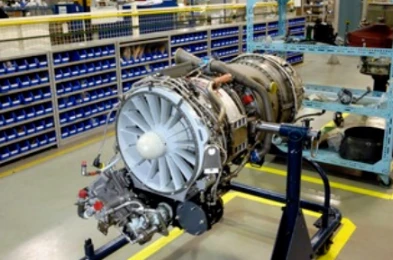
Aerospace turbine discs
Jet engine turbine discs spin at very high speed in hot gas. They hold the turbine blades and carry large pulling forces. Standard metals would creep and fail at these temperatures. Alloy 718 keeps its strength and fatigue life, so the disc stays intact.
Oil and gas downhole tools
Deep wells can contain sour gas, which includes hydrogen sulfide (H2S), along with chlorides, high pressure and high heat. A tool that cracks underground can stop a drilling program, and recovering it is expensive. Buyers in this sector usually ask for compliance with API 6ACRA and NACE MR0175 / ISO 15156 for sour service. Alloy 718 is a common choice for these parts.
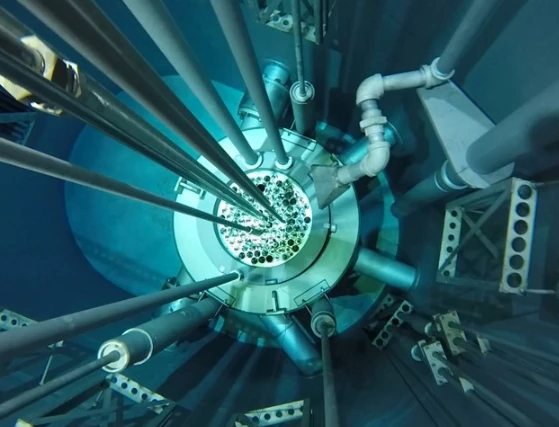
Nuclear reactor components
Springs and fasteners in reactor internals see heat, high-pressure water and radiation for years. They are hard to inspect and hard to replace. Buyers choose a material with a long record in this service.
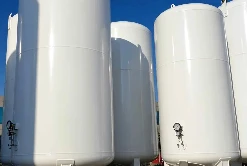
Cryogenic tank fasteners
718 is known for heat resistance, but it also stays tough at very low temperatures. Liquefied natural gas is stored at about -162°C. Many carbon steels turn brittle at that temperature. Alloy 718 keeps its impact strength.

GNEE STEEL Supplies Inconel 718 in Multiple Product Forms
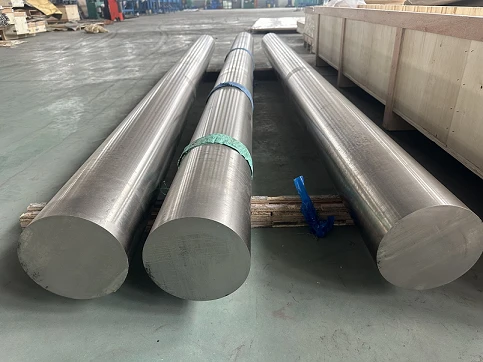
Inconel 718 Round Bar and Rod
Available for machining, fasteners, shafts and high-strength industrial components. Buyers can specify diameter, length, heat-treatment condition and surface finish.
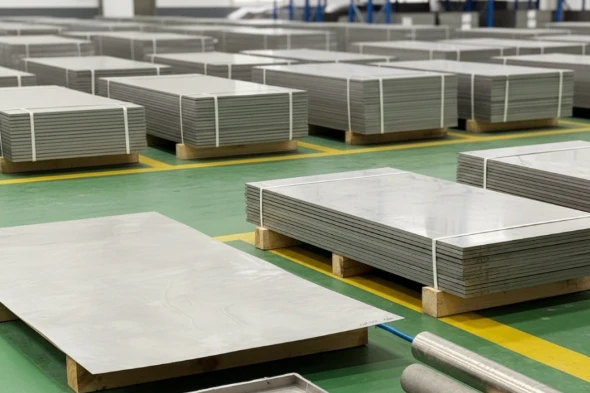
Inconel 718 Plate and Sheet
Suitable for manufacturing structural parts, equipment components and high-temperature industrial assemblies. Thickness, width, length and material specifications can be confirmed according to project drawings.
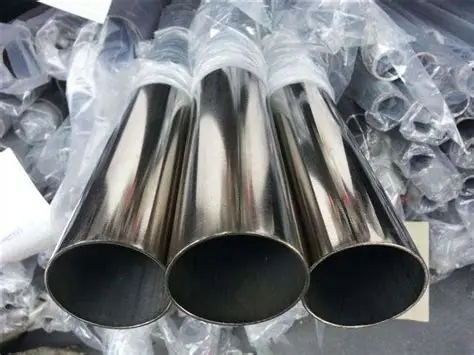
Inconel 718 Seamless Tube
Used in applications requiring high-temperature strength and resistance to demanding service environments. Specify outside diameter, wall thickness, length, applicable standard and required inspection.
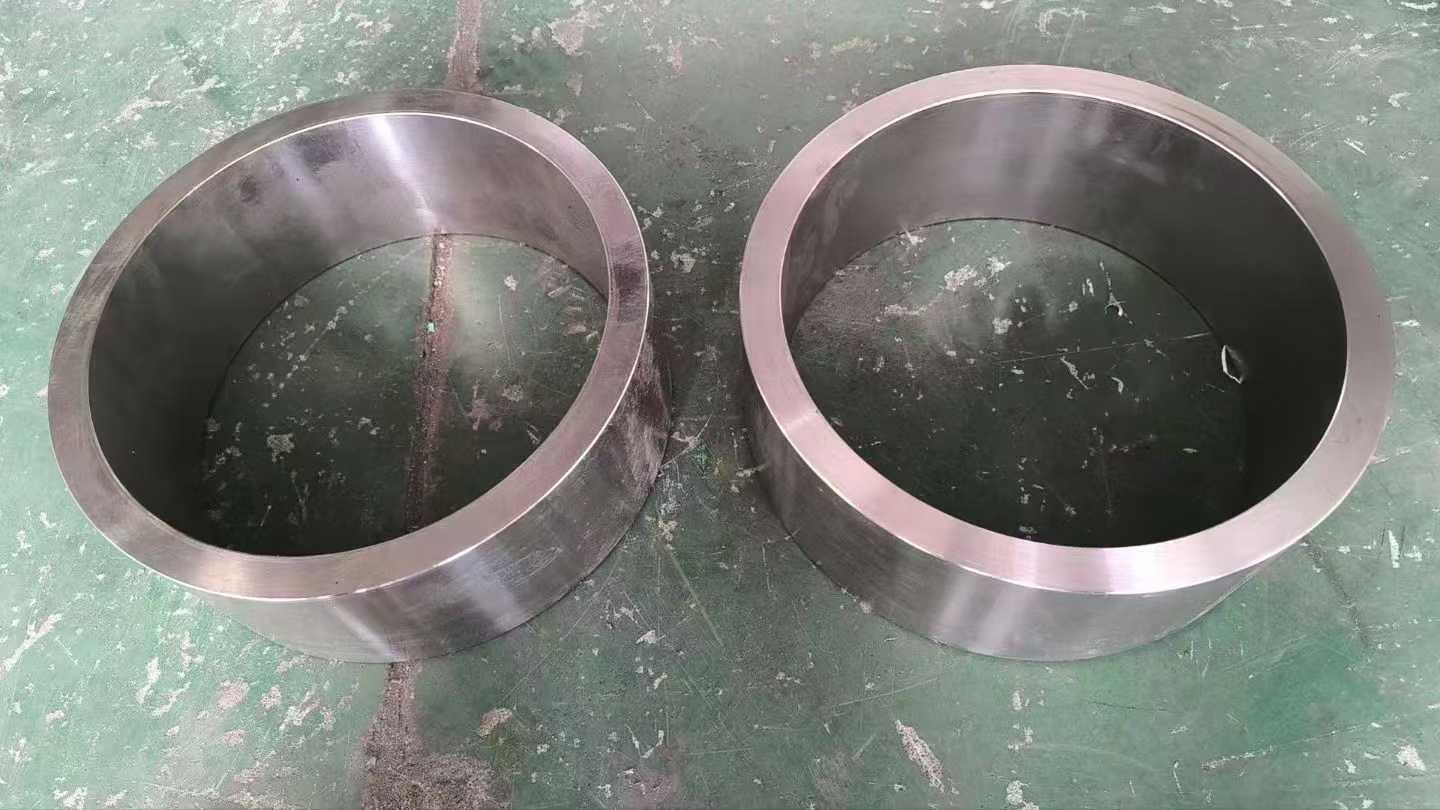
Inconel 718 Forgings
Available for applications involving heavy sections and components requiring controlled forging and heat treatment. Forging dimensions, material condition and testing requirements should be confirmed before quotation.
Different Product Forms of Inconel 718
Contact us now for the latest Inconel 718 quote!
FAQ:
Is Inconel 718 stronger than steel?
Yes, Inconel 718 is significantly stronger than standard and stainless steels at room temperature and retains its strength remarkably well at extreme high temperatures where most steels weaken or fail.
Is 718 Inconel stronger than titanium?
Yes, age-hardened Inconel 718 is generally stronger than common aerospace titanium (such as Grade 5 Ti-6Al-4V) in terms of absolute tensile and yield strength, especially at elevated temperatures.


