

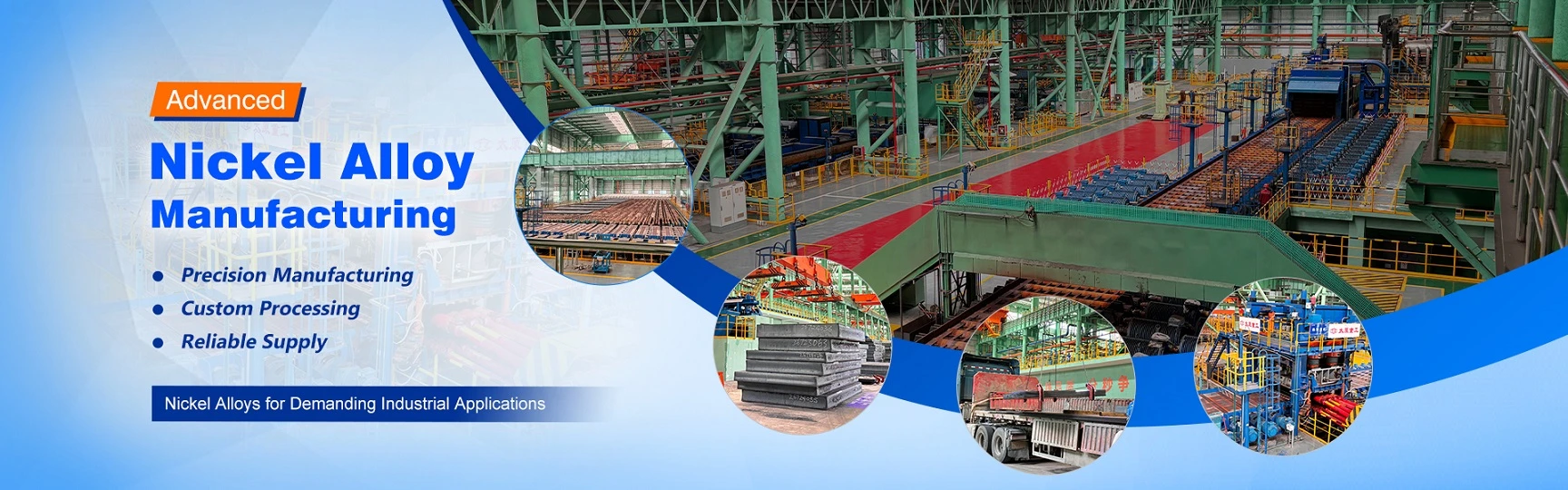
How Inconel Alloys Are Made
While the composition of Inconel alloys varies widely, they are all made with nickel and chromium as the primary elements. These specialty metals should not be confused with duplex stainless steel, austenitic stainless steel, or any other type of stainless steel alloy. Below is a brief overview of the different types of Inconel® alloys and their respective compositions.
Inconel 600
This nickel-chromium alloy is highly resistant to many corrosive elements. It will not succumb to general oxidation or stress corrosion cracking caused by chloride ions, even under extreme temperature conditions.
Inconel 601
Inconel 601 contains nickel, chromium and aluminum. The addition of aluminum gives it excellent mechanical properties, even in high-temperature environments.


Inconel 625
Inconel 625 contains nickel, chromium, molybdenum and niobium. The reaction between molybdenum and niobium causes the alloy's matrix microstructure to harden, thereby increasing its overall tensile strength. This makes this nickel-based alloy extremely resistant to corrosive elements commonly found in harsh conditions.
Inconel 690
Unlike other metal alloys in the range, Inconel 690 is made from high chromium and nickel. The use of high chromium makes this special metal alloy variant highly resistant to the corrosive conditions of aqueous environments. Its high corrosion resistance also allows it to withstand the sulfurization that occurs in high-temperature environments.
Inconel 718
The structure and response of Inconel 718 is quite different from other metals in the series. This nickel-based superalloy is made from nickel and chromium with significant amounts of molybdenum, niobium and iron. It also contains trace amounts of aluminum and titanium. The combination of these alloying elements makes Inconel 718 very strong, flexible and resistant to post-weld cracking.


