

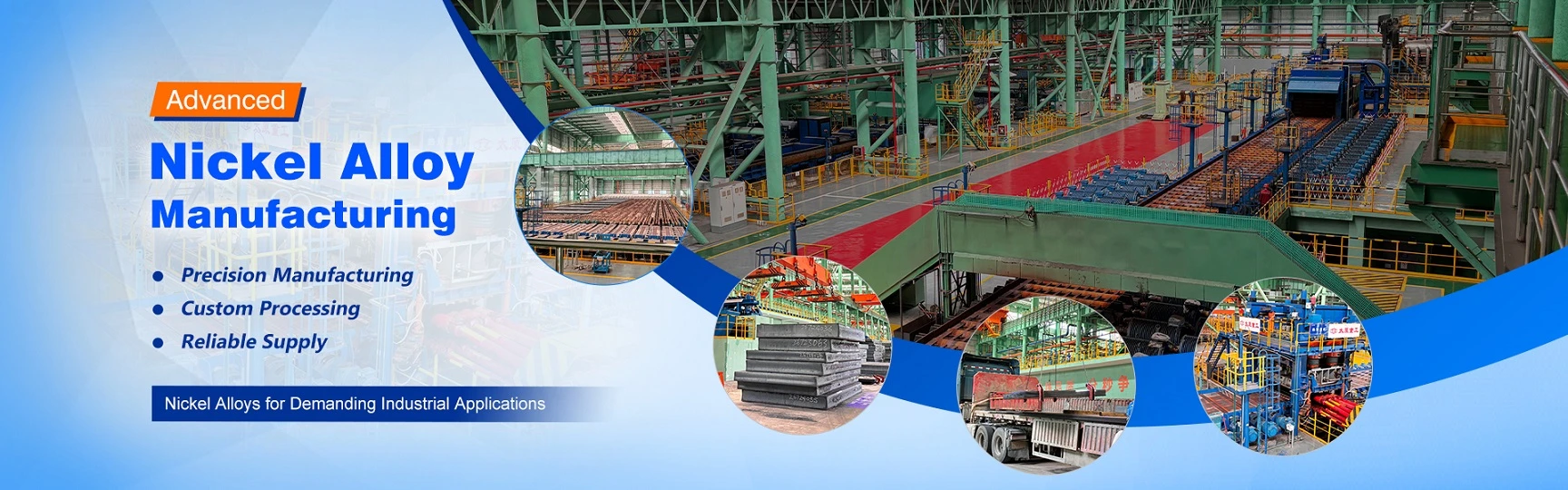
The development prospects of the non-oriented electrical steel industry are very good, because it brings more benefits to the enterprise when used, so it is favored by customers. In order to make everyone more familiar with it, we will come next Tell us about the advantages of non-oriented electrical steel? I hope it can help more people.
Nowadays, there are still many people who do not understand some basic information about non-oriented electrical steel, so as a manufacturer, it is necessary for us to briefly explain. In fact, the key to this non-oriented electrical steel is the use of secondary recrystallization. In order to achieve secondary recrystallization, it is usually necessary to add common grain growth inhibitors, such as MnS, to the mixture. The grain growth inhibitor should be dispersed in the alloy matrix in the form of doping, especially when secondary recrystallization occurs, it can effectively prevent the normal growth of the matrix crystal, and it may be necessary at the same time. It is easily removed during the final high-temperature melting process, so the magnetic properties of the product do not deteriorate. Or in secondary recrystallization, the orientation nuclei of secondary grain growth mainly rely on appropriate cold rolling process and recrystallization annealing. Since phase transformation destroys grain orientation, it is important to maintain a single phase during heat treatment. In short, non-oriented electrical steel is a type of iron-based alloy magnetic material with a silicon content of 0.5-6.5%. Since its grain structure arrangement is non-directional, you will find that its performance is basically the same in all directions. It is mainly used as a rotating motor, such as large, medium, small, and various micromotors. In addition, non-oriented electrical steel is also used in static motors that do not require high magnetic induction intensity, such as the cores of small transformers.
Non-oriented electrical steel is an element that has a beneficial or dual effect on its properties. For example, some aluminum functions similarly to silicon. Aluminum can increase strength, reduce austenite phase areas, and promote grain growth, so it has certain beneficial effects. However, the function of non-oriented electrical steel is affected by the nitrogen content in silicon steel. Aluminum and nitrogen easily form AlN precipitates, which reduces the magnetic properties of silicon steel sheets. When the grain size of the precipitated AlN is less than 0.5μm, they will fix the grain boundaries and you will see grain growth being hindered, thereby increasing iron losses. However, when the size of the precipitated AlN particles is larger than 1 μm, its pinning effect on the grain boundaries is very slight, so it has little effect on the magnetic properties of the sample. Phosphorus content can improve the magnetic properties of ferrosilicon alloys. Phosphorus forms iron phosphide at grain boundaries, which can improve the drilling performance of silicon steel. The segregation of phosphorus at grain boundaries will hinder the nucleation and growth of unfavorably oriented recrystallized grains and increase the magnetic induction intensity. At the same time, phosphorus in non-oriented electrical steel will increase the strength of silicon steel and reduce iron loss. Of course, our company's products can still meet these needs. We welcome here to establish long-term cooperative relationships with friends from all over the country. After all, it is very famous in this industry, with reasonable prices and guaranteed quality.
After the above introduction, we have a further understanding of the advantages of non-oriented electrical steel. You won't feel strange when you see it again in the future, and there won't be frequent problems during use. Well, that's all for today's content, I believe it will bring more exciting knowledge points.
Cold rolled non oriented silicon steel


