

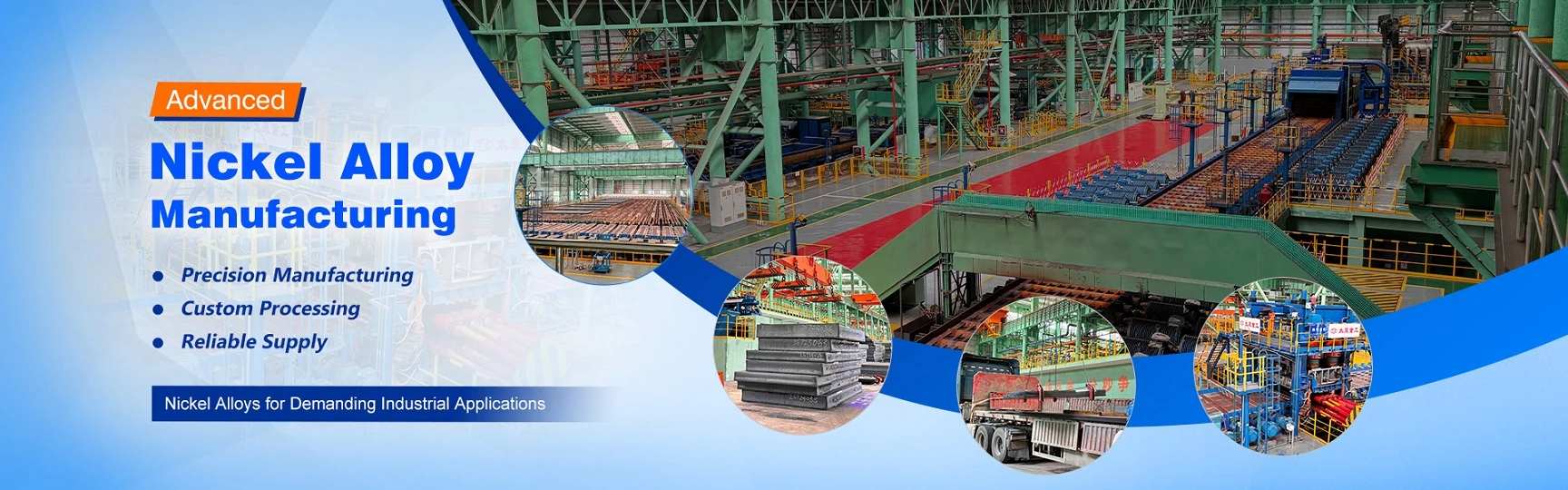
Regarding the related operations of Inconel 600 cold-rolled andInconel 600 hot-rolled alloy plates and corrosion-resistant steel plates, we can explain from multiple angles, including material selection, processing, application and maintenance. The following is a detailed explanation of these aspects:
1. Selection of Inconel 600 cold-rolled and hot-rolled alloy plates
Composition analysis: Understand the chemical composition of Inconel 600 alloy plates, including the content of major elements such as nickel, chromium, and iron, to ensure that the material meets specific corrosion resistance, high temperature resistance and mechanical property requirements.
Specification selection: Select the appropriate plate thickness, width and length according to application requirements. At the same time, pay attention to the differences in dimensional accuracy and surface quality between hot-rolled and cold-rolled plates to meet the needs of different application scenarios.
Supplier selection: Choose a reputable supplier to ensure that the source of the material is reliable, and check relevant quality certification documents, such as material certificates, certificates of conformity, etc.


2. Processing of Inconel 600 cold and hot rolled alloy plate
Cutting: According to the design requirements, use appropriate cutting tools (such as plasma cutting machine, laser cutting machine, etc.) for cutting. Ensure that no excessive heat is generated during the cutting process to avoid affecting the performance of the material.
Bending and forming: Use a mold or a bending machine to bend and form the alloy plate. During the operation, pay attention to controlling the deformation speed and temperature to avoid cracks or excessive hardening.
Welding: Use appropriate welding processes (such as TIG welding, MIG welding, etc.) for welding. Ensure that the weld quality is good and there are no defects such as cracks and slag inclusions. At the same time, pay attention to controlling the temperature and atmosphere during welding to avoid thermal cracks and oxidation.
3. Application of Inconel 600 cold and hot rolled alloy plate
Corrosion-resistant environment: Due to the excellent corrosion resistance of Inconel 600 alloy, it is suitable for various corrosive environments, such as chemical equipment, seawater treatment facilities, etc.
High temperature environment: The alloy also has excellent high temperature resistance and is suitable for applications in high temperature environments such as high temperature furnaces and heat exchangers.
Aerospace: Due to its light weight, high strength and good corrosion resistance, Inconel 600 alloy is also widely used in the aerospace field.
4. Maintenance of Inconel 600 cold and hot rolled alloy plate
Cleaning: Clean the surface of the alloy plate regularly to remove pollutants such as dust and oil. Use appropriate cleaning agents and avoid using corrosive substances such as strong acids and alkalis.
Inspection: Regularly check the surface quality and weld condition of the alloy plate to promptly detect and deal with potential defects and problems.
Protection: When used in a corrosive environment, coating, electroplating and other measures can be taken to protect the alloy plate to improve its corrosion resistance.
In summary, the selection, processing, application and maintenance of Inconel 600 cold and hot rolled alloy plates and corrosion-resistant steel plates need to strictly comply with relevant specifications and standards to ensure their performance and safety.


