


In critical applications such as aerospace turbines and industrial turbochargers, Inconel 713C (UNS N07713) is the material of choice for components subjected to extreme centrifugal stresses at high temperatures. As a leading global one-stop shop for high-temperature alloys, we not only provide the materials but also the comprehensive engineering data needed to ensure the success of your projects.
Our Inconel 713C master alloy, produced using vacuum induction melting (VIM) technology, is manufactured strictly according to AMS 5391 standards, ensuring the metallurgical properties required for high-volume precision casting.
Contact our professionals to recommend the right alloy for your project
Engineering Features of AMS 5391 Inconel 713C: Technical Data Guide
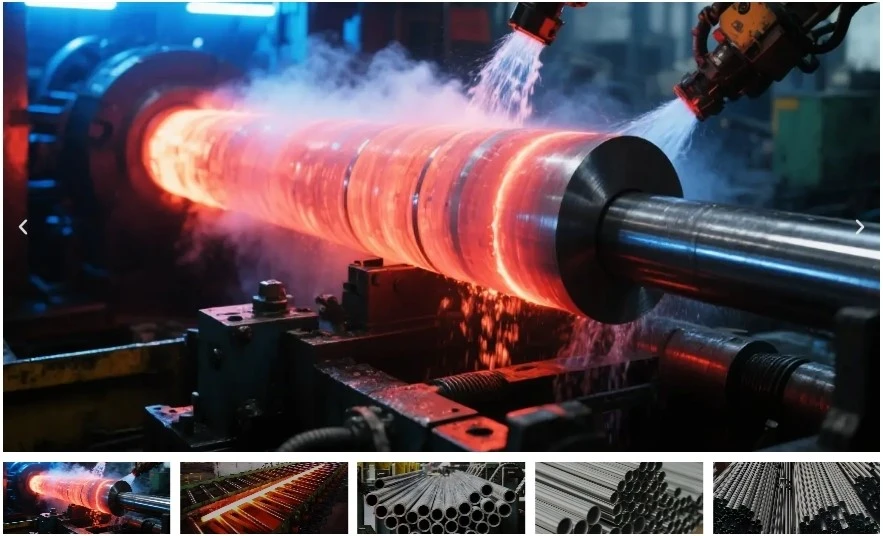
Engineering Features of AMS 5391 Inconel 713C: Technical Data Guide
AMS 5391 Inconel 713C (UNS N07713) is a precipitation-hardening nickel-chromium-based cast superalloy designed for high-temperature, high-stress applications up to 1800°F (982°C). It is considered the material of choice for components subjected to extreme thermal stress and oxidation.
What are the properties of Inconel 713C material?
Inconel 713c has a high corrosion resistance. When heated, a thick, stable oxidation layer is formed that protects the surface. The strength of the material is maintained over a wide temperature range. The metal alloy is particularly suitable for applications exposed to high temperatures up to 900°C.
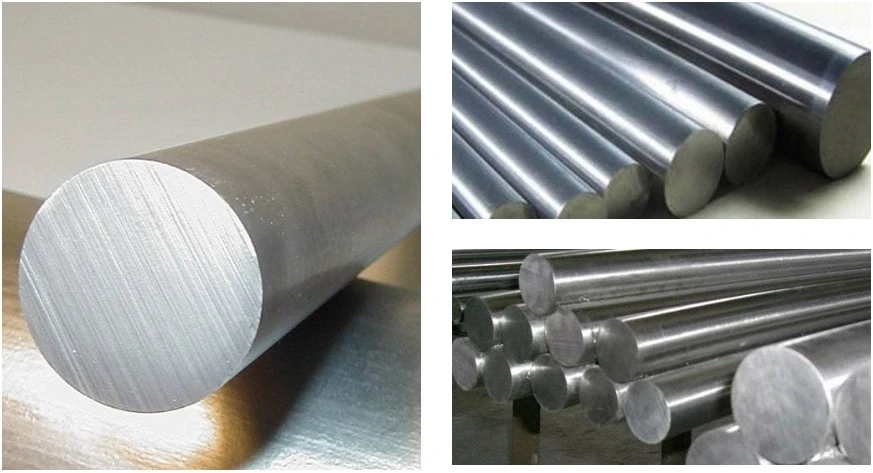
1. AMS 5391 Inconel 713C Chemical Composition
To achieve optimal performance at 1800°F, the ratio of aluminum to titanium is crucial. Our Gnee Alloy factory-supplied master alloy rods ensure zero contamination and precise element control.
| Element | Min (%) | Max (%) | Expert Insight |
| Nickel (Ni) | Balance | Balance | Base for thermal stability. |
| Chromium (Cr) | 12.00 | 14.00 | Essential for oxidation resistance. |
| Aluminum (Al) | 5.50 | 6.50 | Primary
γ′γ′ strengthening phase. |
| Molybdenum (Mo) | 4.00 | 5.00 | Solid solution strengthening. |
| Niobium (Nb) | 1.80 | 2.80 | Improves creep-rupture life. |
| Titanium (Ti) | 0.50 | 1.00 | Synergistic effect with Al. |
| Iron (Fe) | - | 2.50 | Strictly controlled for purity. |
Click to download the Inconel 713C alloy PDF file now
2. Mechanical properties of alloy 713C
The true value of Inconel 713C lies in its ability to resist deformation (creep) when other alloys soften. Below is the benchmark data for our MTC 3.1 certified material.
| Property | Room Temperature (20°C) | High Temperature (1800°F / 982°C) |
| Ultimate Tensile Strength | 860 MPa (125 ksi) | 345 MPa (50 ksi) |
| Yield Strength (0.2% Offset) | 760 MPa (110 ksi) | 275 MPa (40 ksi) |
| Elongation (%) | 5.0% | 10.0% |
Inconel 713C Stress Fracture Life
At a temperature of 1800°F (982°C) and a constant load of 152 MPa (22,000 psi), our Inconel 713C master alloy consistently exceeds industry requirements:
Minimum fracture life: 30 hours
Minimum elongation: 5%
3. Physical properties of Inconel 713C for engines
| Property | Value |
|---|---|
| Density | 7.91 g/cm³ (0.286 lb/in³) |
| Melting Range | 1260°C – 1290°C (2300°F – 2355°F) |
| Thermal Expansion (20 – 1000°C) | 16.2 μm/m·°C |
| Thermal Conductivity (at 1000°C) | 27.6 W/m·K |
Obtain 713C alloy inquiry form and wholesale price comparison table
4. Inconel 713C Manufacturing and Machining
Heat Treatment: Typically performed in the as-cast state. Optional solution treatment (1175°C/2150°F, 2 hours) followed by stabilization at 925°C/1700°F (1700°F) for 16 hours can improve stress fracture life.
Hot Isostatic Pressing (HIP): Commonly used to eliminate internal porosity.
Machinability: Extremely difficult to machine due to high work hardening. Requires carbide tools, rigid fixtures, and low feed rates.
Weldability: Generally poor. Due to its susceptibility to cracking, it is generally considered unweldable by conventional methods, but repairs can sometimes be achieved through specialized electron beam welding.
6. Typical applications of Inconel 713C alloy
Aerospace: Low-pressure turbine blades, nozzle guide vanes, and integral rotors.
Automotive: Turbine impellers ("hot end") for automotive turbochargers.
Industrial: Gas turbine components for power generation.
Dieting: High-temperature casting and forging dies.


7. Why choose our Gnee Alloy inconel 713C manufactured using the VIM melting process?
✅️Ultra-Clean Feedstock: Our VIM Melting process ensures Oxygen and Nitrogen levels are <10ppm, minimizing inclusions in your final cast parts.
✅️AMS 5391 Compliance: Full traceability from raw material to Master Alloy Stick, ensuring you pass every aerospace audit.
✅️Global Logistics Support: As a trusted nickel alloy exporter, we ship to precision foundries in over 50 countries with optimized lead times.
✅️Strategic Bulk Pricing: We offer competitive wholesale prices for annual supply contracts and large-scale energy projects.

Gnee Steel inconel 713C Certificate
📦 Packaging and Shipping
All Nickel Based Alloy products are packaged using the following methods:
Wooden pallets or crates
Moisture-proof packaging
Labels with furnace number, standard, and size labels
Shipped worldwide by sea, air, or express

Gnee Steel inconel 713C Product Packing
Contact us for the latest export price quote for 713C Alloy
FAQ
Q: Can Inconel 713C be supplied in a wrought (rolled) form?
A: No. Due to its high Al+Ti content, 713C is a cast-only alloy. It is too hard for cold rolling. We provide it as Master Alloy Sticks for vacuum investment casting.
Q: What is the main difference between 713C and 713LC?
A: 713LC (Low Carbon) is designed to improve low-temperature ductility and thermal fatigue resistance, often used in larger turbine components.
Q: Does 713C require post-cast heat treatment?
A: Most 713C components are used in the "as-cast" condition, but a stabilization heat treatment can be performed depending on your specific 1800°F service requirements.


