High Temperature Alloy

Your Leading High Temperature Alloy Supplier


GNEE Steel Group is a supply chain-integrated enterprise including steel plates, coils, profiles, outdoor landscape design, and processing. Our products include Super Alloys, Inconel Alloys, Incoloy Alloys, Monel Alloys, Duplex Stainless Steel, Hastelloy Alloys, Titanium Alloys, Copper Alloys, Aluminum Alloys, Zirconium Alloys, Tantalum Alloy, Niobium Alloy, Molybdenum Alloy, Tungsten Alloy, Stainless Steel Pipes and Tubes, Stainless Steel Plates and Sheets, Stainless Steel Coils, Stainless Steel Pipe Fittings, Stainless Steel Rods and Bars.

Why Choose Us?

Rich Experience

GNEE Steel Group was founded in 2008 and has more than 10 years of experience in manufacturing steel.


One-Stop Solution

GNEE Steel Group is a professional, one-stop supply chain enterprise for steel products, covering product research and development, sales, promotion, and providing professional services.

Broad Market

The company's products are sold to Europe, Australia, and exported to more than 70 countries around the world. It has a total of more than 800 global cooperative enterprises, which include 15 shipbuilding companies, 143 engineering project companies, and 23 boiler machinery manufacturers.

Delivery on Time

Our annual product sales volume is 1 million tons, our inventory is 200,000 tons, and our annual export volume has reached 80,000 tons, ensuring on-time delivery.


First 12345 Last 1/5
Definition of High Temperature Alloy


Alloy steel pipes are made of alloy steel. They can be seamless or welded. These pipes are used for a variety of applications. Alloy Steel Pipes are resistant to corrosion. They have low thermal expansion and maintain their shape even under high temperatures. They also have high tensile and yield strengths and are suitable for high-pressure environments.


What are Advantages of High Temperature Alloy?
 

Strength And Durability
Their incredible strength is the most significant benefit of using alloy steel pipes in oil and gas applications. Alloy steel pipes are up to five times stronger than traditional carbon pipes, making them perfect for use in high-pressure environments like those in the oil and gas industry. They also boast unmatched durability; when properly maintained, these pipes can last up to 100 years or more with minimal deterioration. This makes alloy steel seamless pipes an excellent long-term investment for any business.


Corrosion Resistance of Alloy Steel Pipes
Alloy seamless pipes are also highly resistant to corrosion from exposure to salt water or other corrosive agents. A major plus for businesses operating in the oil and gas sector. This corrosion resistance is due to chromium, nickel, molybdenum, and other materials that form a protective layer that prevents rusting or other forms of degradation over time. Because these types of pipes don’t rust as quickly as other types of metal piping materials, they require less maintenance over time, saving companies time and money.


Cost-Effectiveness
Another advantage of investing in alloy steel pipes is their overall cost-effectiveness. While they may cost more upfront than traditional carbon steel pipes, they require much less maintenance over time. This helps offset the initial investment costs. Plus, because they’re so durable, they’ll last much longer than traditional cs piping materials, so you won’t have to replace them nearly as often! That’s double savings right there!


What are Features of High Temperature Alloy?
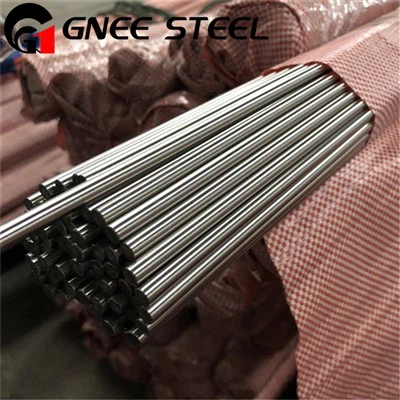
High-temperature alloy GH3030 hexagonal bar

Superior Strength

Alloy steel tubes exhibit higher strength, allowing for reduced wall thickness and weight while maintaining structural integrity.


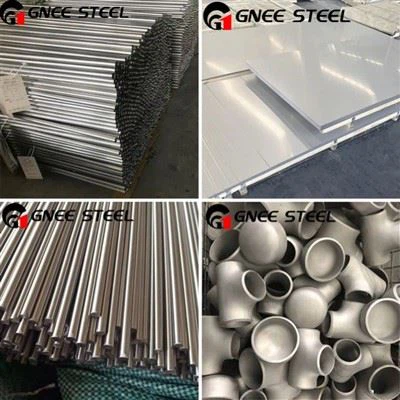
GH4049 3600 3625 High Heat Stainless Steel Pipe

Enhanced Mechanical Properties

They offer improved hardness, toughness, and wear resistance, making them suitable for demanding applications where high-stress conditions are encountered.
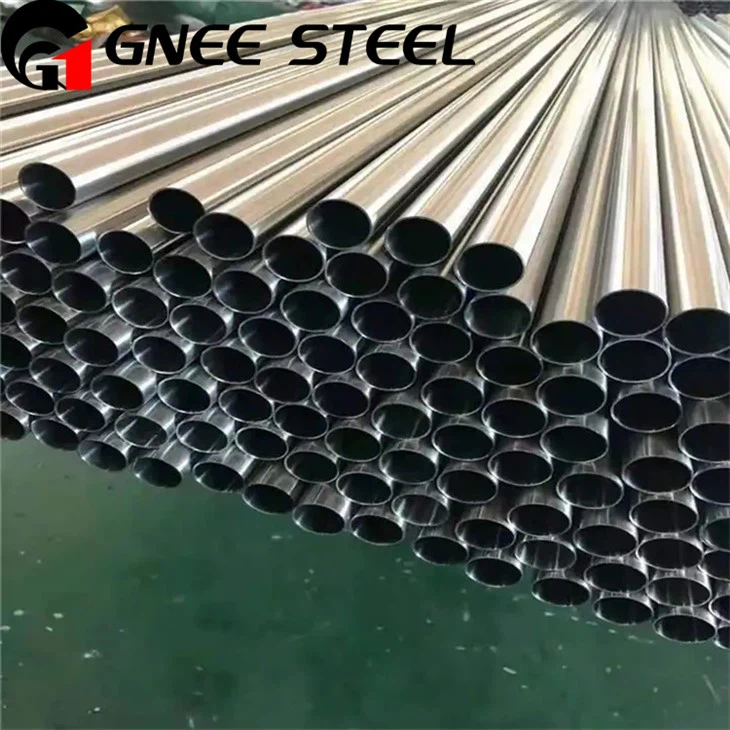
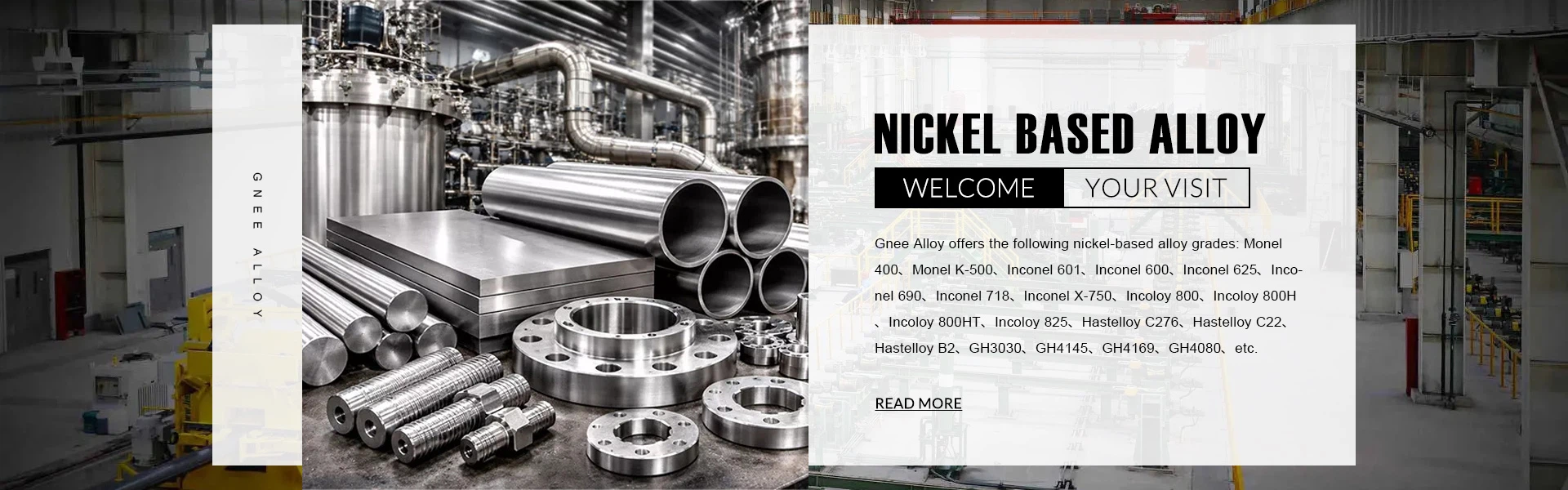
GH2132 3030 3044 High Temp Alloys Pipe

Corrosion and Heat Resistance

They can be formulated with specific alloying elements to provide enhanced corrosion resistance and withstand high-temperature environments, extending their service life.
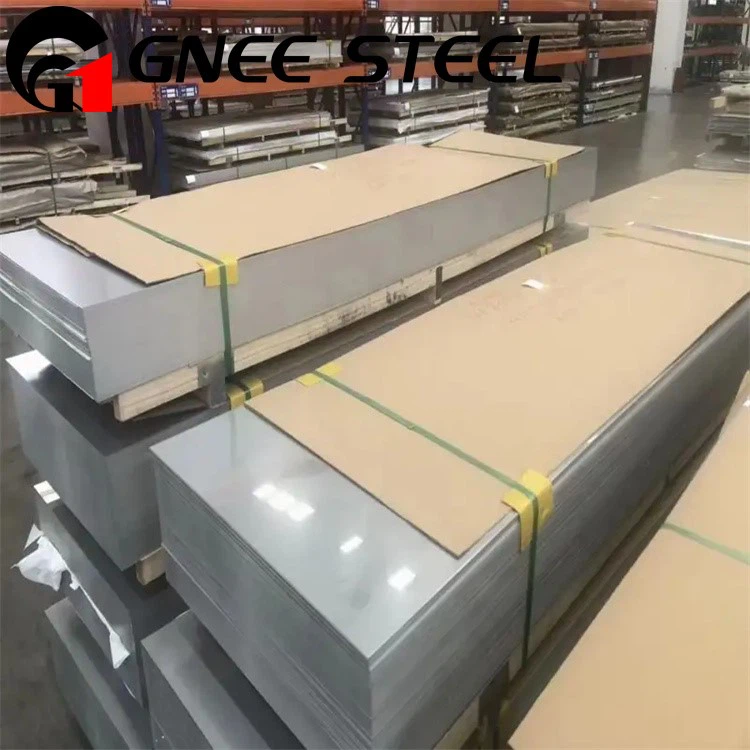
high temperature alloy plate

Specialised Properties

They can be tailored to exhibit specific properties such as magnetism, electrical conductivity, or thermal conductivity, making them suitable for diverse industrial applications.


Common Types of High Temperature Alloy
 

High-Alloy Steel

High-alloy steels are defined by a high percentage of alloying elements.The most common high-alloy steel is stainless steel,which contains at least 12 percent chromium. Stainless steel is generally split into three basic types:martensitic,ferritic,and austenitic. Martensitic steels contain the least amount of chromium,have a high hardenability, and are typically used for cutlery.Ferritic steels contain 12 to 27 percent chromium and are often used in automobiles and industrial equipment. Austenitic steels contain high levels of nickel,carbon,manganese, or nitrogen and are often used to store corrosive liquids and mining, chemical, or pharmacy equipment.

Low-Alloy Steel

Low-alloy steels have a much lower percentage of alloying elements,usually 1 to 5 percent. These steels have very different strengths and uses depending on the chosen alloy.Large diameter flanges manufacturers typically choose alloys for a specific mechanical property. The variety of potential alloys makes low-alloy steel useful for a variety of projects, including seamless rolled ring forging and studding outlet manufacturing.
While there are a lot of different alloying elements that can be used to improve the mechanical properties of steel,certain combinations are used often and there are different types of alloy steel that are more popular than others.
High strength low alloy(HSLA)steel is an alloy that provides greater atmospheric corrosion resistance and high strength.There are six different classifications of HSLA steel,with varying alloying elements used. Typically, vanadium, niobium, titanium,and copper are used to provide the increased strength, and copper, chromium, phosphorus, and silicon are used to increase corrosion
resistance.Due to the high strength of HSLA steels,they can often be harder to form,in some cases calcium or zirconium are added to improve formability. Chrome moly is another common alloy steel. This material is an alloy of chromium and molybdenum, which improves hardenability, increase strength, high temperature resistance,corrosion,and oxidation resistance.


Applications of High Temperature Alloy
 
01/

Oil and Gas Industry
Alloy steel tubes are extensively used in the oil and gas industry for applications such as pipelines, downhole equipment, and drilling tools. They offer superior strength, resistance to corrosion and wear, and high-temperature stability.

02/

Aerospace Industry
They find significant applications in the aerospace industry, where lightweight and high-strength materials are essential. They are used in aircraft structures, landing gears, and engine components.

03/

Power Generation
They are utilised in power plants for boiler tubes, heat exchangers, and superheater tubes. They can withstand high temperatures and pressures, ensuring efficient heat transfer and long-term reliability.

04/

Automotive Performance
The cold-drawn tubes, such as chromium-molybdenum steel, are used in high-performance automotive applications, including roll cages, suspension components, and driveshafts. They offer an excellent strength-to-weight ratio and improved fatigue resistance.


How Do You Maintain High Temperature Alloy?


Avoid Metal to Metal Contact
It is important to note that when you are first laying out your steel pipes, you need a strategic plan to place them in a manner where contact with other metals is minimal. Constant contact of tubes with other metals can lead to frictional damages such as scratches and dents. In addition, metal-to-metal contact may also cause corrosion. Placing your seamless pipes at a reasonable distance from each other can help prevent this.


Reduce Seamless Pipe and Steel Movement
Loosely-arranged or dangling pipes are another reason for early damage to the steel pipes. This makes them vulnerable to friction, jolt or displacement damage, especially during transportation.


Carry Out Regular Inspection
Regular inspection is an excellent way to prevent pipe damages from getting graver or irreparable. It is a common mistake of owners to skip this step and land in situations when corrosion, leaks, and breakage start to happen regularly. Faulty pipelines can lead to accidents and costly replacement of pipes, which can be prevented earlier.
To avoid such scenarios, we recommend conducting regular inspections of steel pipes. The best way to deal with leakage, corrosion, or other damages is to consult your supplier. You can also look for holes and cracks in the pipes to inform them.


Clean and Polish Steel Pipes Regularly
With watchful cleaning and polishing of seamless steel pipes, you can easily prevent the accumulation of dirt and grime in your pipes. Upon consultation with your pipe provider, you can also use specified chemicals to clean the insides of the tubes. After cleaning, do not forget to lubricate the pipes after.


Identify and Make Repairs
Even though most pipe repairs require professional help, you can easily tackle certain maintenance. If you identify minor damages early, there are some handy repairs like sealing leaks, holes and cracks with putty or specialised plumber bandages, which you can do yourself. These are surely temporary repairs but can save your pipes from long-term damage. Later, you can seek professional help to mend the pipes permanently.


Choose High-quality Steel Pipes
To get the deserving value for your money, we advise you to choose supreme quality pipes only for the best results. Consult a supplier who is an expert in the industry and can help you determine which kind of seamless steel pipe is best for your use. Know that there are certain types of tubes meant for specific applications. Therefore, it is best to consult a professional for an error-free installation.
To improve the integrity of your steel pipes, we recommend applying protective steel coatings, especially if the metal will be exposed to water or will be in contact with other metals. One highly preferable option is galvanic protection. In this process, the steel pipes are fabricated with a zinc layer to minimize the likelihood of corrosion.


The Considerations for Buying


Application Requirements Analysis
First, it needs to be clear what application the Alloy steel pipe will be used for. Different engineering projects have different requirements for pipeline materials. High temperature and high pressure, chemically corrosive environment, structural support, etc. all require seamless steel pipes with specific properties. Ensure that the performance of Alloy steel pipes meets the needs of specific applications.


Determine Pipe Size
Clearly define the dimensions of Alloy steel pipe, including outer diameter, wall thickness and length. These sizes depend on the design and layout of the piping, as well as the required flow and pressure requirements. Ensure that the pipe size selected complies with engineering design specifications to ensure pipe performance.


Material Type Selection
Select the appropriate material type based on application needs. Common steel pipe materials include carbon steel, stainless steel, alloy steel, etc. Each material has a different chemical composition and mechanical properties and is suitable for different environmental conditions.


Corrosion Resistance
If the project will be exposed to corrosive environments, such as chemical plants or seawater environments, you need to choose steel pipes with good corrosion resistance. Stainless steels and special alloy steels are often used in these applications because of their ability to resist corrosion.


High Temperature Resistance
For projects that need to work in high-temperature environments, such as refineries or boiler systems, choose seamless steel pipes with good high-temperature resistance. High-temperature alloy steels are often used in these applications because of their ability to maintain strength and stability.


Mechanical Performance Requirements
Consider the mechanical properties of the pipe, such as tensile strength, yield strength, and impact toughness. These properties are critical to the load-bearing capacity and durability of the pipeline. Ensure that the selected seamless steel pipe has the necessary mechanical properties.


Comply with Manufacturing Standards
Ensure that the selected steel pipe complies with international and industry manufacturing standards, such as ASTM, DIN, EN, API, etc. This helps ensure product quality and reliability, as standards specify various characteristics of pipes, including dimensions, chemical composition, mechanical properties, non-destructive testing methods, etc.


Cost-Benefit Balance
When choosing seamless steel pipe, there is a balance between performance and cost. Quality materials often come with a higher cost, so there needs to be a balance between performance and available budget. Choosing materials that meet performance requirements while being cost-effective is key.


Supplier Reputation
Choose a seamless steel pipe supplier with good reputation and experience to ensure the quality and timely delivery of steel pipes. The supplier's technical support and after-sales service are also very important, as they can provide valuable advice on the selection and use of seamless steel pipes.


Comply with Regulations and Safety Standards
Last but not least, make sure the steel pipe you choose complies with applicable regulations and safety standards. This helps ensure the legality and safety of the project.


Our Certificate


Its stainless steel pipe production technology has reached the world's average technical level. It has been recognized by dozens of project companies and has become a star enterprise in Asia.


productcate-1-1


Our Service


The Group adheres to the principle of "one-stop service, making choices easier". Continuing to meet the different needs of global customers in the field of the world's steel supply chain. A professional sales team provides customers with first-class services. A rigorous procurement and quality inspection team selects high-quality raw materials. A shipping and logistics team that ensures the protection of product transportation.


Contact Us
write to us
Email: ss@gneesteel.com
visiting us
Address: No.4-1114, Beichen Building, Beicang Town, Beichen District, Tianjin, China
Fax
Fax: +86-372-5055135
Contact directly
Phone: +86 15824687445
TEL: +86-372-5055135


Frequently Asked Questions


Q: What is Alloy steel tube?

A: Alloy steel pipes and tubes are a type of steel that is alloyed with various elements, such as chromium, molybdenum, manganese, nickel, and vanadium. This combination of metals creates a strong material that is ideal for use in numerous industrial applications. 
The most common type of Alloy Steel Pipe And Tubes is seamless pipe. It is made by extruding a heated block of metal through a die and then cutting it to length. Seamless pipes are used in high-pressure applications because they can withstand greater forces than other types. They also come in several wall thicknesses so that different levels of pressure can be handled.  
Welded pipes are another type of alloy steel pipe. These are made by welding together two pieces of metal along their edges. Welded pipes are often used in low-pressure applications where there isn’t as much stress on the material as there would be with a seamless pipe. They also tend to be less expensive than seamless pipes since they don’t require as much labor or processing time to manufacture them. They are made from an alloy of iron, chromium, manganese, silicon, molybdenum and tungsten which provides superior strength and resistance to corrosion compared to other types of steel.

Q: What are the uses of Alloy steel tube?

A: Alloy Steel Pipes have many uses in industry today. They are commonly used for structural support or piping systems in buildings, bridges, or other large structures where strength is important. They’re also used for carrying liquids or gases such as water, oil, natural gas, or steam through pipelines or tubing systems. In addition to these applications, alloy steel pipes and tubes can also be used for automotive components like exhaust manifolds or fuel injectors; pressure vessels like boilers or heat exchangers; and even food processing equipment like fryers or pasta machines. The higher melting point of the alloy makes it suitable for use in higher-temperature environments while still being able to remain ductile. 
Alloy Steel Tubing provide several advantages over other materials due to their unique composition. First off, they’re resistant to corrosion which makes them ideal for use in areas where chemicals may be present in the air or water supply. Moreover, their strength makes them perfect for high-pressure applications such as those found in power plants or petrochemical refineries where safety is paramount. 

Q: Why use Alloy steel tube?

A: Alloy steel pipes and tubes give an array of benefits which make them an attractive choice for many industries today – from aerospace engineering to food processing equipment. Their corrosion resistance makes them perfect for use in harsh environments while their strength allows them to handle higher pressures than other materials such as plastic piping systems could ever dream of doing.

Q: What are the different types of alloy pipes?

A: Alloy pipes are used in many industries due to their superior mechanical properties and resistance to high temperatures and corrosion. Several types of alloy pipes include low and high alloy steel pipes, alloy steel seamless and welded pipes, and square and rectangular pipes. Low alloy steel pipes contain less than 5% alloying elements, such as chromium, molybdenum, and nickel. In comparison, high alloy steel pipes contain more than 5% alloying elements, such as stainless steel and Inconel. Alloy steel seamless pipes are made from a solid round steel billet, while alloy steel welded pipes are made by welding the edges of steel plates or coils. Alloy steel square and rectangular pipes have a square or rectangular cross-section and are commonly used in structural, construction & architectural applications.

Q: What are the properties of alloy steel pipe?

A: The properties of alloy steel pipe include high strength, toughness, wear resistance, corrosion resistance, and high-temperature resistance. Alloy steel pipes also have good weldability, machinability, and formability. The specific properties of alloy steel pipes vary depending on the type and amount of alloying elements, the manufacturing process & the heat treatment used.

Q: What tests are required after Alloy steel tube is manufactured?

A: Tension Test—One tension test shall be made on a specimen for lots of not more than 50 tubes.Tension tests shall be made on specimens from two tubes for lots of more than 50 tubes 
Flattening Test—One flattening test shall be made on specimens from each end of one flnished tube, not the one used for the flaring or flanging test, from each lot
Flaring Test (Seamless Tubes)—One flaring test shall be made on specimens from each end of one finished tube, not the one used for the flattening test, from each lot 
Flange Test (Welded Tubes)—One flange test shall be made on specimens from each end of one finished tube, not the one used for the flattening test, from each lot
Hardness Test—Brinell or Rockwell hardness tests shall be made on specimens from two lubes from each lot 
Reverse Flattening Test—Welded tubes, one reverse flattening test shall be made on a specimen from each 1500 ft [460 m] of finished tubing.
Hydrostatic or Nondestructive Electric Test—Each tube shall be subjected to the hydrostatic test.

Q: What are the advantages of Alloy steel tube?

A: The alloy tube has higher hardenability, offering a superior depth of the hardened layer compared to ordinary seamless tubes. This results in reduced workpiece deformation and a lower tendency to crack.
The strength and yield of the alloy are higher, and it demonstrates good cold and hot pressure processing performance. Due to its excellent plasticity and low deformation resistance, the alloy tube is less prone to cracking after pressure processing.
Additionally, it meets the requirements of special performance, often exhibiting superior oxidation resistance, corrosion resistance, heat resistance, low-temperature resistance, wear resistance, and special electromagnetic properties to fulfill specific needs.
The alloy tube boasts precise geometric dimensions, uniform lateral wall thickness, a well-formed steel pipe shape, small barrel roundness, reliable quality, minimal internal burrs, and a smooth external surface. After heat treatment or protective atmosphere heat treatment, the steel pipe can achieve an oxygen-free surface, stable mechanical properties, and a uniform metallographic structure.
Notably, its production cost is much lower than that of similar seamless precision steel pipes. It can be used directly in some equipment or with minimal processing, thereby reducing equipment processing costs.
Utilizing alloy steel pipes for ring parts, such as rolling bearing rings and jack sets, can enhance material utilization, simplify the manufacturing process, and save materials and processing time.

Q: What are the characteristics of Alloy steel tube?

A: Strength: Alloy steel tubes are stronger than regular steel tubes, making them ideal for applications that require high strength and durability.
Corrosion resistance: Alloy steel tubes are resistant to corrosion, making them ideal for use in harsh environments.
Heat resistance: Alloy steel tubes can withstand high temperatures, making them ideal for use in high-temperature applications.
Wear resistance: Alloy steel tubes are more wear-resistant than regular steel tubes, making them ideal for use in applications where wear and tear are a concern.
Machinability: Alloy steel tubes are easier to machine than regular steel tubes, making them ideal for use in applications where precision is required.
Weldability: Alloy steel tubes are more weldable than regular steel tubes, making them easier to work with and repair.
Cost-effective: Alloy steel tubes are cost-effective compared to other materials, making them an ideal choice for applications where cost is a concern.
Versatility: Alloy steel tubes can be used in a wide range of applications, from construction to aerospace, making them a versatile material.

Q: What are the different grades of Alloy Steel Tubes?

A: ASTM A335
The ASTM A335 pipe for high-temperature operation is a smooth ferritic alloy-steel pipe. The pipe ordered in compliance with this specification is suitable for bending, flanging (vanstoning), and related shaping and fusion welding operations.
 
EN10216-2
These Seamless steel tubes are used for pressure purposes. Steel tubes, non-alloy, and alloy, with defined elevated temperature properties.
 
DIN 17175
DIN 17175 seamless boiler tubes are widely used in applications such as in petroleum, boiler industry, heat conservation, chemical fibre, chemical industry, medicine, machinery, paper, mechanical equipment, refrigeration, food, energy, water, aerospace, transportation, aviation, maritime, shipbuilding, environmental protection, and boiler heat exchanger tubes.
 
JIS G3462
They are is usually used in heat exchangers, boilers, petroleum, chemical engineering, and other power regions end up being commonly used for higher temperature resistance or corrosion capability.

Q: What are the maintenance tips for Alloy steel tube?

A: Inspection and Cleaning
Regularly inspecting and cleaning steel pipes are essential to prevent corrosion and blockages. Corrosion can weaken the pipe walls and cause leaks, while blockages can disrupt the flow of materials and cause pressure buildup. Thus, inspecting your pipes for signs of corrosion, rust, cracks, and leaks is crucial.
You can use various methods to inspect your pipes, such as visual inspection, ultrasonic testing, magnetic particle inspection, and eddy current inspection. These methods can detect flaws and defects in the pipes and help you determine the extent of damage.
Once you’ve identified any issues, you should thoroughly clean your pipes to remove debris, rust, or sediment. You can use various cleaning methods, such as mechanical, chemical, and hydro jetting. 
Mechanical cleaning involves using tools like wire brushes, scrapers, and sandblasters to remove rust and debris from the pipe walls. Chemical cleaning involves using solvents and acids to dissolve rust and other deposits. Hydro jetting involves high-pressure water to flush out debris and sediment from the pipes.
 
Coating and Protection
Coating your steel pipes can provide additional protection against corrosion and damage. This can also improve the pipe’s performance and extend its lifespan. Some standard coatings for steel pipes include epoxy, polyurethane, and zinc.
Epoxy coatings resist chemicals and abrasion and provide a smooth surface for better flow. Polyurethane coatings are durable and flexible and can withstand extreme temperatures and weather conditions. Zinc coatings, also known as galvanization, involve coating the steel with a layer of zinc to prevent corrosion.
In addition to coatings, you can protect your steel pipes from damage by installing pipe supports, hangers, and clamps. These devices can prevent the pipes from sagging, vibrating, or moving, which can cause stress and fatigue. 
Avoid exposing your lines to extreme temperatures, humidity, and corrosive substances. If your pipes are exposed to harsh environments, consider using protective coatings and covers to shield them from damage.
 
Maintenance and Repair
Regularly maintaining and repairing steel pipes are crucial to prevent failures and accidents. You should establish a maintenance schedule that includes regular inspections, cleaning, and repairs. You should also record your maintenance activities, including each check and repair’s date, type, and results.
Repairing or replacing the affected pipes immediately is essential if you notice any damage or deterioration during an inspection. Delaying repairs can cause the damage to worsen and increase the risk of failure. 
Some common repairs for steel pipes include welding, patching, and replacement. Welding involves fusing two pieces of metal to seal a leak or crack. Patching involves applying a patch or sleeve over a damaged area to reinforce it. Replacement involves removing the damaged section of the pipe and replacing it with a new one.

Q: How to clean stainless steel pipes?

A: Routine Cleaning
To carry out routine cleaning of stainless steel tubes, you can clean them with soap, mild detergent, or ammonia solutions in warm water. You can apply any of these agents with a soft cloth or nylon sponge. After this, you need to rinse and dry it with a soft cloth. It helps to remove ordinary soiling. While cleaning stainless steel, use mild non-scratching abrasive powders, and avoid using standard carbon steel brushes or steel wool. It can leave articles embedded on the surface, which can trigger rusting.
 
Solvent Cleaning
You can use organic solvents to remove stains that are fresh and have not yet oxidized or decomposed. The solvent should not contain chlorine, like acetone, methyl alcohol, and mineral spirits. You can immerse smaller articles into the solvents or use the vapor cleaning method to control the discharge of solvents. Wipe it post-cleaning.
 
For Moderate Soiling
You can use a mild abrasive cleaner for moderate soiling and light staining and use a soft cloth, nylon scouring pad, or a soft bristle brush. In the direction of the polished finish, use the material to make long, even strokes. You need to avoid using a circular rubbing action. After you clean it, you need to rinse and dry-wipe to complete the process and remove water stains.
 
For Heavier Soiling
For more intense staining and heavy soiling, you can use ammonia solution or warm/hot detergents. You can also use acidic cleaners and follow the cleaning procedures mentioned for moderate soiling.
 
Passivating Treatment
To maximize the corrosion resistance capability of stainless steel and remove surface contaminants, you can use the passivation treatment. First, you need to clean the stainless steel surface thoroughly and remove the pollutants. After this, you need to enter the metal in a passivating acid bath. Depending on the chromium content and the machinability properties of the stainless steel grade, the nature of the passivation treatment will vary.

Q: What are the precautions for Alloy steel tube?

A: The temperature of the alloy tube cannot exceed 80°C. In order to avoid excessive additional thermal stress, resulting in cracks or even peeling off the surface of the alloy tube.
The surface hardness value of the alloy tube should be selected reasonably according to the rolling conditions. For alloy tubes for temper mills with small reduction and low rolling load, alloy tubes with slightly higher surface hardness should be selected, which is conducive to ensuring the surface quality of the finished strip steel.
Improve the technical level of alloy pipe rolling operators, reduce the quality of rolling surface, prolong the grinding cycle of alloy pipe, and improve the service life of alloy pipe.
Before the alloy pipe is rolled and used, the oil, dust and rust on the surface should be wiped off, and the surface of the roll body and roll neck should be carefully checked for scratches, indentations, rust spots, cracks and other defects. Alloy tubes with surface defects are not allowed to be used on the machine.
Be very careful when installing and dismantling the alloy tube to prevent scratches or bumps on the roller surface. After the alloy tube is installed, lubricate the roll diameter, check and adjust the alloy tube to zero level.
Gnee Super Alloy (Tianjin) Co., Ltd. is well-known as one of the leading high temperature alloy manufacturers and suppliers in China. We warmly welcome you to buy or wholesale high quality high temperature alloy in stock here and get free sample from our factory. For price consultation, contact us. nickel-based, inconel seamless piping, alloy inconel tube

whatsapp

Phone

E-mail

Inquiry