

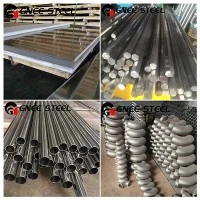
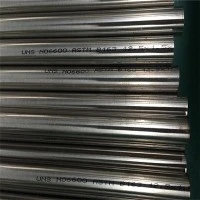


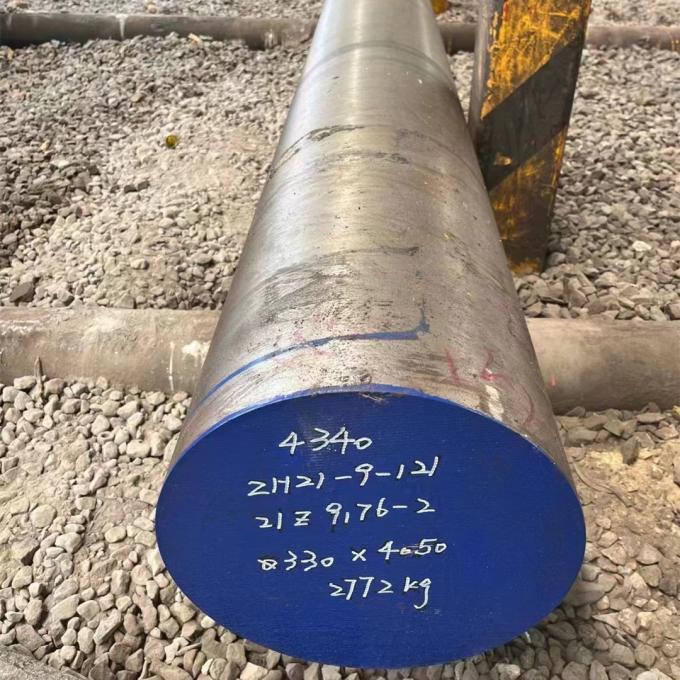
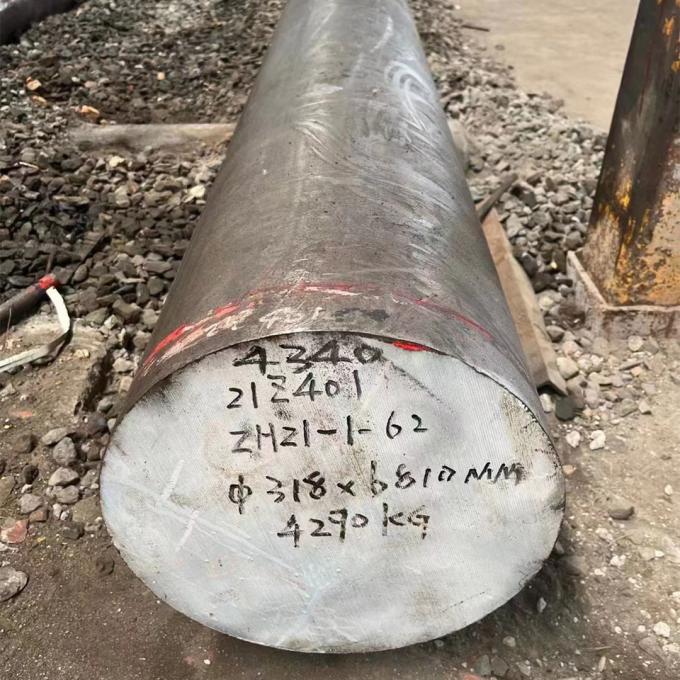
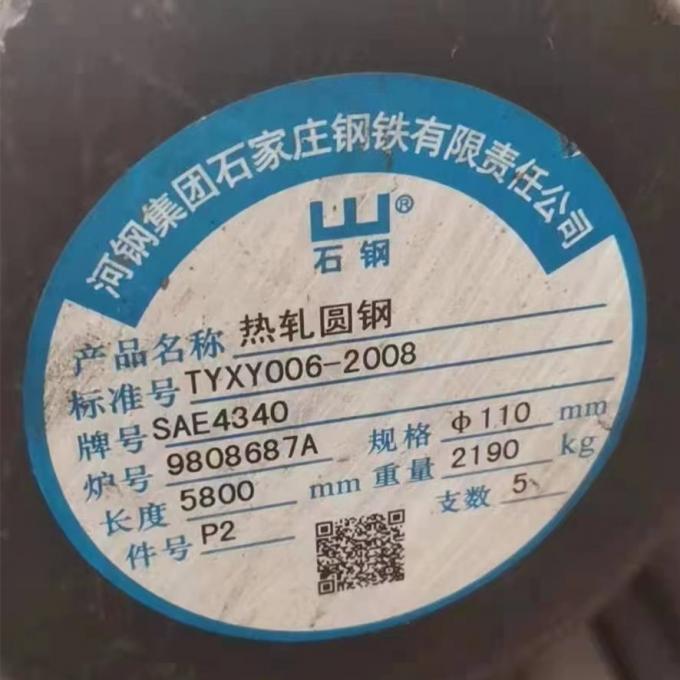
SAE4340 Steel Round Bar Hot Rolled Annealed 228HB Surface Peeled

SAE4340 Steel Round Bar Hot Rolled Annealed 228HB Surface Peeled

SAE4340 Steel Round Bar Hot Rolled Annealed 228HB Surface Peeled
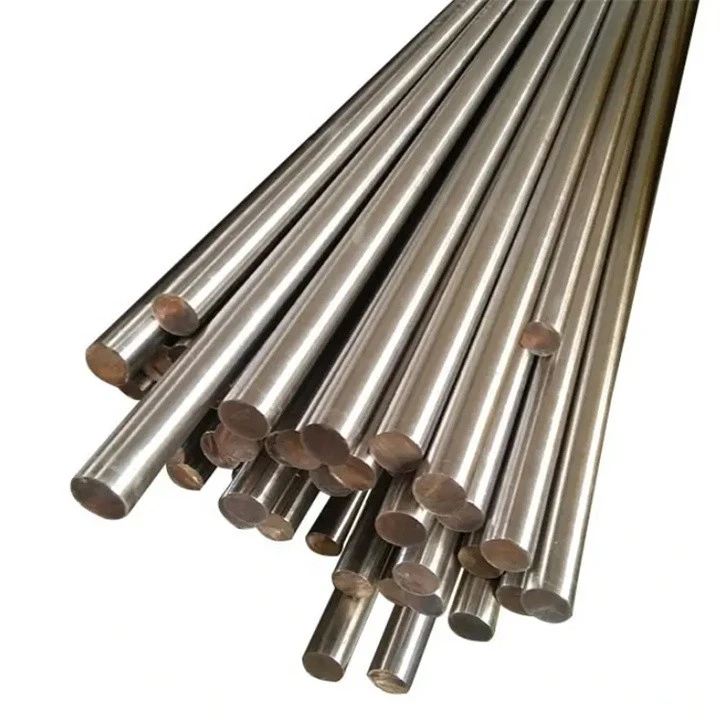
SAE4340 Steel Round Bar Hot Rolled Annealed 228HB Surface Peeled

SAE4340 Steel Round Bar Hot Rolled Annealed 228HB Surface Peeled
SAE4340 Steel Round Bar Hot Rolled Annealed 228HB Surface Peeled
As a leading supplier and manufacturer in China, GNEE Steel provides cost-effective nickel-based alloy products.
- Send E-mail: ss@gneesteel.com
Gnee Super Alloy (Tianjin) Co., Ltd. is one of the most professional manufacturers and suppliers of sae4340 steel round bar hot rolled annealed 228hb surface peeled in China. If you're going to wholesale high quality sae4340 steel round bar hot rolled annealed 228hb surface peeled made in China, welcome to get free sample from our factory. Good service and reasonable price are available.
SAE4340 Steel Round Bar Hot Rolled Annealed 228HB Surface Peeled
Description
| Steel Grade: | 4340 | Alloy Or Not: | Is Alloy |
|---|---|---|---|
| Technique: | Hot Rolled | Application: | Structural Steel Bar,Die Steel Bar,Tool Steel Bar,chemical,shipbuilding |
| Type: | Alloy Steel Bar | Standard: | ASTM,DIN,AISI,JIS |
| Special Use: | Mold Steel | Shape: | Round |
| Length: | 1--12m | Surface: | Black Or Bright |
| High Light: |
Surface Peeled Round Bar Hot Rolled,228HB Steel Round Bar,Annealed Round Bar |
||
AISI / SAE 4340 ALLOY STEEL
| CHEMICAL ANALYSIS | |
|---|---|
| C% | Carbon 0.38 – 0.43 |
| Mn% | Manganese 0.6 – 0.8 max |
| P% | Phosphorus 0.035 max |
| S% | Sulfur 0.040 max |
| Si% | Silicon 0.15 – 0.3 |
| Ni% | Nickel 1.65 – 2.0 |
| Cr% | Chromium 0.7 – 0.9 |
| Mo% | Molybdenum 0.2 – 0.3 |
GENERAL CHARACTERISTICS OF ALLOY STEEL 4340
4340 is a nickel-chromium-molybdenum alloy steel known for its toughness and its ability to attain high strengths in the heat-treated condition. It has very good fatigue resistance.
This alloy, 4340, may be heat treated to high strength levels while maintaining good toughness, wear resistance and fatigue strength levels, combined with good atmospheric corrosion resistance, and strength.
APPLICATIONS
Commercial and military aircraft, automotive systems, forged hydraulic and other machine tool applications, forged steel crankshafts.
FORGING
Forging should be carried out between 2250 and 1800 º F (1230 and 980 º C.). Parts should be slow cooled after forging in ashes or sand etc.
HEAT TREATMENT
Heat treatment after forging is carried out to render the steel suitable for machining, and to meet the mechanical property limits specified for the steel's particular applications. There are several ways to heat treat a given steel part and it is only through practice that the optimum temperature and conditions may be defined. The following information should be taken as a guide only.
ANNEALING
To obtain a pearlitic structure on certain parts for machining, 4340 should be annealed at a nominal temperature of 1525 º F (830 º C,) cooling to 1350 º F (730 º C) and furnace cooling to 1130 º F (610 º C) at a rate of 20 º F (11 º C) per hour, then air cooling. This process, known as full annealing, is very time consuming as it involves slow cooling over the entire temperature range from the austenitizing temperature to a temperature well below that at which transformation is complete.
To obtain a spheroidized structure in 4340 grade involves austenitizing at 1380 º F (750 º C,) furnace cooling to 1300 º F (705 º C) then to 1050 º F (565 º C) at a rate of 5 º F (3 º C) per hour. This structure will probably result in better machinability than will the coarse lamellar pearlite structure obtained by the full anneal process.
NORMALIZING
This process is defined as heating a steel to a temperature above the ferrite to austenite transformation temperature, then cooling in air to a temperature well below this transformation temperature. The treatment may be carried out on forged products as a conditioning treatment prior to final heat treatment. Normalizing also serves to refine the structure of forgings that might have cooled non-uniformly from their forging operation. The nominal normalizing temperature for 4340 grade is 1500 º F (815 º C,) but production experience may necessitate a temperature either 50 º F (10 º C) above or below this temperature. . As a rule of thumb, when forgings are normalized before, say, carburizing or hardening and tempering, the upper range of normalizing temperatures is used. When normalizing is the final heat treatment, the lower temperature range is used.
HARDENING
This heat treatment results in the formation of martensite after quenching, resulting in increased hardness and tensile strength. A temperature range of 1500 – 1550 º F (815 – 845 º C) is the normal austenitizing temperature for direct hardening of 4340 grade. Oil quenching is normally used for 4340 as the alloy's hardenability is suited to this quenching method.
TEMPERING
Tempering is carried out to relieve stresses from the hardening process, but primarily to obtain mechanical properties required for the final application. The actual tempering temperature will be chosen to meet the required properties, and in many cases will be a matter of trial and error.
This grade 4340 may also be hardened by nitriding or flame or induction hardening.
MACHINABILITY
This grade is readily machinable, with either a coarse lamellar pearlitic structure or a spheroidized structure being best advised, depending upon section size and complexity and amount of machining to be carried out. If there is doubt about the suitability of any other structure, then a spheroidizrd structure should be aimed for in heat treatment.
WELDING
This grade is readily welded in the annealed condition, but welding in the hardened and tempered condition should be avoided where possible because of the effect on mechanical properties. Welding in the nitrided or flame or induction hardened conditions is not recommended.
Hot Tags: sae4340 steel round bar hot rolled annealed 228hb surface peeled, China sae4340 steel round bar hot rolled annealed 228hb surface peeled suppliers, Stainless Steel 446 Round Bar, Stainless Steel 310S Round Bar, 420 Stainless H type Steel, 304 316 Steel Flat Bars With Holes, 304 304L 316 316L Stainless Round Bar
You Might Also Like


Send Inquiry