

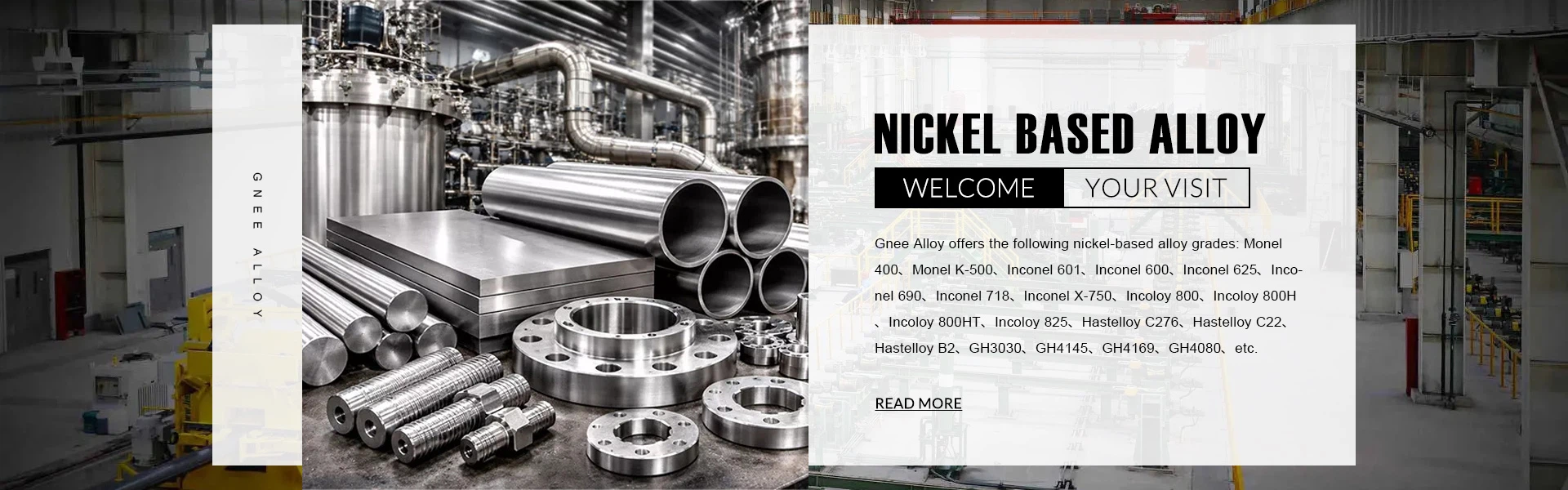
If you are looking for high-performance nickel-based alloys for extreme environments, understanding the heat treatment of Inconel 625 is critical. GNEE, as a trusted supplier with over 18 years of experience, provides Inconel 625 seamless tubing and other products with reliable performance, detailed technical support, and certified quality.
Understanding Inconel 625 and Heat Treatment
Inconel 625 is a nickel-chromium-molybdenum alloy, known for its excellent corrosion resistance, high-temperature strength, and fatigue performance. One common question from engineers and procurement professionals is:"Can Inconel 625 be heat treated to improve its properties?"
The short answer: Inconel 625 is primarily a solid solution strengthened alloy and is not typically hardenable by conventional heat treatment. Its high strength comes from the nickel-chromium matrix combined with molybdenum and niobium, which provide solid-solution and precipitation strengthening.
Key points for industrial use:
Annealing: Inconel 625 can be annealed at 1175–1200°C, followed by rapid cooling, to relieve residual stresses and improve ductility.
Avoid age-hardening heat treatment: Unlike some nickel-based alloys, Inconel 625 does not respond significantly to age-hardening. Attempting precipitation hardening may not yield higher tensile strength but could affect corrosion resistance.
Stress-relief treatment: Recommended after welding or cold working to reduce distortion and residual stress without altering corrosion resistance.

Inconel 625 Heat Treatment
| Aspect | Details |
|---|---|
| Alloy Type | Nickel-Chromium-Molybdenum-Niobium (Inconel 625, UNS N06625) |
| Hardening | Solid solution strengthened; cannot be hardened by conventional heat treatment |
| Annealing | Recommended temperature: 1175–1200°C, followed by rapid cooling to relieve residual stresses |
| Stress Relief | Necessary after welding or cold working to reduce distortion and residual stress |
| Corrosion Resistance | Proper annealing preserves pitting, crevice, and chloride stress corrosion resistance |
| Fatigue Performance | Stress relief improves low-cycle fatigue life in high-temperature applications |
Which heat treatment can improve the ductility of Inconel 625?
Annealing at 1175–1200°C followed by rapid cooling can relieve stress and improve ductility.
Does Inconel 625 require stress relief treatment after welding?
Yes, stress relief heat treatment reduces residual stress, prevents deformation, and maintains corrosion resistance.
Does heat treatment affect the corrosion resistance of Inconel 625?
Yes, improper heat treatment can reduce corrosion resistance. Controlled annealing and rapid cooling can maintain the protective oxide layer of the alloy.
Does the heat treatment of Inconel 625 require special equipment?
Yes, an industrial furnace capable of uniform heating and rapid cooling is recommended to ensure consistent performance.
GNEE offers fully certified Inconel 625 products and provides expert guidance on heat treatment, welding, and machining to help you achieve reliable and high-performance installations.
High-quality materials: Seamless tubing conforming to ASTM B444 / ASME SB444 standards
Certification and testing: EN 10204 3.1 / 3.2 material certificates provided
Custom processing: Cutting, bending, polishing, and stress relieving treatments
Professional technical support: Guidance on welding, machining, and heat treatment for optimal performance


