

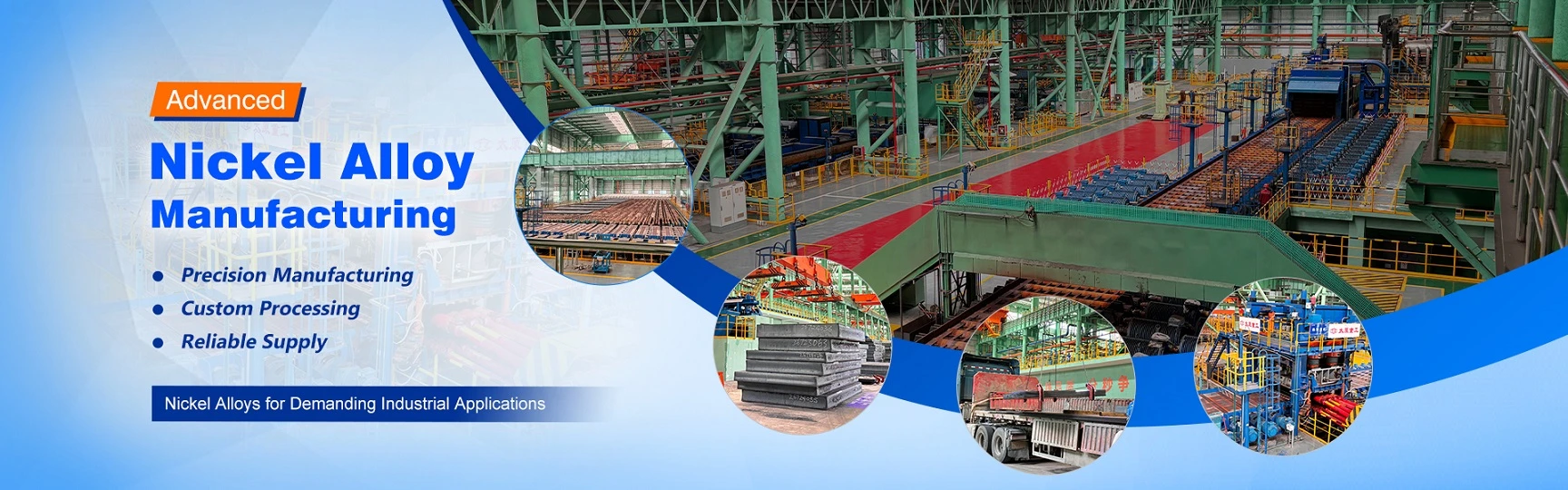
UNS N06600 seamless pipe is produced by a limited group of qualified nickel alloy mills and is distributed worldwide by specialised stockists. Selecting the right supplier means examining capability, certification and documentation rather than price alone.
Mill Supply Versus Stockist Supply
Seamless nickel alloy pipe is made by integrated mills that can hot extrude and cold finish nickel alloys, and by specialist tube producers. Stockists then cut, test and deliver smaller quantities from inventory.
Buying direct from a mill suits large, scheduled projects, while a stockist offers faster delivery, smaller quantities and cut-to-length service. Both routes should provide full traceability to the original melt.
Quality Certifications to Verify
A credible supplier holds an ISO 9001 quality management certificate covering the relevant product form, and for pressure equipment may also hold PED approval, ASME quality system certification or equivalent approvals.
Where pipe is destined for nuclear, aerospace or sour service, additional approvals and procedures apply, and these should be confirmed before the order is placed.
Testing and Inspection Capability
A capable supplier should offer or coordinate chemical analysis, tensile and hardness testing, hydrostatic testing, eddy current or ultrasonic inspection of the pipe body, and positive material identification of finished components.
Full solution annealing capability and documented heat treatment charts are essential, because inadequate annealing leaves residual stress that reduces corrosion resistance.
Traceability and Documentation
The material test certificate should be issued to EN 10204 3.1 at minimum, and 3.2 when an independent inspection body is required. It must identify the heat number, chemistry, mechanical properties and the standard to which the pipe was made.
Packaging should protect the pipe surface, and each bundle should carry a label that links back to the certificate so that the material can be traced on site.
Practical Selection Checklist
Confirm the product form and standard, the grade and condition, the size range required, the certification level, and the lead time offered. Ask for sample certificates from comparable past orders and for references in the same industry.
Be cautious of offers that cannot name the melting source, that quote an unusually short lead time for large quantities, or that provide only a certificate of conformity without test results.
Frequently Asked Questions
Q: Who actually makes UNS N06600 seamless pipe?
A limited number of qualified nickel alloy mills that can hot extrude and cold finish nickel alloys, with stockists distributing smaller quantities from inventory.
Q: What certification should a supplier hold?
An ISO 9001 certificate covering the product form, plus PED, ASME or equivalent approvals where pressure equipment is involved.
Q: Why does annealing documentation matter?
Incomplete solution annealing leaves residual stress that lowers corrosion resistance, so heat treatment records are essential evidence of correct processing.
Q: What certificate level is normal for nickel alloy pipe?
EN 10204 3.1 is the usual minimum, with 3.2 where an independent inspection body is required.
Q: What are warning signs when selecting a supplier?
An unnamed melting source, unrealistically short lead times for large orders, or a certificate of conformity with no test results are all warning signs.


