

In high-temperature industrial environments, the biggest challenge engineers face is not the high temperatures themselves, but scaling (oxidative flakes). When standard alloys operate at temperatures between 700°C and 900°C, oxygen reacts with the metal surface, forming a brittle oxide layer.
The hazards of scaling include:
* **Wall thinning:** Continuous oxidation leads to rapid metal loss, compromising the structural integrity of exhaust pipes and furnace tubes.
* **Product contamination:** Flaked oxide scale settles on workpieces (especially in the semiconductor, ceramics, or glass industries), resulting in high scrap rates.
* **Frequent downtime:** Once the pipe wall thickness exceeds safety limits, the entire system must be shut down for costly replacement.
Our oxidation-resistant GH3030 tubing, specifically designed to address this problem, effectively prevents this vicious cycle. As a Tier 1 manufacturer, our tubing forms a self-healing protective barrier, ensuring industrial-grade durability even under the most demanding conditions.
Click to inquire about and obtain a quote for antioxidant GH3030 pipes
Oxidation-resistant GH3030 high-temperature exhaust and furnace tubing
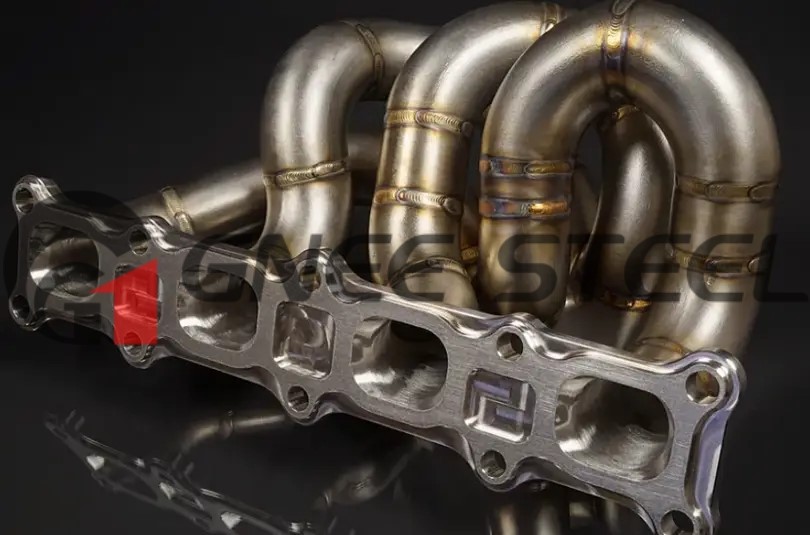
Oxidation-resistant GH3030 high-temperature exhaust and furnace tubing
GH3030 pipe is an 8ONi-20Cr solution-strengthened nickel-based superalloy pipe, renowned for its excellent oxidation resistance, stable austenitic structure, and high plasticity in the temperature range of 800°C to 1100°C. Due to its superior thermal fatigue performance and weldability, it is commonly used in high-temperature exhaust systems, furnace components, and combustion chambers.
What is NIMONIC 75 material?
NIMONIC 75 alloy is an 80/20 nickel-chromium alloy with added titanium and carbon. This alloy was originally introduced in the 1940s for the manufacture of turbine blades. It is easy to machine and weld, and possesses good corrosion resistance, mechanical properties, and heat resistance.
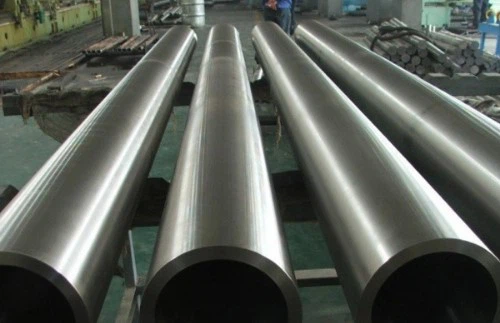
GH3030 Tubing Chemical Composition (GB/T 14992-2005)
| Element | Composition | |
|---|---|---|
| Nickel (Ni) | Remainder (approx. 80%) | |
| Chromium (Cr) | 19% – 22% | |
| Iron (Fe) | ≤ 1.5% | |
| Titanium (Ti) | 0.15% – 0.35% | |
| Silicon (Si) | ≤ 0.8% | |
| Carbon (C) | ≤ 0.12% |
GH3030 Equivalent Grade
| Country | Equivalent Grade |
|---|---|
| China | GH3030 |
| CIS (GOST) | ЭИ435 (EI435), XH78T |
1. Corrosion Resistance Advantages of GH3030
The superior performance of GH3030 (Ni-75 equivalent alloy) stems from its high chromium content (19-22%). At high temperatures, chromium migrates to the surface, forming a dense and highly adhesive Cr₂O₃ (chromium oxide) layer.
Unlike the porous oxides on stainless steel surfaces, this superior coating possesses the following characteristics:
Strong Adhesion: It does not peel off during rapid thermal cycling (heating and cooling).
Water Impermeability: It acts as a protective layer, preventing oxygen from penetrating deep into the nickel substrate.
Good Stability: It maintains structural integrity even at continuous operating temperatures up to 800°C (1472°F).
Download GH3030 Oxidation Resistance Data Sheet
2. Performance Comparison of GH3030 and 310S Stainless Steel
Although 310S is generally considered "heat resistant", GH3030 has a significant improvement in long-term oxidation stability.
Oxidation Rate Comparison (Testing at 800°C in Air for 1000 Hours):
| Material Grade | Weight Gain/Loss (mg/cm²) | Scaling Observation | Industrial Verdict |
| Stainless Steel 310S | +1.8 to +2.5 | Moderate scaling; visible flaking after cycles. | Good for basic heat, prone to scaling pollution. |
| GH3030 (Alloy 75) | +0.4 to +0.8 | Minimal weight change; oxide layer remains intact. | Preferred for Aerospace & Precision Furnaces. |
| Stainless Steel 304 | > 10.0 | Severe scaling and catastrophic metal loss. | Not recommended for high-temp service. |
Click to download the GH3030 alloy PDF file now
3. Application of GH3030 pipes
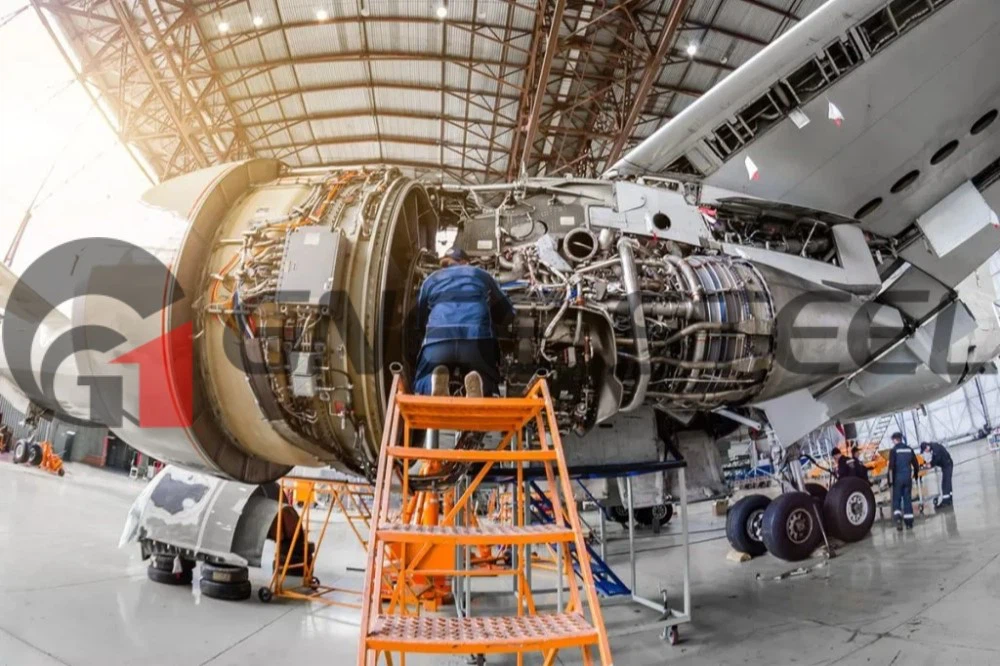
Aerospace Grade Exhaust Systems: Maintains wall thickness and prevents hot gas leaks in engine manifolds.
Industrial Furnace Rollers: Provides a smooth, non-polluting surface for transporting workpieces through continuous furnaces.
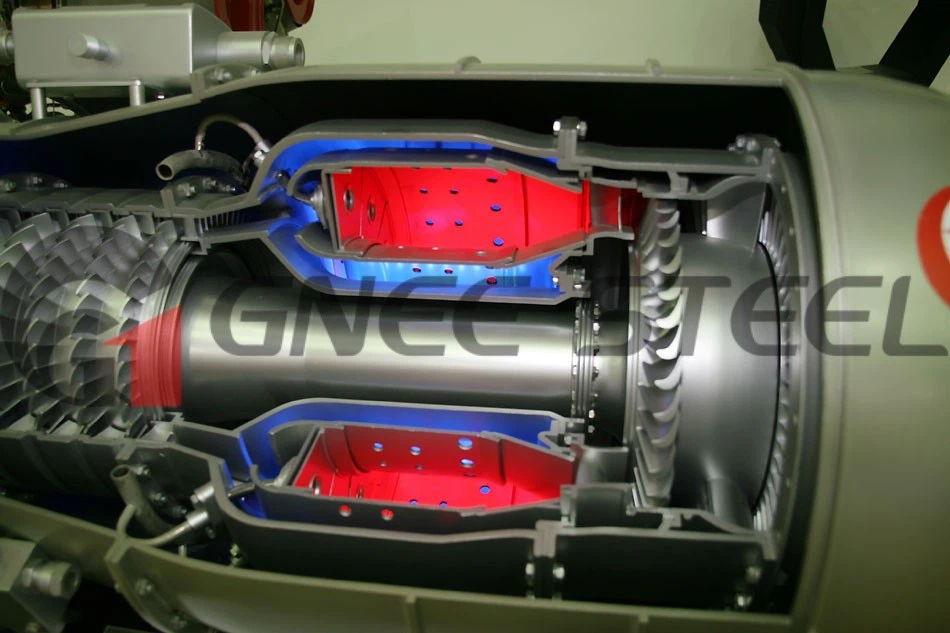
Combustion Liners: Resists the aggressive oxidizing atmosphere in gas turbines.
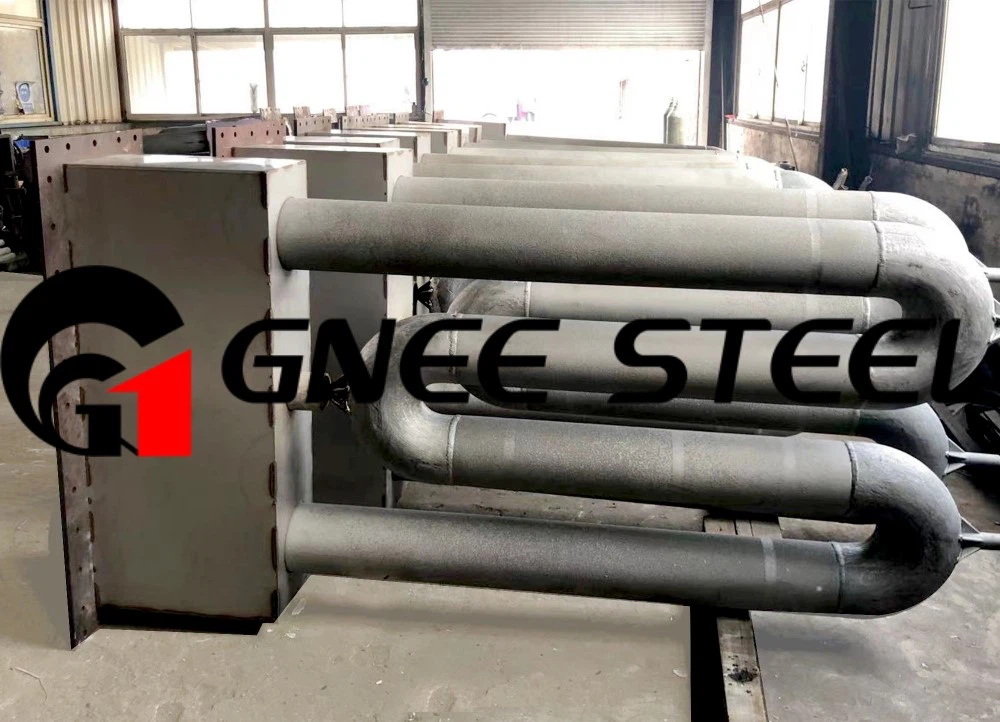
Radiant Tubes: Ensures maximum heat transfer efficiency without the insulating effect of thick oxide scales.
Why choose to source from Gnee Steel?
✅️**VIM + ESR Double Refining Process:** Our double refining process ensures ultra-clean materials with zero surface defects, maximizing the uniformity of the protective oxide layer.
✅️**Wholesale Stock:** We maintain a large inventory of GH3030 seamless steel pipes in various sizes, enabling fast worldwide shipping.
✅️**Factory Direct Prices:** Eliminate middlemen and markups to meet your industrial durability needs at the best prices.
✅️**Certifications:** Every shipment includes a complete 3.1 Factory Test Certificate (MTC) and complies with AS9100/ISO 9001 quality standards.

Gnee Steel GH3030 Certificate
📦 Packaging and Shipping
All Nickel Based Alloy products are packaged using the following methods:
Wooden pallets or crates
Moisture-proof packaging
Labels with furnace number, standard, and size labels
Shipped worldwide by sea, air, or express
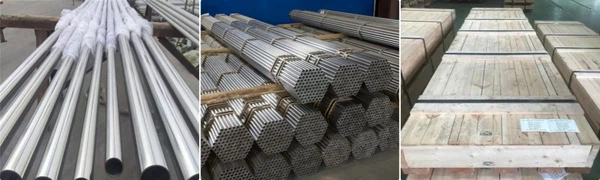
Gnee Steel GH3030 Product Packing
Contact us for the latest export price quote for GH3030 Alloy
FAQ
Q1: At what temperature does the oxidation of GH3030 become severe?
A: GH3030 is extremely stable up to 800°C. Above 900°C, the oxidation rate increases, and for intermittent use up to 1000°C, you may see some thickening of the scale, though it remains far superior to stainless steels.
Q2: Will the oxide layer pollute my furnace's "clean room" environment?
A: No. One of the primary reasons clients upgrade to GH3030 is its "Non-Scaling" property. The oxide layer is "tight," meaning it stays on the metal rather than flaking off into your production area.
Q3: Does welding affect the oxidation resistance?
A: If welded with the correct filler (like ERNiCr-3), the weld zone will exhibit nearly identical oxidation resistance to the base metal, ensuring a consistent Material Life Cycle.
Q4: Can you provide tubes with a polished surface to further reduce oxidation?
A: Yes. We offer Bright Annealed or polished finishes which provide a smoother surface for an even more uniform protective oxide film.


