

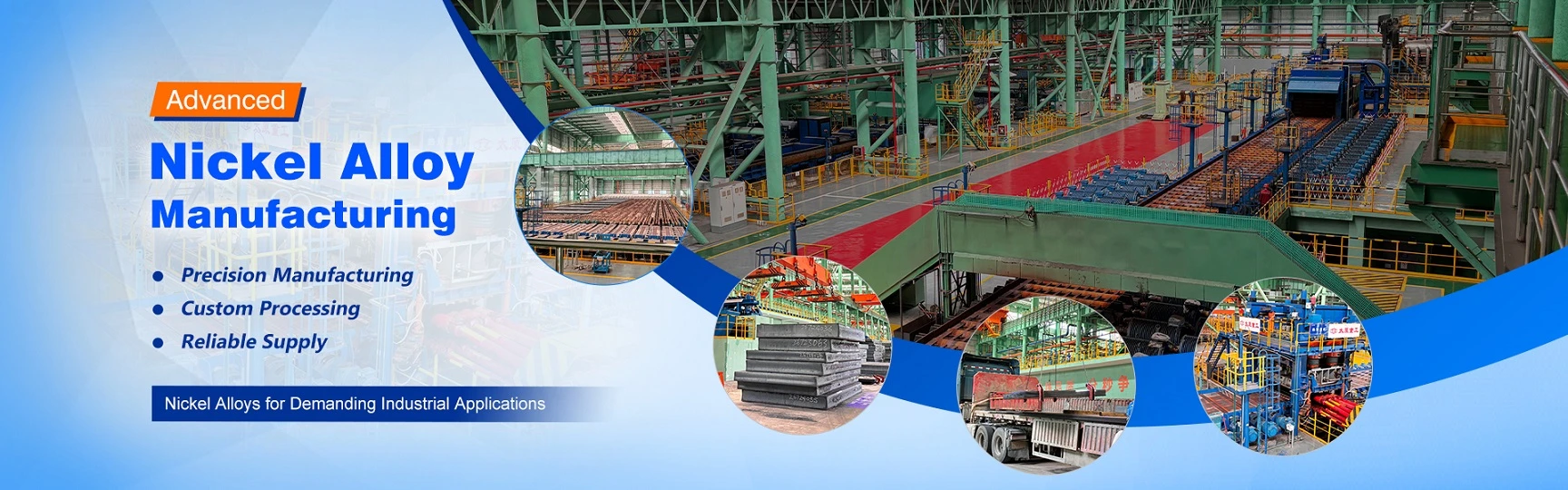
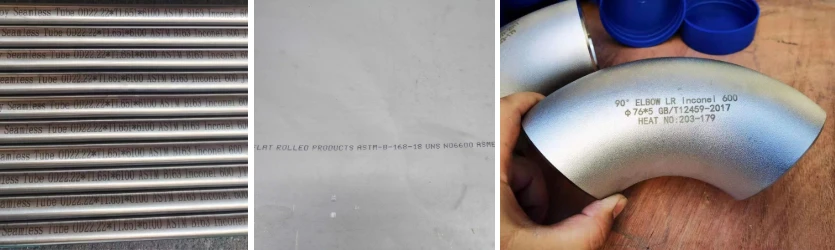
Inconel 600 is a nickel-chromium-iron alloy (UNS N06600, W.Nr.2.4816) conforming to ASTM B168 / B166 / B163 standards. It is a solid-solution strengthened alloy known for excellent oxidation resistance at elevated temperatures and resistance to chloride stress-corrosion cracking. Containing approximately 72% nickel, 14–17% chromium, and 6–10% iron, this nickel chromium alloy delivers a balanced combination of high-temperature strength, workability, and general corrosion resistance. It is widely used for furnace components, heat treatment equipment, chemical processing vessels, and nuclear engineering applications. As a nickel based alloy, Inconel 600 is available in various product forms including Inconel 600 plate, Inconel 600 pipe, Inconel 600 bar, and Inconel 600 tubing for diverse industrial applications.
Hastelloy C-276 is a nickel-molybdenum-chromium-tungsten alloy (UNS N10276, W.Nr.2.4819) conforming to ASTM B575 / B574 / B622 standards. It is one of the most versatile corrosion-resistant alloys available, offering outstanding resistance to pitting, crevice corrosion, and stress corrosion cracking. The addition of molybdenum (15–17%) and tungsten (3–4.5%) provides exceptional resistance to reducing acids such as hydrochloric and sulfuric acid, while chromium (14.5–16.5%) contributes to oxidizing media resistance. Its ultra-low carbon and silicon content minimizes weld heat-affected zone precipitation, making it highly weldable without post-weld solution annealing. As a nickel molybdenum alloy, Hastelloy C-276 is supplied in forms including Hastelloy C-276 plate, Hastelloy C-276 pipe, Hastelloy C-276 round bar, and Hastelloy C-276 sheet for chemical, marine, and energy industry applications.
Inconel 600 vs. Hastelloy C-276: Comparison of Corrosion Resistance
The fundamental difference between Inconel 600 and Hastelloy C-276 lies in their corrosion resistance philosophy. Inconel 600 is a nickel-chromium-iron alloy optimized for high-temperature oxidation resistance and general-purpose corrosion resistance. Hastelloy C-276 is a nickel-molybdenum-chromium alloy specifically engineered for extreme chemical corrosion resistance, particularly in reducing acid environments.
When it comes to aggressive chemical media - hydrochloric acid, sulfuric acid, phosphoric acid, and wet hydrogen chloride gas - Hastelloy C-276 dramatically outperforms Inconel 600. The high molybdenum and tungsten content in C-276 forms a stable passive layer that resists localized attack where Inconel 600 would rapidly corrode. Conversely, in high-temperature oxidizing atmospheres above 1000°C, Inconel 600's chromium-rich oxide scale provides superior protection where C-276 is not designed to operate.
| Corrosive Medium / Service Condition | Inconel 600 | Hastelloy C-276 |
|---|---|---|
| Hydrochloric acid (HCl) | ★★★ Poor; rapid attack at all concentrations | ★★★★★ Outstanding; industry benchmark for HCl resistance |
| Sulfuric acid (H₂SO₄) | ★★ Limited; acceptable only at low concentrations and temperatures | ★★★★★ Excellent across wide concentration and temperature ranges |
| Pitting & crevice corrosion (chloride) | ★★★ Moderate; better than austenitic SS but susceptible under stagnant conditions | ★★★★★ Excellent; virtually immune to chloride pitting and crevice corrosion |
| Stress corrosion cracking (SCC) in chloride | ★★★★ Moderate resistance to chloride‑induced SCC; susceptible under acidic‑aerated high‑stress chloride conditions | ★★★★★ Outstanding resistance to SCC in chloride environments |
| Oxidizing acids (nitric acid) | ★★★ Good; chromium content provides some protection | ★★★ Moderate; molybdenum reduces oxidizing acid resistance |
| High-temperature oxidation (>1000°C) | ★★★★★ Excellent; stable Cr₂O₃ protective scale | ★★★ Fair; not designed for high-temperature oxidizing service |
| Caustic alkalis (NaOH, KOH) | ★★★★ Good resistance | ★★★★ Comparable performance |
| Seawater / marine atmosphere | ★★★ Good general resistance | ★★★★★ Excellent; ideal for seawater service |
Inconel 600 vs. Hastelloy C-276 Quick Selection
• Select Inconel 600: High-temperature furnace and heat treatment applications, oxidation-resistant service above 1000°C, carburizing environments, and general-purpose corrosion resistance where reducing acids are not present.
• Select Hastelloy C-276: Aggressive chemical processing involving HCl, H₂SO₄, wet HCl gas, chloride-rich environments requiring pitting and crevice corrosion resistance, flue gas desulfurization, and waste treatment systems.
Send us your operating medium, temperature, and pressure parameters. Our metallurgy team will recommend the most cost-effective alloy solution for your project.
Inconel 600 vs. Hastelloy C-276: Comparison of Chemical Properties
Inconel 600 (ASTM B168) and Hastelloy C-276 (ASTM B575) represent fundamentally different alloy systems. The table below shows their typical chemical composition (reference values).
| Element | Inconel 600 | Hastelloy C-276 |
|---|---|---|
| Ni | ≥72.0 (Balance) | Balance (~57) |
| Cr | 14.0–17.0 | 14.5–16.5 |
| Mo | - | 15.0–17.0 |
| Fe | 6.0–10.0 | 4.0–7.0 |
| W | - | 3.0–4.5 |
| Co | - | ≤2.5 |
| Mn | ≤1.0 | ≤1.0 |
| Si | ≤0.50 | ≤0.08 |
| C | ≤0.15 | ≤0.01 |
| S | ≤0.015 | ≤0.010 |
| P | - | ≤0.025 |
The key compositional distinction: Inconel 600 relies on a high nickel matrix with chromium for oxidation resistance, while Hastelloy C-276 combines nickel with substantial molybdenum and tungsten for broad-spectrum chemical corrosion resistance. The ultra-low carbon content in C-276 (≤0.01%) is critical - it prevents carbide precipitation at grain boundaries during welding, preserving corrosion resistance in the heat-affected zone without requiring post-weld solution treatment.
Inconel 600 vs. Hastelloy C-276: Comparison of Mechanical Properties
| Property | Inconel 600 (Annealed) | Hastelloy C-276 (Solution Annealed) |
|---|---|---|
| Tensile Strength, MPa | ≥550 | ≥690 |
| Yield Strength (0.2% Offset), MPa | ≥240 | ≥283 |
| Elongation (A50), % | ≥30 | ≥40 |
| Hardness, HB | 120–170 | ≤100 (typical ~90) |
| Density, g/cm³ | 8.47 | 8.89 |
| Melting Range, °C | 1370–1425 | 1323–1371 |
| Modulus of Elasticity, GPa | 207 | 205 |
| Thermal Conductivity (100°C), W/m·K | 14.8 | 10.1 |
Inconel 600 offers higher tensile strength and a higher melting range, making it suitable for elevated-temperature structural applications. Hastelloy C-276 provides greater ductility (elongation ≥40%) and excellent formability, which is advantageous for fabrication of complex chemical equipment such as heat exchanger shells, reactor vessels, and scrubber components. Both nickel alloy products are available as nickel alloy pipe, nickel alloy plate, and nickel alloy bar for custom fabrication.
Inconel 600 vs. Hastelloy C-276: Comparison of High-Temperature Performance
This is where the two alloys diverge most significantly.
Inconel 600 - The High-Temperature Champion
Inconel 600 excels in high-temperature service. Its chromium content (14–17%) forms a stable, adherent Cr₂O₃ oxide scale that protects against oxidation, carburization, and nitridation at temperatures up to approximately 1150°C. The Inconel 600 temperature range for continuous service in oxidizing atmospheres extends to 1150°C, while intermittent service can reach 1175°C. It maintains useful mechanical strength at elevated temperatures and resists thermal fatigue. Inconel 600 is widely used for aerospace engine components, oil and gas processing equipment, chemical industry furnace parts, and power plant tubing.
Typical high-temperature applications for Inconel 600 include:
- ✓ Furnace muffles and heat treatment baskets
- ✓ Radiant tubes and burner components
- ✓ Petrochemical reactor internals and catalyst support grids
- ✓ Nuclear reactor control rod drive mechanisms
- ✓ Steam generator tubing in nuclear power plants
Hastelloy C-276 - Not Designed for High-Temperature Oxidizing Service
Hastelloy C-276 is optimized for aqueous corrosion resistance, not high-temperature oxidation. For continuous long‑term service under oxidizing air atmosphere, the practical service limit of Hastelloy C‑276 stands near 800°C. Short‑term intermittent exposure can reach 980°C. Molybdenum‑trioxide volatilization accelerates above 900°C, bringing increased material mass‑loss risk, so it is not recommended for sustained high‑temperature oxidizing working conditions.
| High-Temperature Property | Inconel 600 | Hastelloy C-276 |
|---|---|---|
| Maximum Service Temperature (Oxidizing), °C | ~1150 | ~800 |
| Oxidation Resistance (1000°C) | Excellent | Poor |
| Carburization Resistance | Excellent | Moderate |
| Thermal Stability (long-term) | Excellent | Good (but not above 800°C) |
| Thermal Fatigue Resistance | Excellent | Moderate |
Contact us for the latest export price quote for 600 Alloy
Selecting the wrong alloy for high-temperature service can lead to premature failure and costly downtime. Share your operating temperature profile and atmosphere conditions - our engineers will verify material suitability.
Inconel 600 vs. Hastelloy C-276: Comparison of Weldability
Both alloys are considered weldable, but with different requirements and key considerations for achieving sound welds. Proper Inconel welding and Hastelloy welding procedures are essential for maintaining corrosion resistance.
Inconel 600 Welding
Inconel 600 offers good weldability using standard nickel-alloy welding techniques. Gas tungsten arc welding (GTAW/TIG) and gas metal arc welding (GMAW/MIG) are commonly used for Inconel 600 pipe and Inconel 600 plate fabrication. The matching filler metal is ERNiCr-3 (Inconel 82 welding rod). The alloy is not susceptible to post-weld stress corrosion cracking in most environments. Preheat is generally not required. Post-weld heat treatment is not mandatory, but stress-relief annealing may be recommended for highly stressed components. Inconel machining and Inconel forging can also be performed with appropriate parameters.
Hastelloy C-276 Weldability
Hastelloy C-276 was specifically developed to overcome the weldability limitations of earlier C-grade alloys. Its ultra-low carbon and silicon content (C ≤0.01%, Si ≤0.08%) virtually eliminates carbide precipitation in the heat-affected zone, maintaining corrosion resistance after welding without post-weld solution annealing. This is a major advantage over many other corrosion-resistant alloys. The matching filler metal for Hastelloy C-276 is ERNiCrMo-4. GTAW, GMAW, and SMAW processes are all suitable for fabricating Hastelloy C-276 pipe, Hastelloy C-276 plate, and Hastelloy C-276 bar products. Hastelloy C-276 heat treatment is generally not required after welding.
| Welding Parameter | Inconel 600 | Hastelloy C-276 |
|---|---|---|
| Overall Weldability Rating | Good | Good (with correct consumables) |
| Common Welding Methods | GTAW (TIG), GMAW (MIG), SMAW | GTAW (TIG), GMAW (MIG), SMAW |
| Matching Filler Metal | ERNiCr-3 (Inconel 82) | ERNiCrMo-4 |
| Carbide Precipitation Risk | Low | Very Low (ultra-low C design) |
| Post-weld Heat Treatment | Generally unnecessary | Not required (major advantage) |
| Intergranular Corrosion Risk after Welding | Low | Very Low |
| Key Welding Caution | Crater cracking sensitivity | Filler metal mismatch must be avoided |
Improper welding consumables or parameters will compromise corrosion resistance and service life. Share your welding requirements and component dimensions - our metallurgy team will provide professional fabrication guidance.
Inconel 600 vs. Hastelloy C-276: Comparison of Price and Cost
| Cost Dimension | Inconel 600 | Hastelloy C-276 |
|---|---|---|
| Reference FOB Price (USD/kg) | $18–24 / kg | $35–48 / kg |
| Relative Material Cost | Moderate (baseline for nickel-chromium alloy) | High, roughly 1.8–2.2× cost of Inconel 600 |
| Processing & Welding Cost | Moderate; standard nickel-alloy fabrication | Higher; harder to machine, dedicated ERNiCrMo-4 filler required |
| Service Life (reducing acid / chloride environments) | Short; rapid corrosion in HCl, H₂SO₄ - frequent replacement | Extremely long; near-immune to most chemical media |
| Service Life (high-temperature oxidizing service) | Long; designed for this condition | Not suitable; premature oxidation failure |
| Downtime & Replacement Expense (chemical service) | High risk; corrosion failure likely | Very low; exceptional chemical stability |
Note: Prices fluctuate with raw metal prices, product forms, dimensions, and order volume - for reference only, not a binding quotation.
While Hastelloy C-276 costs significantly more than Inconel 600 per kilogram, it delivers unmatched value in severe chemical corrosion environments. In hydrochloric acid or sulfuric acid service, specifying Inconel 600 to save on initial material cost inevitably leads to premature equipment failure, unplanned shutdowns, and repeated replacement - the total lifecycle cost far exceeds investing in C-276 from the start.
Conversely, specifying Hastelloy C-276 for high-temperature furnace applications where Inconel 600 excels would be both technically inappropriate and unnecessarily expensive. Material selection must match the service environment.
If you are troubled by frequent part failures caused by corrosion, send over your working-condition details - our team will evaluate which alloy delivers the best lifecycle-cost performance for your project.
Inconel 600 vs. Hastelloy C-276: How to Choose?
✅ Ideal Applications for Inconel 600
- ✓ Furnace components, muffles, and radiant tubes for heat treatment
- ✓ Chemical processing equipment handling caustic alkalis and mild corrosive media
- ✓ Nuclear reactor control rod drive mechanisms and steam generator tubing
- ✓ High-temperature oxidation-resistant structural components (up to ~1150°C)
- ✓ Petrochemical catalyst support grids and reactor internals
- ✓ Inconel 600 plate, Inconel 600 pipe, and Inconel 600 round bar for general corrosion-resistant fabrication
✅ Ideal Applications for Hastelloy C-276
- ✓ Hydrochloric acid, sulfuric acid, and phosphoric acid processing equipment
- ✓ Flue gas desulfurization (FGD) scrubbers and ductwork
- ✓ Chloride-rich seawater and brine heat exchangers and piping
- ✓ Chemical waste incineration and treatment systems
- ✓ Pulp and paper industry bleaching and washing equipment
- ✓ Hastelloy C-276 plate, Hastelloy C-276 pipe, and Hastelloy C-276 round bar for severe corrosion-resistant fabrication
Decision Framework
- → If your service temperature exceeds 800°C in an oxidizing atmosphere - Choose Inconel 600
- → If your environment involves reducing acids (HCl, H₂SO₄) or high-chloride media - Choose Hastelloy C-276
- → If both high temperature and chemical corrosion are present - Consult our engineers for a specialized grade
- → If budget is constrained and service conditions are mild (caustic, freshwater, atmospheric) - Inconel 600 may be sufficient
- → If long-term reliability in aggressive chemicals is the priority - Hastelloy C-276 delivers the lowest total cost of ownership
Why Choose GNEE Alloy as Your Supplier Partner?
✅ Ready Stock & Inventory: Stocking 40+ mainstream nickel alloy grades, covering Inconel, Incoloy, Monel, and Hastelloy series - available in plates, bars, pipes, and forging billets. Standard stock lead time is 7–10 business days, while custom non-standard sizes require 25–30 business days. We support consolidated mixed-grade container shipments with zero mandatory large MOQs.
✅ Quality & Inspection Services: Every batch undergoes 100% full-item inspection, including OES chemical analysis, mechanical property testing, dimensional verification, and PMI material identification. Plates and round bars receive 100% Ultrasonic Testing (UT). Third-party witness inspections by SGS, BV, or TÜV are supported upon request. All inspection records are archived for at least 5 years to ensure complete traceability.
✅ Material Certification & Traceability: Every shipment includes official EN 10204 3.1 Mill Test Certificates (MTC), with EN 10204 3.2 third-party certificates available upon request. All products strictly comply with ASTM, AMS, and GB/T standards under our ISO 9001 quality management system. Certificates accurately link heat numbers, chemical compositions, mechanical properties, and heat treatment records to physical goods for end-to-end traceability from melting to final delivery.
✅ Export Packaging & Logistics: Finished alloys feature 4-layer oceanic export packaging: VCI anti-rust paper, waterproof PE film, galvanized steel wrapping, and ISPM-15 fumigated wooden pallets secured with heavy-duty steel strapping. We support sea, rail, and air freight, providing pre-shipment container loading photos. Max length: 6 meters for 20ft containers and 12 meters for 40ft containers, backed by real-time shipment tracking.
✅ Responsive Customer Support: Our technical team responds to all inquiries within 24 business hours, offering alloy grade selection, welding guidance, and custom cutting services. Order sizes range from 5 kg sample orders to full container loads (FCL). Backed by 18 years of special alloy export experience serving clients across 40+ countries, our one-stop service covers drawing reviews, production tracking, inspection coordination, and complete export documentation.

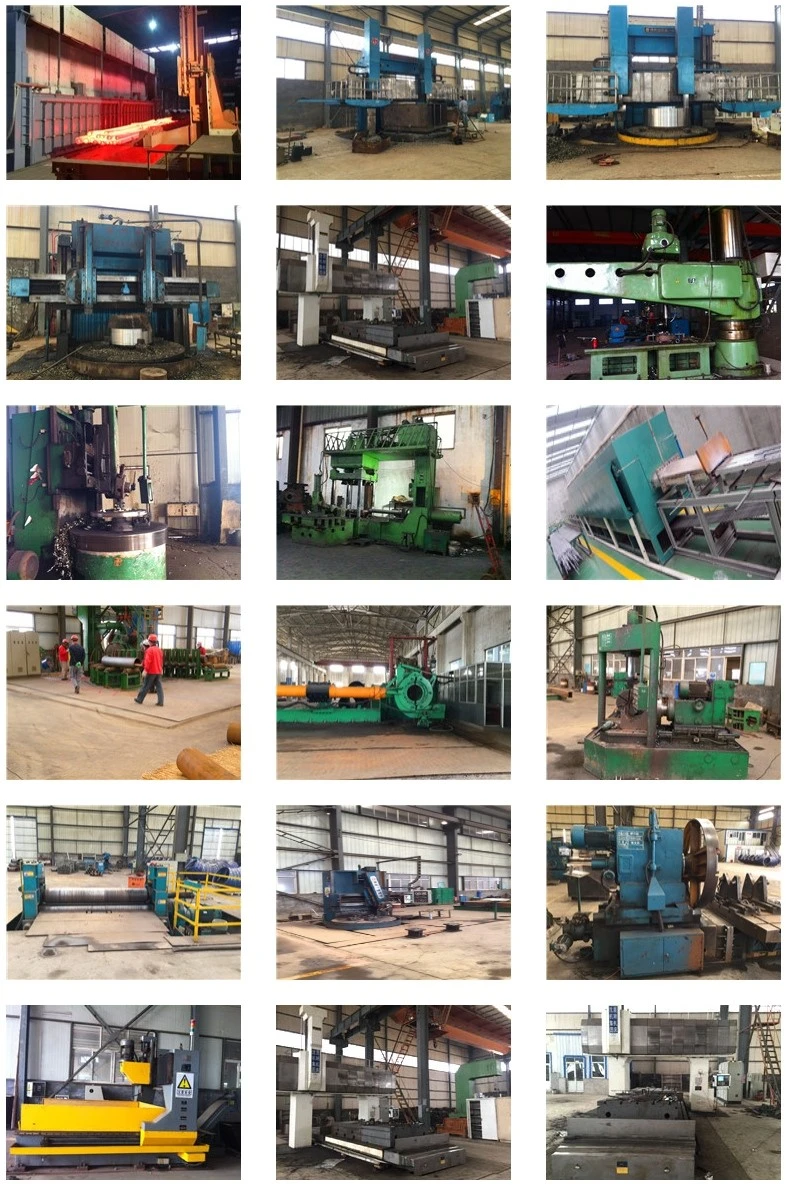

Submit your material specifications and operating parameters. Our technical team will verify inventory, confirm certification requirements, and issue an official quotation for your project.
FAQ
What is the difference between Inconel 600 and Hastelloy C-276?
Inconel 600 is a nickel-chromium-iron alloy (UNS N06600) optimized for high-temperature oxidation resistance, while Hastelloy C-276 is a nickel-molybdenum-chromium-tungsten alloy (UNS N10276) engineered for extreme chemical corrosion resistance - particularly to reducing acids and chloride pitting. They serve fundamentally different service environments.
Is Hastelloy C-276 a nickel alloy?
Yes, Hastelloy C-276 is a nickel-based alloy with nickel as the balance element (approximately 57%). Its high nickel content, combined with molybdenum (15–17%), chromium (14.5–16.5%), and tungsten (3–4.5%), provides its exceptional corrosion resistance. It is not a stainless steel - it is a nickel alloy.
Can Hastelloy C-276 be welded?
Yes, Hastelloy C-276 has excellent weldability. Its ultra-low carbon content (≤0.01%) prevents carbide precipitation in the heat-affected zone, meaning it can be used in the as-welded condition without post-weld solution annealing. Matching filler metal ERNiCrMo-4 should always be used.
Does Hastelloy C-276 rust?
Hastelloy C-276 does not rust in the conventional sense. It is a nickel-based alloy, not stainless steel, and does not rely on a chromium-only passive film. In normal atmospheric conditions it shows no corrosion. However, it can experience corrosion in certain extreme environments such as strong oxidizing acids (e.g., nitric acid) at elevated concentrations.
What material is equivalent to Hastelloy C-276?
Hastelloy C-276 (Alloy C-276) equivalent specifications include UNS N10276, Werkstoff Number 2.4819, and ISO NiMo16Cr15W. It is governed by ASTM standards including B575 (plate/sheet), B574 (bar), B622 (seamless pipe), and B619/B626 (welded pipe).
Is Inconel 600 better than Hastelloy C-276?
Neither alloy is universally "better" - each excels in different environments. Inconel 600 is superior for high-temperature oxidizing service (up to ~1150°C), while Hastelloy C-276 is vastly superior for chemical corrosion resistance, particularly in hydrochloric acid, sulfuric acid, and chloride-rich media. The right choice depends entirely on your operating conditions.


