

What is the difference between INCOLOY 800 and 600?
When it comes to high-performance nickel alloys, Inconel alloy 600 and Incoloy alloy 800 are the obvious choices, each with unique properties. In this comparison, we take a closer look at these alloys, highlighting their key properties and applications to help you make an informed decision based on your specific engineering needs.
Composition and Structure
Inconel alloy 600 is primarily a nickel-chromium-iron alloy known for its corrosion resistance and high mechanical strength. It consists of approximately 72% nickel, 14-17% chromium, and 6-10% iron, providing an excellent balance of properties. This composition not only provides corrosion resistance but also excellent mechanical properties, making it a very versatile engineering material.
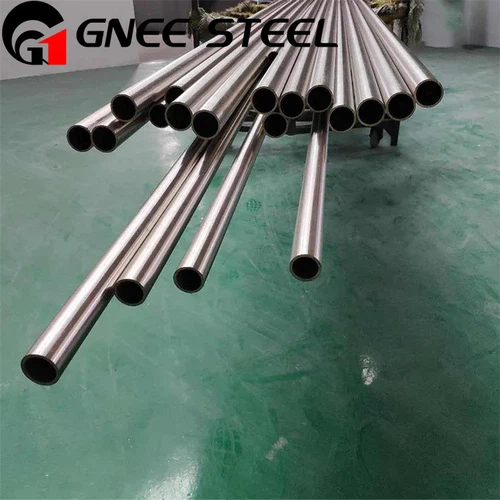

On the other hand, Incoloy alloy 800 is a well-recognized alloy designed to meet the needs of high-temperature applications. Its composition includes approximately 32-39% nickel, 21-23% chromium, 0.75-1.25% iron, and a small amount of copper, which enhances its resistance to oxidation and carburization at high temperatures. Incoloy 800's performance in extreme high temperature conditions makes it a standout in applications that require strength and stability at temperatures up to 1500°F (816°C).
High Temperature Resistance
Incoloy 800 alloy performs well in high temperature environments. It maintains its mechanical properties even at temperatures up to 1500°F (816°C). This property makes it a top choice for applications that need to withstand extreme temperatures continuously, such as furnace components and heat treatment equipment.
Inconel 600 alloy, while still offering excellent high temperature resistance, is more suitable for applications with temperature requirements up to about 2000°F (1095°C). Therefore, choosing between these alloys depends on your specific temperature range needs.
Corrosion Resistance
Both alloys exhibit excellent corrosion resistance, although there are some differences. Inconel 600 alloy performs well in acidic environments, especially against corrosive substances such as sulfuric and hydrochloric acids. It is widely used in the chemical processing industry, where resistance to a wide range of chemicals is critical.
Incoloy 800 alloy excels in resisting oxidation and carburization at elevated temperatures. It is well suited for applications in oxidizing environments and where exposure to corrosive materials is less of a concern. This makes it a solid choice for high-temperature applications in industrial settings.
Mechanical Properties
Incoloy 800 alloy has excellent elevated temperature strength, making it an ideal choice for applications that require strength and stability at elevated temperatures. Its nickel content gives it excellent mechanical properties, ensuring reliability in high-stress environments.
Inconel 600 alloy maintains good mechanical properties at lower temperatures, but may have reduced strength at higher temperatures compared to Incoloy 800 alloy. Therefore, choosing between the two alloys depends on the mechanical property requirements of your specific application.
Weldability
Both alloys can be welded using standard methods, but Incoloy 800 alloy is more weldable. It maintains its properties even after welding, as long as the recommended welding procedures are followed. Inconel 600 alloy, while weldable, may require more attention to post-weld heat treatment to restore its properties.
Applications of Inconel Alloy 600 vs. Incoloy Alloy 800
Inconel Alloy 600 is widely used in the chemical processing industry, aerospace applications such as jet engine components, and a variety of engineered systems that require corrosion resistance and high mechanical strength.
Where Incoloy Alloy 800 excels is in high temperature applications, especially in industrial furnace components, heat treatment equipment, and petrochemical processing. Its ability to withstand high temperatures and maintain stability in these harsh environments is critical.
Inconel Alloy 600 and Incoloy Alloy 800 are superior nickel alloys with unique properties that make them suitable for a wide range of applications. When selecting these alloys, factors such as temperature, corrosion resistance, mechanical strength, and budget should be considered based on the specific needs of your application. Gnee Steel's experienced team will provide you with expert guidance and customized high-quality materials to meet the needs of your project. Contact us today to select the right alloy for your engineering project.


