

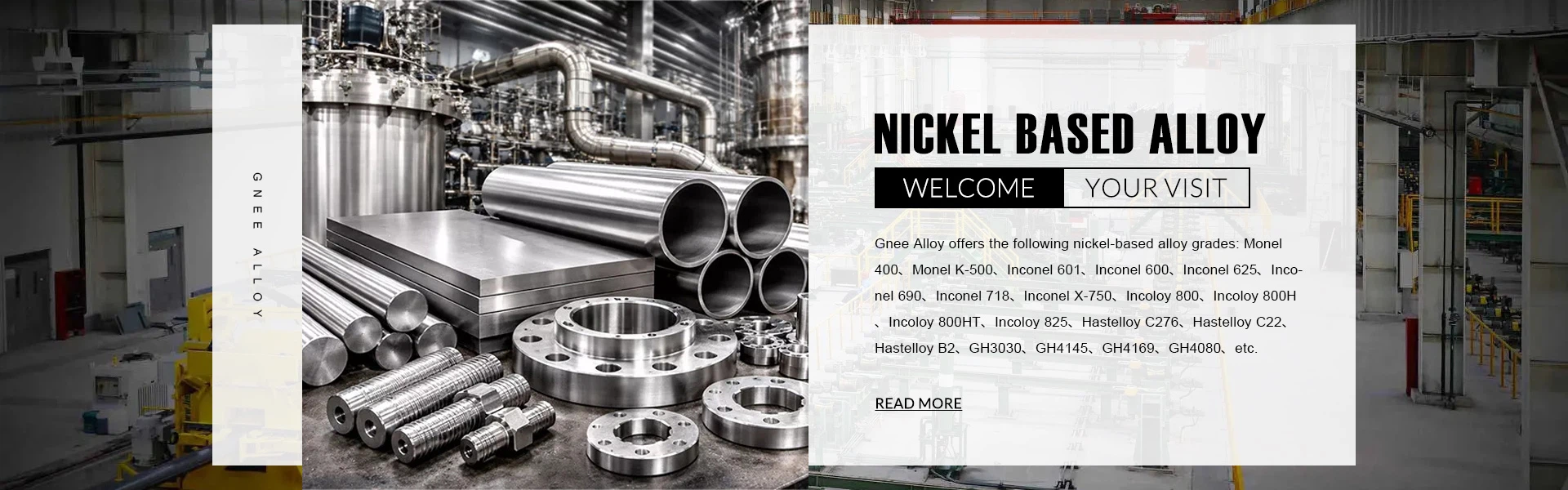
In the aerospace and power generation sectors, the performance of gas turbines is constrained by the integrity of their blades. These components typically feature complex internal cooling channels and thin-walled aerodynamic profiles, thus requiring a material with exceptional metallurgical purity and flow properties.
Inconel 713C (UNS N07713) is the industry's preferred raw material for manufacturing these critical components. As a leading high-temperature alloy partner, we offer master alloy bars manufactured using vacuum induction melting (VIM) technology. These bars are meticulously designed to optimize your precision casting yield and ensure the long-term reliability of your turbine hot-end components.
Click to get an Inconel 713C quote
Inconel 713C alloy bars: the preferred material for precision turbine blades
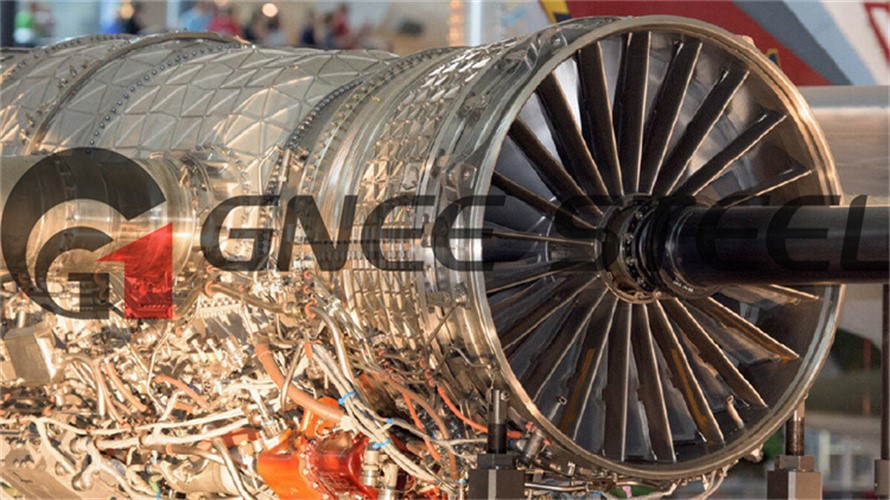
Inconel 713C alloy bars: the preferred material for precision turbine blades
Inconel 713C alloy bars are a premium nickel-based superalloy widely recognized as the material of choice for high-performance, precision investment-cast turbine blades. Designed for extreme high-temperature environments, this alloy offers exceptional strength, creep resistance, and thermal fatigue resistance, making it an indispensable component in the aerospace, power generation, and turbocharger industries.
What are the alternatives to Inconel 713C?
Alternatives to Inconel 713C include Inconel 718, Rene 77, and Mar-M247. Inconel 718 has higher tensile strength, making it ideal for low-temperature applications, but less suitable for prolonged high-temperature use.
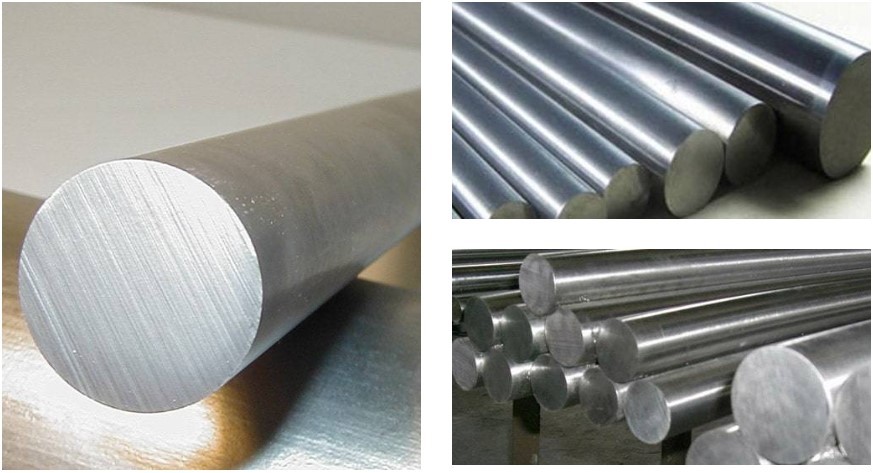
1. Inconel 713C (UNS N07713) Chemical Composition
| Element | Content (Wt. %) | Expert Role |
| Nickel (Ni) | Balance | Base for 1800°F (982°C) service. |
| Chromium (Cr) | 12.00 - 14.00 | Protects against hot corrosion/oxidation. |
| Aluminum (Al) | 5.50 - 6.50 | Essential for Gamma-Prime Strengthening. |
| Molybdenum (Mo) | 4.00 - 5.00 | Provides mechanical stability under stress. |
| Niobium (Nb) | 1.80 - 2.80 | Enhances creep resistance and fluidity. |
| Titanium (Ti) | 0.50 - 1.00 | Refines the precipitation hardening matrix. |
2. Mechanical properties of Inconel 713C (UNS N07713)
| Property | Value | Test Condition |
| Stress Rupture Life |
≥≥ 30 Hours |
1800°F / 152 MPa (22 ksi) |
| Rupture Elongation |
≥≥ 5.0% |
High-temperature ductility benchmark. |
| Tensile Strength |
≥≥ 827 MPa |
Room Temperature (Standard) |
Click to download the Inconel 713C alloy PDF file now
3. Why is Inconel 713C the material of choice for turbine blades?
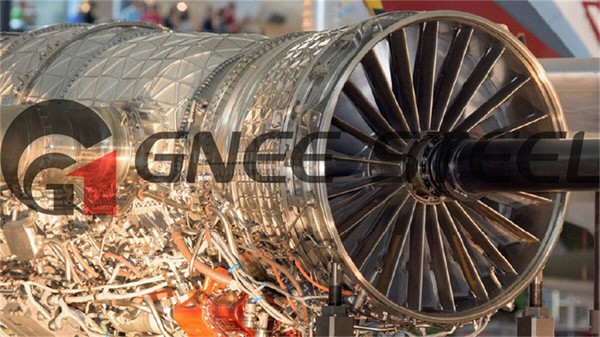
Turbine blades use Inconel 713C
Exceptional high-temperature strength: It can operate effectively at temperatures up to 982°C (1800°F) and even higher.
Excellent creep resistance: Inconel 713C resists long-term deformation under high stress, which is crucial for maintaining the structural integrity of blades during thousands of hours of operation.
Outstanding resistance to thermal fatigue: Its microstructure can withstand frequent thermal cycling (jet engine start-up/shutdown) without premature cracking.
Optimal casting performance: It is designed specifically for vacuum investment casting, allowing for the fabrication of complex blade shapes, including intricate designs after cooling.
High corrosion/oxidation resistance: High nickel (Ni) and chromium (Cr) content ensures its long service life in harsh, high-temperature gas flow environments.
4. Common Applications of 713C Alloy
Jet Engine Components: High-pressure and low-pressure turbine blades and guide vanes
Industrial Gas Turbines: Power generation combustion chambers and turbine sections
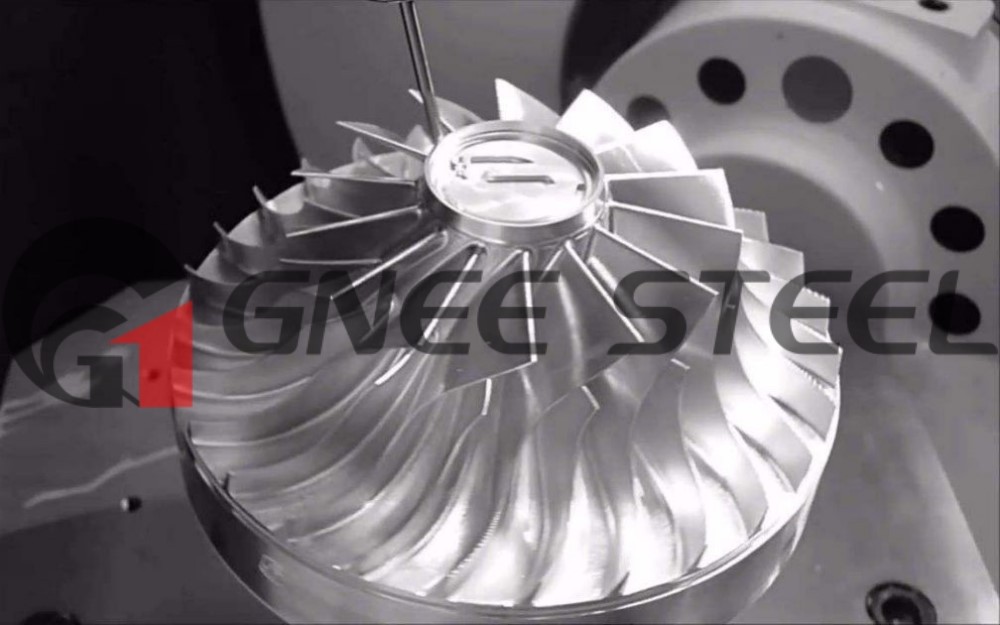
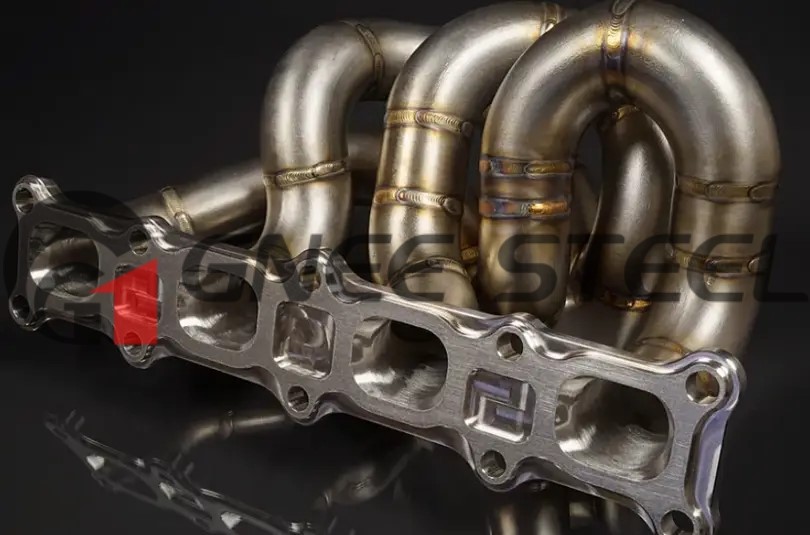
Automotive: Turbocharger impellers and high-performance exhaust valves
Aerospace and Defense: Missile components and high-temperature structural parts


5. Inconel 713C Alloy Manufacturing Considerations
Casting: Vacuum investment casting is preferred.
Weldability: Welding is difficult; typically used for casting fixed-size parts; repair requires specialized techniques such as electron beam welding or plasma arc welding.
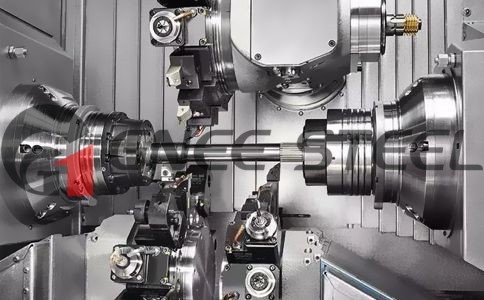
Machinability: While machinable, advanced, sharp tools are required to handle the high strength and work hardening.


Why choose to partner with Gnee Alloy?
As a professional nickel alloy exporter, Gnee Alloy understands that your production plans depend on material availability and cost-effectiveness.
✅️Wholesale Pricing & Bulk Supply: We offer competitive wholesale prices and specialized annual supply contracts to protect our partners from market volatility.
✅️MTC 3.1 Traceability: Every bar is accompanied by full traceability documentation, verifying its aerospace-grade heritage.
✅️Global Logistics: We maintain a strategic inventory of standard Φ75mm and Φ80mm master alloy sticks, ready for global air or sea freight with optimized lead times.

Gnee Steel inconel 713C Certificate
📦 Packaging and Shipping
All Nickel Based Alloy products are packaged using the following methods:
Wooden pallets or crates
Moisture-proof packaging
Labels with furnace number, standard, and size labels
Shipped worldwide by sea, air, or express

Gnee Steel 713C Product Packing
Contact us for the latest export price quote for 713C Alloy
FAQ
Q: Why do you refer to 713C as "Feedstock" instead of just "Bar"?
A: In the precision casting industry, Feedstock refers to the remelt alloy used in vacuum investment casting. Our Master Alloy Sticks are sized specifically (e.g., 400mm-1000mm) to fit induction crucibles, ensuring a fast, clean melt-down.
Q: How does VIM melting improve our blade's surface finish?
A: By removing dissolved Oxygen and Nitrogen, our VIM process prevents the formation of nitride and oxide inclusions that often appear as surface "pitting" or "peel" after de-shelling.
Q: Do you offer MTC 3.2 third-party inspection for aerospace orders?
A: Yes. We frequently work with agencies like SGS and Lloyd's to provide certified third-party verification for high-value turbine projects.


