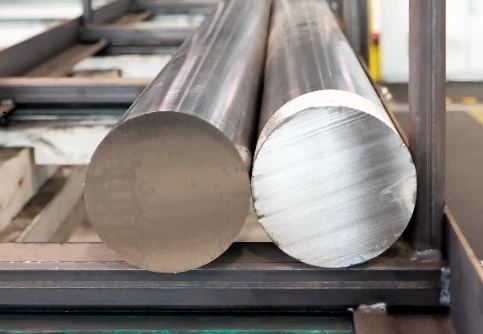
GNEE has recently completed shipment of a batch of ASME SB637 N07718 (Inconel 718) round bars tailored for customer's thread‑rolling production. All bars passed full‑range material inspection, dimensional verification and surface quality audit, and were scheduled for delivery to the customer's fastener manufacturing facility.
For this project, the customer required Inconel 718 rod blanks that could be directly fed into thread‑rolling equipment without additional heavy surface grinding. Drawing on long‑term practical experience in superalloy bar manufacturing, GNEE metallurgical team reviewed the customer's thread‑rolling parameters, tolerance requirements and post‑rolling performance expectations. We proposed cold‑drawn execution solution instead of conventional hot‑finished bars, to guarantee surface condition, dimensional consistency and internal metallurgical structure suitable for thread rolling. The production plan was formally launched after full technical confirmation with the client.
Advantages of GNEE ASME SB637 Inconel 718(N07718) Rods
High‑Temperature Mechanical Performance
As a precipitation‑hardened nickel‑chromium‑iron superalloy, Inconel 718 maintains outstanding tensile strength, yield strength and creep‑rupture resistance up to 700℃. Even under alternating high‑low temperature cyclic loads, it retains stable mechanical performance, which makes it ideal for high‑strength bolts, studs and fastener components serving in aerospace, oil & gas and energy equipment.
Excellent Fatigue Resistance for Fastener Service
The alloy delivers superior fatigue performance under dynamic vibration and repeated stress. When processed into thread‑rolled fasteners, Inconel 718 rods can withstand long‑term alternating load, greatly lowering the risk of fastener fracture in critical equipment connections.
Comprehensive Corrosion Resistance
Inconel 718 offers good resistance to oxidation at elevated temperature, together with reliable resistance to pitting, crevice corrosion and stress corrosion cracking in chloride and acidic environments. Fasteners manufactured from N07718 bars can adapt to complex corrosive working media in offshore and chemical processing projects.
Strict Compliance with ASME SB637 Specification
ASME SB637 governs hot‑finished and cold‑drawn nickel‑alloy bars including UNS N07718. This specification imposes rigid limits on chemical composition, grain size range, tensile properties, hardness and non‑destructive testing requirements. GNEE Inconel 718 rods strictly follow SB637 requirements to guarantee repeatable and predictable machining and cold‑forming behaviour.
Compared with ordinary stainless steel and common nickel alloy bars, properly produced Inconel 718 cold‑drawn rods extend fastener service life significantly under high‑temperature, high‑load and corrosive environments. It reduces equipment overhaul frequency and total lifecycle cost for end projects.
Processing Technology of GNEE Cold‑Drawn Inconel 718 Rods for Thread Rolling
After confirming technical datasheet and tolerance specification, GNEE sets multi‑stage inspection checkpoints throughout cold‑draw production flow for full‑step quality control.
Raw material incoming inspection: We adopt homogenized hot‑forged / hot‑rolled Inconel 718 billets with original mill test reports. Upon material arrival, PMI positive material identification is performed for each heat lot. Sampling tensile, hardness and metallographic examinations are implemented to rule out material mixing and internal defects.
Pre‑drawing surface preparation: Billets go through cutting end preparation, pickling & descaling to fully remove oxide scale, laps and surface tearing. Special surface polishing is carried out before drawing pass to avoid bringing surface defects into subsequent cold‑deformation process.
Multi‑pass controlled cold‑drawing operation: Inconel 718 has high deformation resistance. We adopt multi‑pass drawing with moderate per‑pass reduction rate, matched with high‑performance special lubricant system to reduce die friction and prevent surface scratch or metal tearing during drawing. Each pass monitors dimensional deviation and surface finish.
Inter‑process heat treatment: Between drawing passes, controlled stress‑relief heat treatment is performed to eliminate cold‑work hardening, optimise material ductility and guarantee the alloy is in suitable metallurgical state for later thread‑rolling cold forming.
Post‑drawing finishing: After final drawing, bars go through precision straightening to meet straightness tolerance. Surface cleaning removes residual lubricant. Then dimensional sorting, visual surface inspection and NDT are completed before packaging.
Every finished rod is checked for diameter tolerance, roundness, straightness and surface quality. Qualified products receive anti‑scratch surface protection and export‑grade seaworthy packaging before shipment.
Thread Rolling Process Images
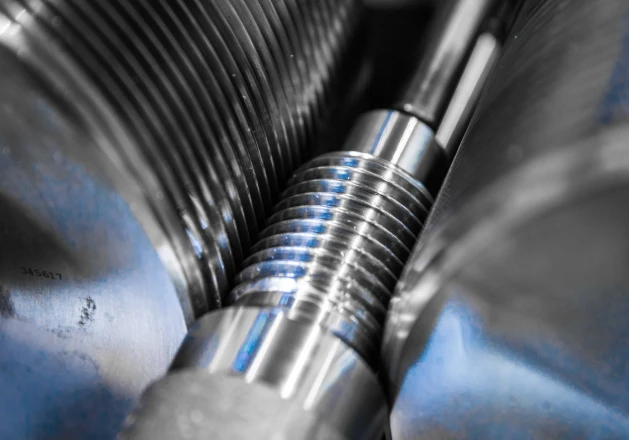
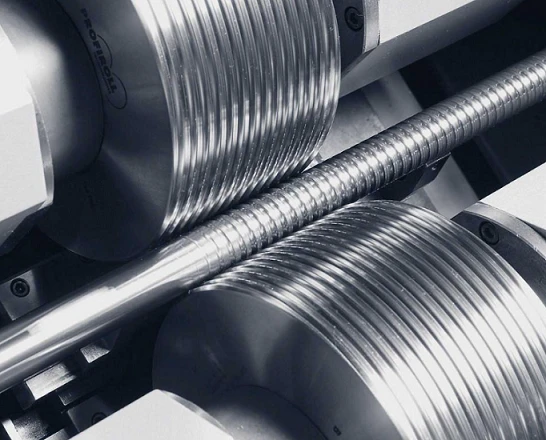
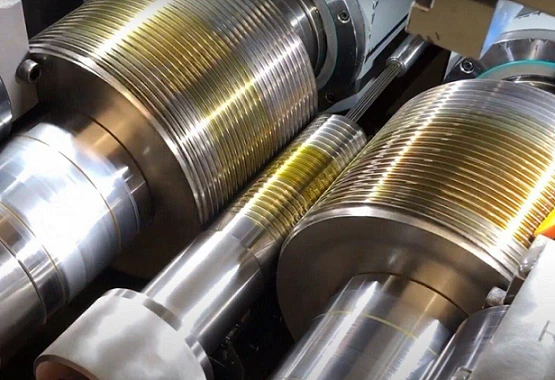
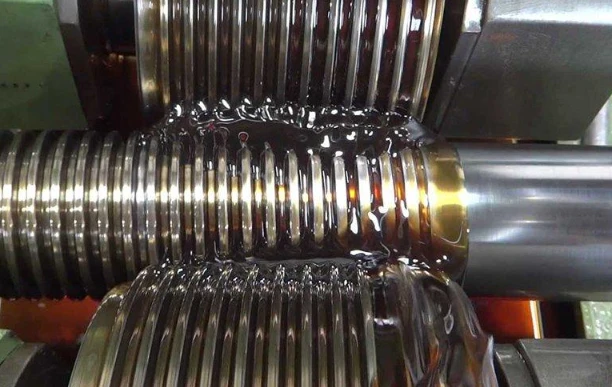
Key Benefits of Cold‑Drawn Surface for Subsequent Thread‑Rolling Process
Consistent Blank Dimension for Uniform Thread Profile
Cold‑drawn Inconel 718 rods achieve tight diameter tolerance and excellent roundness. Uniform blank dimension across full bar length prevents uneven thread height, incomplete thread profile and local over‑rolling defects during thread‑rolling operation.
High‑Quality Defect‑Free Surface Avoids Thread Failure
Hot‑rolled bars normally carry scale, local laps and surface irregularities. Cold‑drawn surface eliminates these risks. Defect‑free bar surface avoids crack initiation points on thread root and flank after thread rolling, greatly improving thread integrity.
Optimized Ductility Supports Cold Forming of Thread Rolling
Controlled cold‑draw deformation plus stress‑relief treatment delivers homogeneous hardness and uniform microstructure. Material obtains proper ductility for thread‑rolling cold forming. Thread‑rolled threads maintain continuous metal grain flow rather than severed grain structure from turning process, delivering much higher thread fatigue strength.
Reduce Customer Pre‑processing Workload
GNEE supplied cold‑drawn Inconel 718 rods can be directly loaded onto customer thread‑rolling machines. Customers save time‑consuming grinding, peeling and descaling procedures, lowering production cost and shortening overall manufacturing lead‑time for fastener parts.
Applicable Standards and Complete Material Traceability
This batch of Inconel 718 cold‑drawn round bars follows international superalloy specifications for global fastener‑manufacturing clients:
- Rod Specification: ASME SB637, UNS N07718 (Inconel 718)
- Melting Practice: Vacuum arc remelted (VAR) or vacuum induction melting + electroslag remelting (VIM+ESR) available upon requirement
- Mechanical Requirements: Tensile, yield, elongation and hardness tested in accordance with ASME SB637
- Non‑Destructive Testing: Ultrasonic testing (UT) for internal discontinuities; eddy‑current testing (ET) for surface defects as per customer request
Full traceability chain is built from original heat number of billet to finished rod products. Shipment documents include EN 10204 3.1 material test certificates. Third‑party witness inspection can be organised to issue 3.2 certificates per end‑user demand. We strictly manage melting stock and heat‑lot separation to prevent cross‑lot mixing which is a common risk in superalloy procurement.
Critical Process Control Points for GNEE Cold‑Drawn Inconel 718 Rods
Inconel 718 is high‑strength precipitation hardening superalloy with high cold‑working resistance, which brings special challenges for cold‑drawing production.
Multi‑pass low‑reduction drawing strategy: Excessive single‑pass reduction will cause surface tearing and internal micro‑cracks. We distribute total deformation over multiple drawing passes to protect surface integrity and internal metallurgical quality.
Special lubrication system for nickel superalloy: Ordinary drawing lubricant cannot satisfy Inconel 718 cold forming. Custom high‑pressure lubricant is applied to form stable isolation layer between die and alloy surface to minimise friction‑related surface damage.
Accurate stress‑relief temperature & holding‑time control: Improper heat‑treatment parameters will either leave excessive cold‑work residual stress or trigger premature undesirable phase precipitation. Strict furnace temperature calibration and time control keep balanced hardness and ductility, which is decisive for downstream thread‑rolling performance.
Full‑length surface monitoring after each pass: Even tiny scratches introduced during drawing can evolve into crack sources after thread rolling. Every bar is inspected after drawing pass, defective pieces will be rejected or reworked before entering next manufacturing step.
Why Choose GNEE ASME SB637 N07718 Cold‑Drawn Rods?
This thread‑rolling‑oriented Inconel 718 order reflects GNEE's "Engineering‑First" operation philosophy, which differentiates us from ordinary alloy material traders.
We do not merely quote price against size and standard. At early inquiry stage, our technical team performs manufacturability review. We evaluate customer downstream application including thread‑rolling parameters, required tolerance, target hardness and final fastener service conditions. Where optimisation space exists, we clearly communicate technical trade‑offs to customer and confirm process route before releasing formal order.
Our superalloy metallurgical engineers cooperate closely with qualified production facilities. Beyond standard cold‑drawn Inconel 718 rods, we can adjust dimension, tolerance, surface condition and heat‑treatment state according to client requirements, supporting hot‑finished, peeled, centreless‑ground and other delivery conditions.
Apart from Inconel 718 round bars, GNEE supplies comprehensive portfolio of nickel‑base superalloy products including Inconel 625, Inconel 600, Incoloy 800HT, Monel 400 bars, plates, sheets, forgings and custom semi‑finished blanks. We support custom sizes, full‑scope NDT, third‑party witness inspection and complete export document services for worldwide industrial customers.
If you are sourcing ASME SB637 N07718 Inconel 718 cold‑drawn rods for thread‑rolling fastener production, high‑strength bolt blanks or precision machining components, please send your dimension, tolerance, heat‑treatment status and working‑condition requirements. Our engineering team will provide detailed quotation and professional technical proposal.
Other Available Inconel 718 Product Forms
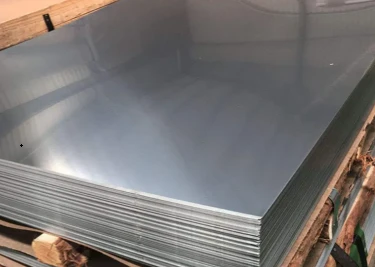
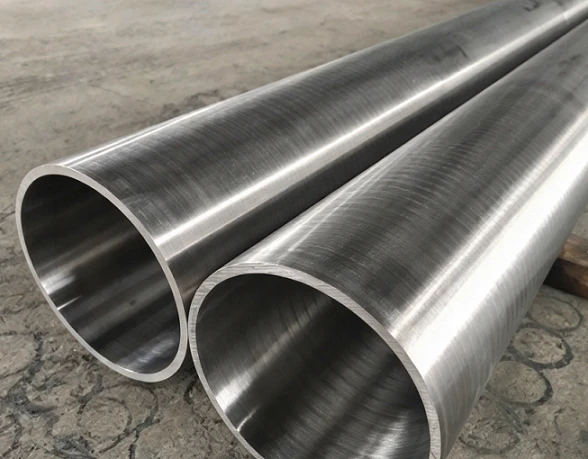
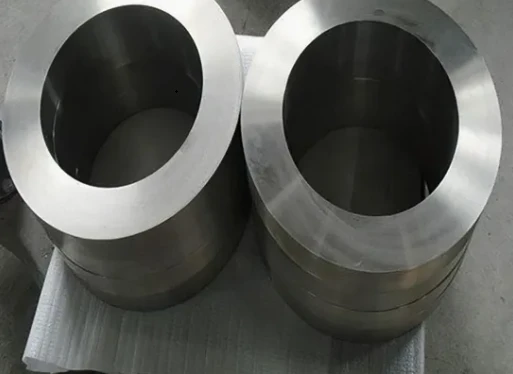
Besides cold‑drawn Inconel 718 round bars for thread rolling, GNEE provides full‑range Inconel 718 (UNS N07718, W.Nr.2.4668) semi‑finished products for aerospace, oil‑gas and energy‑related projects