

Is Hastelloy better than stainless steel?
What is the difference between Hastelloy and stainless steel?
When choosing materials for industrial applications, especially those involving corrosive chemicals or extreme temperatures, the choice often comes down to high-performance alloys like Hastelloy and ubiquitous options like stainless steel. Both materials are known for their durability and corrosion resistance, making them suitable for a wide range of applications from chemical processing to aerospace engineering. However, despite their similarities, Hastelloy and stainless steel have unique characteristics in terms of performance, cost, and suitability for specific environments.
Let's look at the differences between Hastelloy and stainless steel to help you determine which material is best for your next project.
Composition
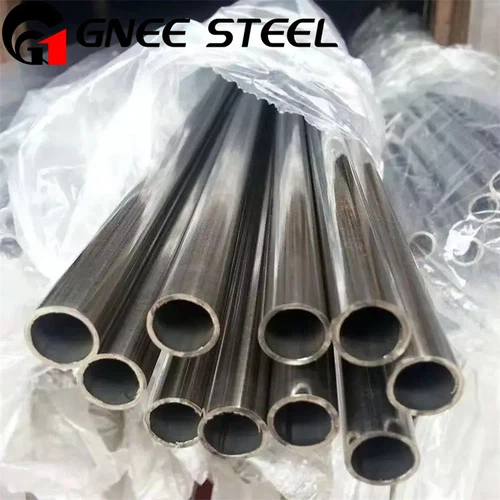
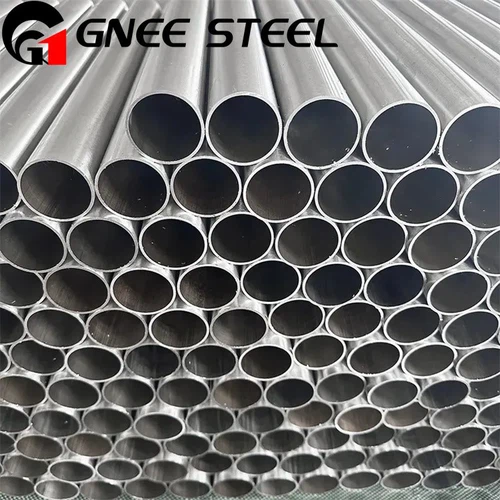
Stainless steel, also known as Inox steel or simply stainless steel, is an alloy made of iron, chromium, and other elements such as nickel and molybdenum. The addition of these elements enhances the properties of stainless steel, making it resistant to corrosion and oxidation. Depending on the grade, stainless steel can contain between 10.5% and 30% chromium and up to 35% nickel.
On the other hand, Hastelloy is a group of alloys composed primarily of nickel, molybdenum, and chromium. It also contains small amounts of iron, tungsten, cobalt, and carbon. However, unlike stainless steel, Hastelloy's main component is nickel, which gives it excellent corrosion resistance in a variety of environments.
Corrosion Resistance
Stainless steel has excellent corrosion resistance, especially when exposed to acidic and alkaline solutions. The chromium content forms a protective oxide layer on the surface of stainless steel, preventing it from rusting or corroding. However, this resistance is not absolute and can still be reduced when exposed to harsh chemicals or high stress levels.
Hastelloy has a higher corrosion resistance due to its nickel content. This difference makes it suitable for use in highly corrosive environments such as chemical processing plants and oil rigs.
Strength and Durability
Stainless steel is a very strong material with high tensile strength, which makes it ideal for load-bearing structures. It also has good ductility, which means you can easily form it into different shapes without losing strength. However, some grades of stainless steel may have lower strength and corrosion resistance due to lower chromium and nickel content.
Hastelloy is much stronger than stainless steel due to its higher nickel and molybdenum content. This makes it suitable for use in extreme environments with high temperatures and pressures.
Cost
One of the main differences between Hastelloy and stainless steel is the cost. As a high-performance alloy, Hastelloy is significantly more expensive than stainless steel. This is due to its complex composition and manufacturing process, which involves high-temperature melting, casting, forging, and forming. On the other hand, stainless steel is widely available and relatively easy to produce, making it a more affordable option.
Hastelloy and stainless steel offer unique advantages in corrosion resistance, strength, and durability, making them valuable choices for a variety of industrial applications. Hastelloy has excellent corrosion resistance and strength, making it well suited for environments with extreme temperatures, pressures, and corrosive materials. On the other hand, stainless steel offers a cost-effective solution with adequate performance for many standard applications. Ultimately, choosing between Hastelloy and stainless steel will depend on the specific requirements of the project, including environmental conditions, life expectancy, and budget constraints.
Gnee Steel can provide high-quality solutions for orbital welding equipment using Hastelloy or stainless steel materials. Contact us today to learn more about our products and services.


