

INCONEL Alloy 22 vs Alloy C276: Which Should You Choose?
Corrosion is the enemy of metal parts. The superior corrosion resistance of nickel alloys is just one reason they are ideal for critical, high-stress and/or high-temperature applications where component failure could be catastrophic. But even among these superior alloys, some stand out. Today, we'll look at two very similar alloys that have been specially formulated to resist corrosion: INCONEL 22 alloy and C276 alloy.
The Complexity of Corrosion
In the simplest layman's terms, corrosion is the oxidation of metals after exposure to an irritant. The metal deteriorates, becomes brittle, and eventually breaks. Corrosion is one of the leading causes of component failure. In critical applications such as waste disposal, nuclear energy production, and the aerospace industry, corrosion can have costly and dangerous consequences.
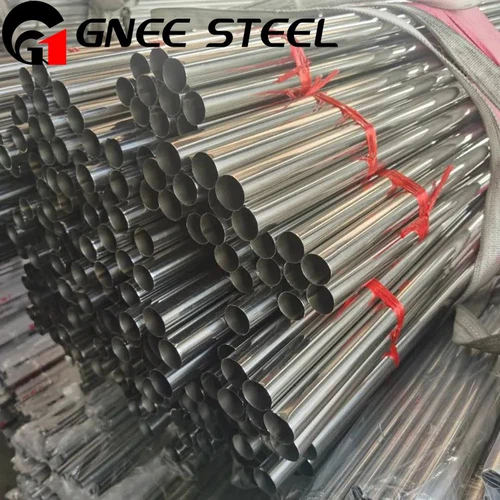
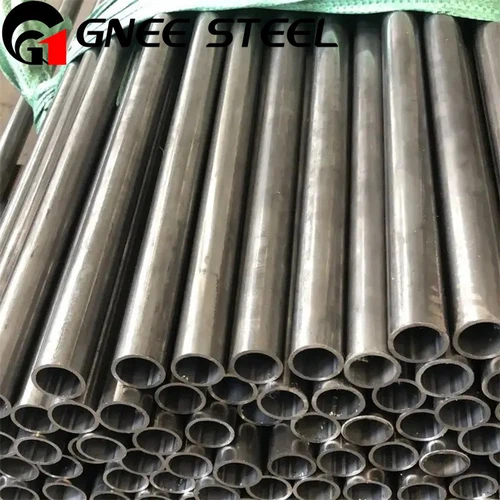
Corrosion is difficult to prevent and predict because it is affected by a variety of factors. Metals are attacked by oxidants such as chlorine, oxygen, and hydrogen peroxide, as well as various acids such as hydrochloric, sulfuric, phosphoric, acetic, and formic acids. Corrosion is accelerated by high temperatures and exacerbated by the presence of contaminants-which may not be detectable.
Why are nickel alloys so corrosion-resistant? The answer lies in the name. When nickel is exposed to corrosive media, it forms a layer of nickel oxide that effectively protects the metal from further damage. This property continues to work even at extremely high temperatures. This is the super strength of nickel alloys.
Alloy 22 and Alloy C276: Chromium is the Key
Alloy 22 and Alloy C276 are very similar in many ways. They are both nickel-molybdenum-chromium alloys that exhibit excellent corrosion resistance in a wide range of media and temperatures. Both alloys are top choices for parts used in extreme heat and corrosive chemicals. Flue gas desulfurization, waste liquid treatment, chemical processing, and pulp and paper processing are just some of the areas where they share common applications.
What these two alloys have in common is the addition of a powerful corrosion-resistant ingredient: chromium. Chromium enhances the alloy's inherent corrosion resistance just as nickel does. When exposed to oxygen (in fact, when the system is first put into operation), the chromium reacts to form a dense protective layer of chromium oxide. This protective layer is stable and non-reactive, so it is unlikely to be affected even if it comes into contact with chemicals. Therefore, it effectively provides the alloy with an additional corrosion protection barrier.
It is no surprise, then, that all stainless steels contain at least 10-11% chromium. Alloy 22 has a higher chromium content of 22%-22.5%, while C276 has 14.5%-16.5%. This is one of the main reasons why they perform so well in corrosive environments. The difference in chromium content is one of the biggest differences between them. We will come back to this later.
Further Strengthening: Molybdenum
While nickel and chromium are strong in corrosion resistance, molybdenum has unique advantages. Although molybdenum is not resistant to oxidizing media, it provides additional protection in reducing media such as sulfuric and hydrochloric acids. These are common ingredients in applications such as sanitary, chemical, and paper/pulp processing.
Molybdenum works even better when paired with chromium, helping to protect against crevice corrosion, pitting, and other forms of localized corrosion damage. But this is only true in combination: Molybdenum alone is not enough to enhance the alloy's corrosion resistance in oxidizing environments, and often weakens its performance.
Alloy 22 and Alloy C276 contain molybdenum in addition to chromium. Alloy 22 contains 12.5%-14.5% molybdenum, while C276 contains a higher content of 15%-17%.
Tungsten Advantages
Tungsten performs much the same function as molybdenum, making the alloy more stable. But tungsten has unique advantages in extreme temperatures, enhancing the alloy's resistance to stress corrosion cracking as well as oxidation, carburization, nitridation, and halogenation. Alloy 22 has 2.5% to 3.5% tungsten, while C276 has 3% to 4.5%.
Similarities and Differences
So far, we've seen that Alloy 22 and C276 have significant similarities. They have higher chromium contents than standard stainless steels, and both gain additional corrosion resistance from the addition of molybdenum and tungsten. Of course, they also benefit from the heat resistance and corrosion resistance of nickel. So it's no surprise that they have so many applications in common.
When it comes to reducing environments (media such as formic acid, oxalic acid, and phosphorous acid), you'll find that the two alloys perform almost identically. There's little to choose between them, so you can choose based on other factors such as price, form, and availability.
But in oxidizing environments (including very high temperatures), Alloy 22 clearly wins. This is because it has a much higher chromium content than C276: at least 5.5%. The protective effect of chromium is similar to that of nickel, and is effective in both reducing and oxidizing environments. Therefore, the higher the chromium content, the more corrosion resistant the alloy is.
If you are selecting an alloy for use in a harsh, reducing environment, Alloy 22 is the clear choice. Its superior corrosion resistance means that components made from this alloy will fail less often and last longer before needing replacement. This is a vital safety measure that also makes more economic sense in the long run. It's no wonder that Alloy 22 is widely considered the "upgrade" to Alloy C276.
Wondering which nickel alloy is right for you? Contact a member of your team. We'll be happy to advise you on the best option for your specific application.


