

What is the difference between alloy 925 and 825?
Alloy 925 is a nickel-iron-chromium alloy from the INCOLOY family. It is age-hardenable and, like all high-performance nickel alloys (superalloys), is tough, durable, and versatile, maintaining excellent performance in hot, cold, and corrosive conditions. Nickel alloys are a safe, durable, and cost-effective choice for harsh environments. They are well suited for high-pressure, high-risk industries such as aerospace, chemical, and petrochemical.
Alloy 925 is an alloy of copper, molybdenum, aluminum, and titanium that has been specially developed to combine strength and corrosion resistance. The chemical composition of this superalloy makes it highly stable, maintaining its mechanical properties up to 650°C. It is equally stable at cryogenic temperatures, defined as -150°C to absolute zero.
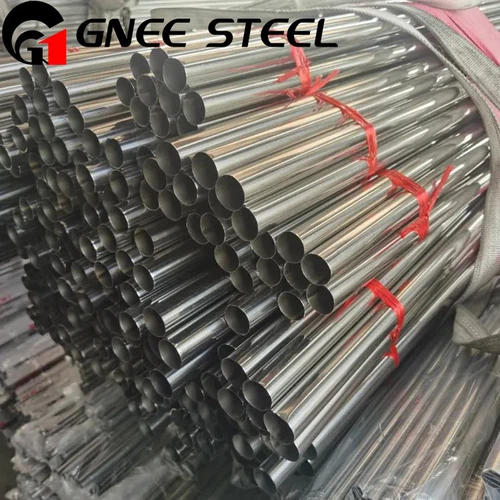
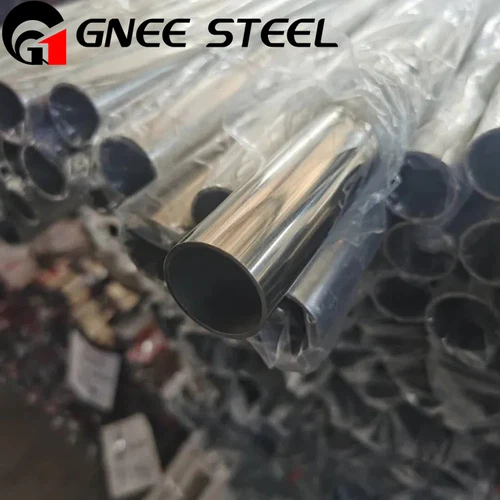
Alloy 925 is age-hardened (also known as precipitation hardening) before leaving the factory. Heat treatment promotes a strengthening reaction between the titanium and aluminum elements, which improves fatigue properties and performs well in extreme conditions. This makes it a popular choice for applications in the oil and gas industry.
Corrosion Resistance
Individual elements in INCOLOY 925 alloy give it different properties that enhance its corrosion resistance. Nickel protects the alloy from chloride stress corrosion cracking. Chloride stress corrosion cracking is a type of intergranular corrosion that occurs when a metal is subjected to tensile stress in a high-temperature environment with oxygen and chloride ions.
Nickel also combines with copper and molybdenum to make the alloy highly resistant to corrosion from reducing agents such as hydrochloric, sulfuric and phosphoric acids. Molybdenum alone also helps prevent crevice and pitting corrosion – localized damage that can penetrate deep into the metal.
All of these elements combined make 925 alloy extremely resistant to general, intergranular and localized corrosion, and stress corrosion cracking in both oxidizing and reducing environments. It also resists sulfide stress cracking, which is caused by tensile stress, high temperatures and diffusible hydrogen: a significant risk in oil and gas production.
This makes 925 alloy a natural choice for "sour" environments containing hydrogen sulfide. It is also suitable for environments containing phosphoric and sulfuric acids and seawater.
Mechanical Properties
INCOLOY 925 alloy has excellent tensile, creep-rupture and yield properties. These properties remain stable at high temperatures and in corrosive environments, allowing it to function properly even under harsh conditions.
The tensile and yield properties of 925 alloy mean that it can withstand high mechanical loads even at extremely high temperatures without stretching, deforming and ultimately breaking.
The excellent creep resistance of 925 alloy means that parts made from this alloy can resist deformation for longer when subjected to repeated stress (low-cycle fatigue) for a long time in a high-temperature environment. This not only extends the service life of the component itself, but also extends the service life of the entire system, making operation safer and more convenient. It also improves cost-effectiveness and reduces maintenance and downtime due to less frequent component replacement.
INCOLOY 925 ALLOY USES
925 alloy also resists post-weld cracking, making it ideal for welding using conventional processes. Gas tungsten arc welding and gas metal arc welding are recommended. INCONEL 725 alloy welded products are ideal for these processes. Submerged arc welding and stick arc welding should be avoided when using 925 alloy.
925 alloy has good ductility and can be easily formed using any standard process, but its higher strength requires more power than other metals. If the alloy is hot worked, a temperature range of 870 to 980°C will ensure its best corrosion resistance and strength.
APPLICATIONS
The ideal application area for 925 alloy is where high strength and excellent corrosion resistance are required, so it is often used in the oil and gas industry. Its excellent operability in "sour" environments makes it commonly used in downhole and surface gas well components: valves, hangers, tool joints, landing nipples, packers and tubular products.
Alloy 925 is also a popular choice for marine environments, especially for fasteners and pump shafts. Its resistance to reducing and oxidizing agents makes it suitable for high-strength piping systems.
Similar alloys
Incoloy 925 was introduced by Special Metals in 1982. The alloy was an improvement on Alloy 825, which combined heat and corrosion resistance while remaining affordable and versatile. However, while Alloy 825 retains its mechanical properties at low temperatures and can be further strengthened by cold working, these properties tend to change at temperatures above 540°C, limiting its application areas. The addition of titanium and aluminum addresses this limitation, significantly improving the strength of Alloy 925, especially in heat treatment reactions.
Among high-performance nickel alloys, INCONEL 718 and INCONEL 725 also have excellent strength, good ductility, and resistance to stress corrosion cracking in high temperature and/or corrosive environments. These alloys are also commonly used in oil and gas production and marine environments.


