

At first glance, GH3030 (equivalent to Nimonic 75) and Inconel 600 (Alloy 600) appear almost identical. Both are basic 80/20 nickel-chromium alloys designed for extreme high-temperature environments. However, choosing the wrong alloy can lead to significant losses.
Pain Point: Many purchasing managers use GH3030 for high-temperature environments simply because it's a "superalloy." But in environments containing special gases or exceeding 800°C, using GH3030 where Inconel 600 should be can lead to rapid pipe wall perforation, localized melting, and ultimately catastrophic system failure.
As a Tier 1 supplier, Gnee Steel can help you navigate this complexity, find the most cost-effective solution, and ensure structural integrity.
Click to select materials for your project application (Gh3030)
Comparison of corrosion resistance between GH3030 and Inconel 600
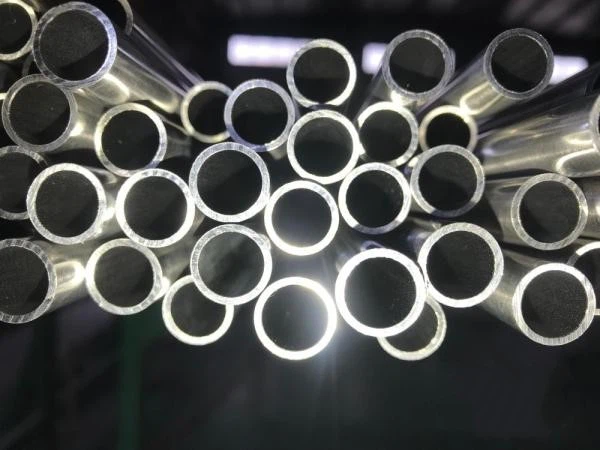
Comparison of corrosion resistance between GH3030 and Inconel 600
Both GH3030 and Inconel 600 are nickel-chromium-based superalloys designed for high-temperature environments, exhibiting excellent oxidation and corrosion resistance. In many applications, their performance is similar, and they are often used interchangeably.
Inconel 600 is a Western-designed alloy (UNS N06600) commonly used in the nuclear and chemical industries; while GH3030 is a solid-solution-strengthened alloy conforming to Chinese national standards (GB) and widely used in aerospace combustion chambers.
Will Inconel 600 rust?
The high nickel content of Inconel 600 alloy makes it resistant to corrosion from a variety of organic and inorganic compounds, and it is virtually free from chloride stress corrosion cracking.
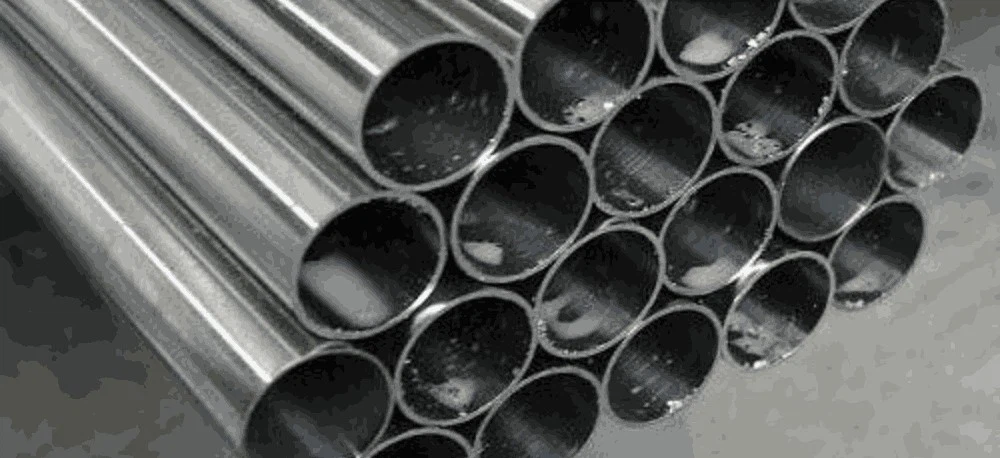
Description of GH3030 and Inconel 600 alloy
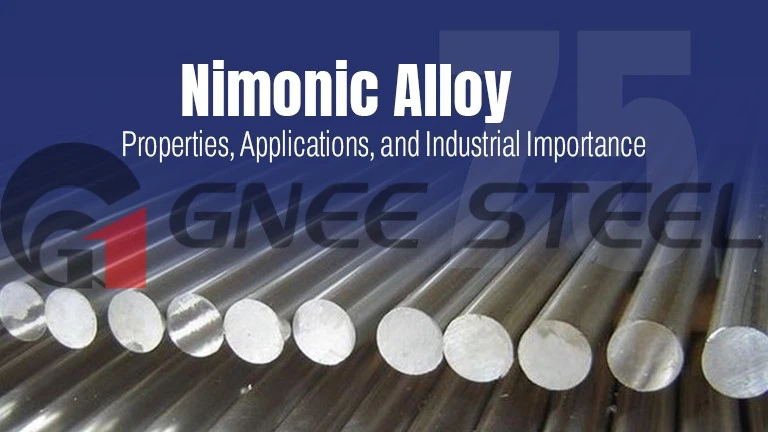
GH3030: A Leader in Oxidation Stabilization (< 800°C)
GH3030 is a solid solution strengthened alloy, specially modified with titanium (Ti).
Advantages of Titanium: As a grain stabilizer, titanium forms a dense and strongly adhered oxide layer, effectively preventing oxygen penetration into the metal matrix at temperatures up to 800°C.
Commercial Advantages: For purely heat-resistant applications with minimal impact from mechanical loads and chemical corrosion, GH3030 is often an economical choice.
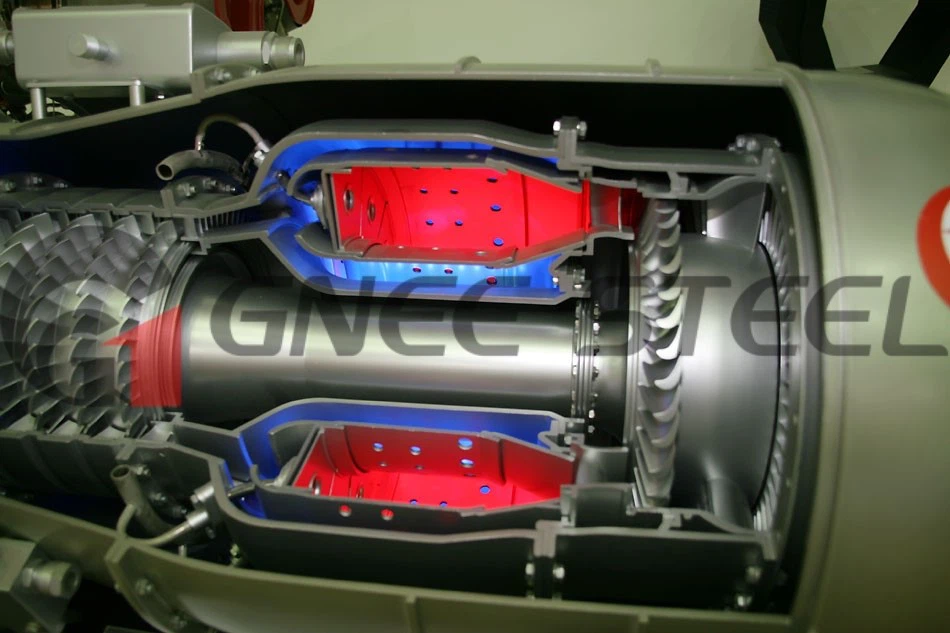
Best Applications: Static combustion linings, industrial furnace baffles, and aerospace heating elements.

Inconel 600: A Leader in Harsh Chemical Environments
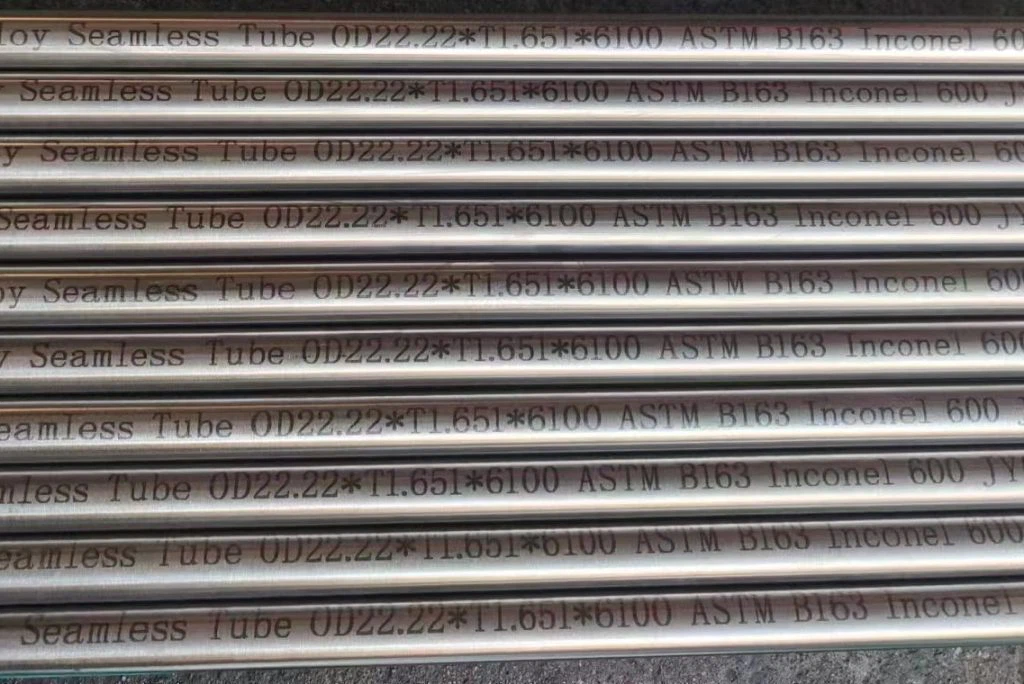
Inconel 600 (UNS N06600) is designed to maintain stability in environments where standard alloys are prone to disintegration.
Exceptional Corrosion Resistance: Inconel 600 is the industry benchmark for resistance to stress corrosion cracking (SCC) and nitriding atmospheres.
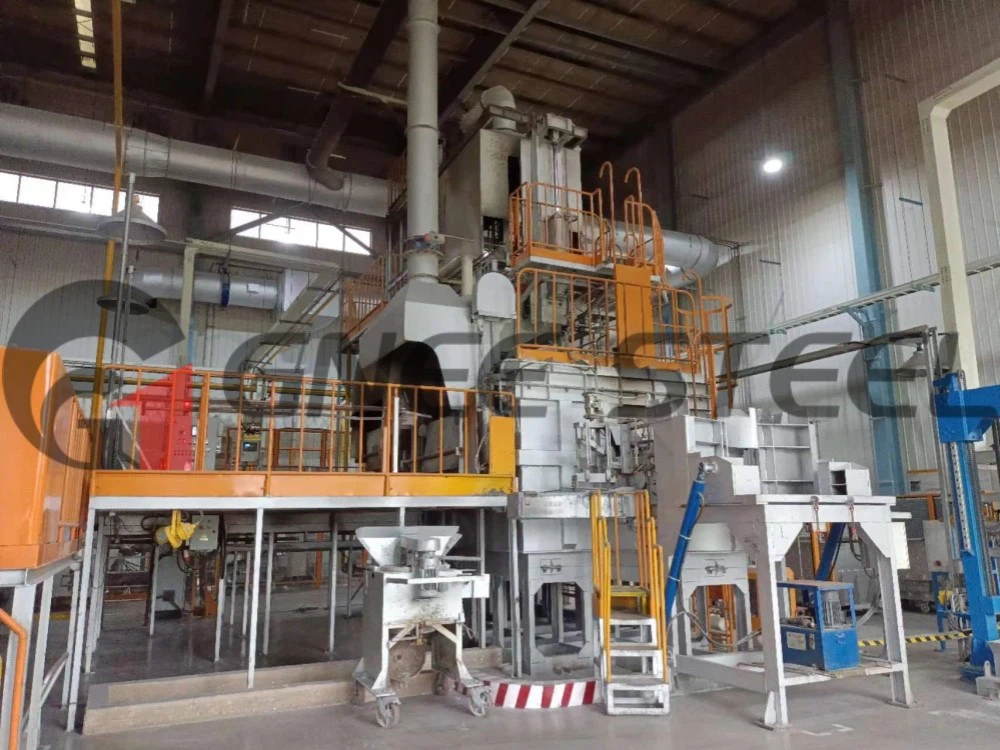
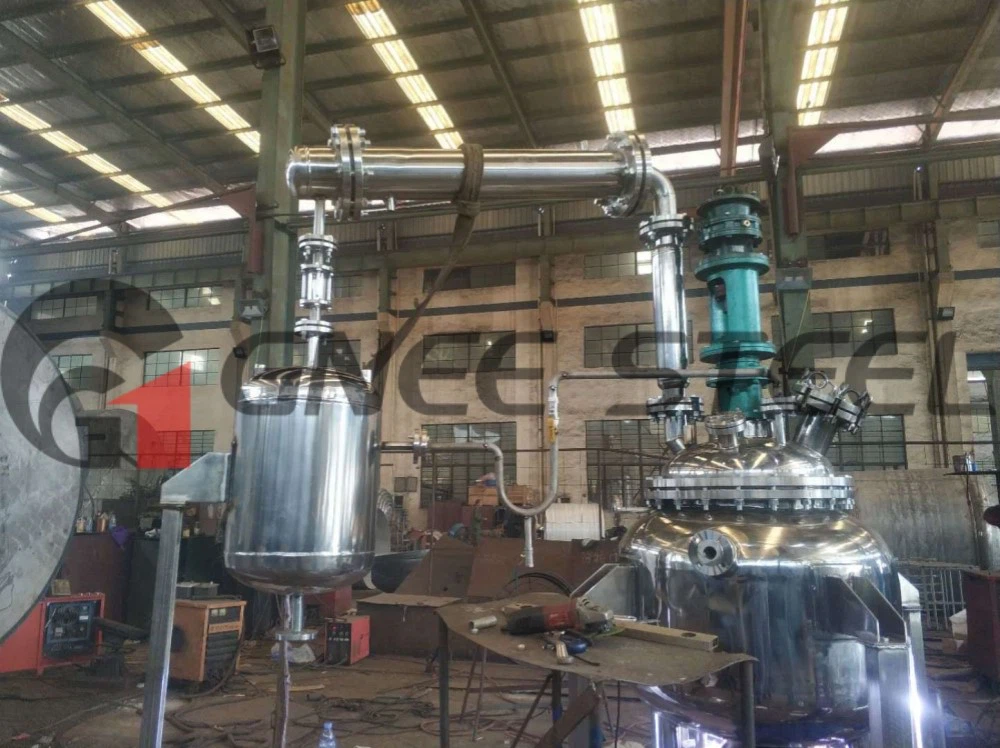
Optimal applications: Chemical reactors, furnaces operating in reducing atmospheres, and nuclear engineering.
High-temperature stability: GH3030's performance degrades above 850°C, while Inconel 600 maintains industrial durability up to 1100°C in static environments.

3. Technical Benchmarking: GH3030 vs Inconel 600
| Technical Feature | GH3030 (Nimonic 75 Equivalent) | Inconel 600 (Alloy 600) | Commercial Impact |
| Primary Strengthening | Titanium (Ti) Additions | Iron (Fe) / Ni-Cr Matrix | Ti in GH3030 stops grain growth. |
| Max Service Temp | 800°C (1472°F) | 1100°C (2012°F) | Inconel 600 for extreme heat. |
| Oxidation Resistance | Excellent below 800°C | Superior up to 1100°C | GH3030 is more cost-effective. |
| Chemical Resistance | Low (Air/Steam only) | High (SCC & Nitriding) | Inconel 600 for chemical reactors. |
| Weldability | Superior (Solution State) | Excellent (General purpose) | Both offer high fabricability. |
| Yield Strength (MPa) | ≥ 245 MPa | ≥ 240 MPa | Similar mechanical base. |
4. Chemical composition (by weight) of GH3030 and Inconel 600
| Element | GH3030 | Inconel 600 (UNS N06600) | Key Difference |
|---|---|---|---|
| Nickel (Ni) | Balance (≥ 75.0) | ≥ 72.0 | GH3030 slightly higher Ni |
| Chromium (Cr) | 19.0 – 22.0 | 14.0 – 17.0 | GH3030 higher Cr |
| Iron (Fe) | ≤ 1.5 | 6.0 – 10.0 | Inconel 600 has much higher Fe |
| Titanium (Ti) | 0.15 – 0.35 | – | GH3030 unique |
| Aluminum (Al) | ≤ 0.15 | – | GH3030 unique |
| Carbon (C) | ≤ 0.12 | ≤ 0.15 | Similar |
| Manganese (Mn) | ≤ 0.70 | ≤ 1.00 | Similar |
| Silicon (Si) | ≤ 0.80 | ≤ 0.50 | GH3030 higher Si |
| Phosphorus (P) | ≤ 0.030 | ≤ 0.030 | Similar |
| Sulfur (S) | ≤ 0.020 | ≤ 0.015 | Inconel 600 stricter |
| Copper (Cu) | ≤ 0.20 | ≤ 0.50 | Similar |
| Cobalt (Co) | – | – | Neither contains significant Co |
Click to download the GH3030 alloy PDF file now
5. Physical characteristics of GH3030 and Inconel 600
| Property | GH3030 | Inconel 600 |
|---|---|---|
| Density | 8.4 g/cm³ | 8.42 – 8.47 g/cm³ |
| Melting Range | 1374 – 1420°C | 1354 – 1413°C |
| Thermal Conductivity (20°C) | 14 – 15 W/m·K | 14.9 W/m·K |
| Coefficient of Thermal Expansion (20-100°C) | 12.8 × 10⁻⁶/°C | 13.3 × 10⁻⁶/°C |
| Specific Heat (20°C) | 460 – 500 J/kg·K | 444 J/kg·K |
| Electrical Resistivity (20°C) | 1.20 – 1.30 µΩ·m | 1.03 µΩ·m |
| Magnetic Properties | Non-magnetic | ~1.01 (slightly magnetic) |
6. Comparison of corrosion resistance between GH3030 and Inconel 600
| Environment | GH3030 | Inconel 600 |
|---|---|---|
| Oxidizing Atmospheres (up to 1000°C) | Excellent | Excellent |
| Nitric Acid | Good to Excellent | Good to Excellent |
| Phosphoric Acid | Good | Good |
| Sulfuric Acid (dilute) | Fair | Fair |
| Hydrochloric Acid | Poor | Poor |
| Alkaline Solutions | Good | Good |
| Chloride Stress Corrosion Cracking | Moderate | Moderate |
| Seawater | Limited | Limited |
Contact our professionals to recommend the right alloy for your project
7. Choosing Between GH3030 and Inconel 600 Alloys
If you are manufacturing combustion chamber linings, furnace baffles, or radiant tubes in an oxidizing atmosphere at temperatures below 800°C, choose GH3030 tubing/plate. This is the most cost-effective solution, maximizing your return on investment.
If your equipment handles chloride media, corrosive alkalis, or operates in nitriding/reducing atmospheres up to 1100°C, choose Inconel 600 tubing/plate. In this case, the higher initial investment in Inconel 600 helps prevent premature material failure.
Why Choose Gnee Steel's GH3030 Products?
Never risk using "commercial-grade" materials. Choose us to ensure a secure and reliable high-performance supply chain:
✅️VIM + ESR Melting: Ensures ultra-clean, zero-inclusion materials, maximizing fatigue life.
✅️MTC 3.1 Traceability: Provides complete EN 10204 3.1 certification, detailing the content of every gram of titanium and chromium.
✅️Wholesale Pricing: Factory direct pricing available for large energy and industrial projects.
✅️Global Logistics: Special packaging ensures fast shipping and prevents surface contamination.
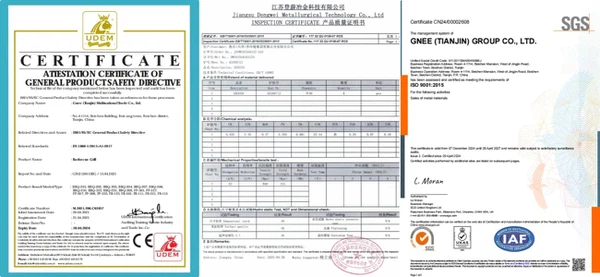
Gnee Steel GH3030 Certificate
📦 Packaging and Shipping
All Nickel Based Alloy products are packaged using the following methods:
Wooden pallets or crates
Moisture-proof packaging
Labels with furnace number, standard, and size labels
Shipped worldwide by sea, air, or express
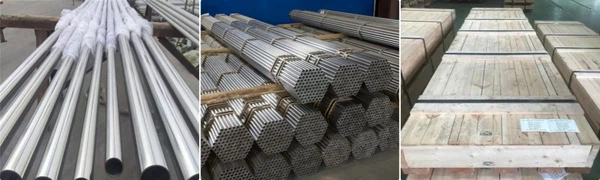
Gnee Steel GH3030 Product Packing
Contact us for the latest export price quote for GH3030 Alloy
FAQ
Q1: Can GH3030 replace Inconel 600 in a chemical reactor?
A: Generally, NO. GH3030 lacks the specific elemental balance (Iron and high Nickel stability) required to resist stress-corrosion cracking and nitriding common in chemical processing.
Q2: Why is GH3030 often easier to weld for complex liners?
A: GH3030 has a single-phase austenite structure with very low carbon, making it exceptionally ductile. It is one of the most weldable superalloys, which reduces your total Custom Fabrication labor costs.
Q3: Does Inconel 600 provide better creep strength?
A: Inconel 600 has better creep resistance at temperatures above 900°C compared to GH3030. However, for loads under 700°C, both perform similarly.
Q4: Do you offer bulk discounts for furnace overhauls?
A: Absolutely. As a leading Wholesale Supplier, we offer tiered pricing and inventory reserves for long-term maintenance partners.


