

What Is Stainless Steel Flange?
Stainless Steel Flanges
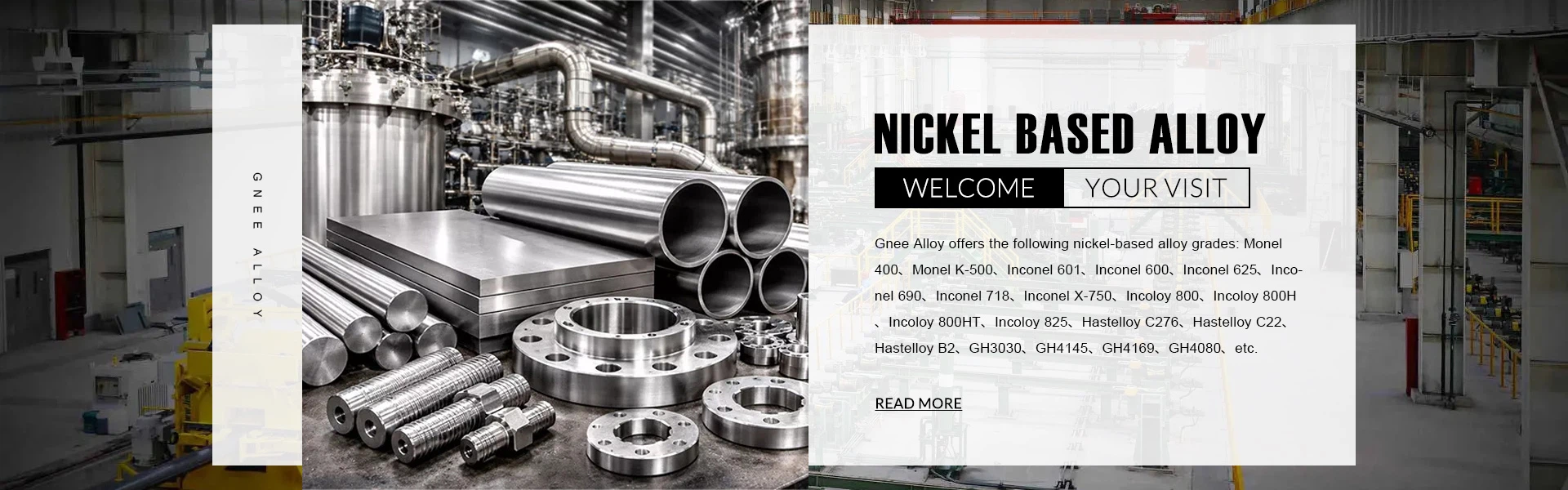
Stainless Steel Flanges are available in different grades, each with unique qualities and benefits. The overwhelmingly most common are 304 and 316 as defined by ASTM.
Popular flange options in the industry include Slip On, Weld Neck, Blind, Long Weld Neck, Threaded, and Orifice Flanges. Flanges are an essential part of industrial equipment used to connect pipes, valves, and other machinery.
They offer ease of cleaning, maintenance, and inspection, In high-load industries where temperature and pressure is a concern, selecting the right flange is crucial, as it can be a weak point in the structure.Various methods can be used to connect Stainless Steel Flanges to piping systems depending on the application, pressure, and temperature requirements.Typically they are similar to commodity carbon steel connections, but some special weld procedures are often necessary. When browsing the market for stainless steel flange fittings, it is important to understand the types available and their unique characteristics.
Stainless steel flanges – Types and applications
Slip on Flanges:
A Slip On Flange is a flange variety that covers the pipe's end and has a face that extends beyond the end, thus enabling a weld bead on its inner diameter. Typically,
it is utilized for low-pressure and low-temperature scenarios, and it is more cost-effective and straightforward to install when compared to a welded flange.
Weld Neck Flanges:
Weld neck flanges are a great selection for systems that require higher pressure. Specifically, they are used for connecting piping systems through a welding process and have become a popular choice for expansion joints and devices that transfer heat.
Blind Flanges:
A circular plate (or reinforced disc) known as a Blind Flange, is designed to prevent piping systems and containers from being impacted by internal pressure. This stainless-steel component is popular in the chemical industry and can assist with frequent inspections.
Threaded Flanges:
Frequently utilized in applications involving low pressure and temperature, this mechanism facilitates simple maintenance and disassembly, or for when an existing male NPT pipe needs a connection without warranting a replacement.
Lap Joint Flanges:
Lap Joint Flanges are well-suited for situations that necessitate frequent inspection and upkeep because they effortlessly slide over the pipe and synchronize with Stub End Fittings. This slidable style of flange is both convenient and economical.
Socket Weld Flanges:
Socket Weld Flanges are very dependable and appropriate for high-pressure piping with a small diameter. The internal welds strengthen and fortify the flanges, making them useful in the chemical processing sector, and are popular when assembly space is a concern.
Orifice Flanges:
Orifice flanges made of stainless steel are flanges created to be used in systems that need specific flow measurement or regulation. Different variations of orifice flanges come in diverse types and sizes.
It is necessary to select the appropriate type considering the fluid being transported, the necessary flow rate, system pressure, and temperature.


