

In many high-temperature applications, heat resistance is only half the challenge. If your environment contains mildly corrosive media or special gases, standard stainless steel and lower-grade heat-resistant alloys will experience intergranular corrosion.
This phenomenon, caused by the loss of chromium at grain boundaries, can lead to sudden, catastrophic failure-cracks will appear even if the metal appears intact.
Common industrial pain points:
* Nitriding and carburizing: In industrial furnaces or chemical reactors, nitrogen and carbon can penetrate the pipe walls, causing them to become brittle and crack.
* Sensitization: Improperly treated alloys can become sensitized at high temperatures, making them susceptible to rapid corrosion.
* Microstructural instability: Thermal cycling can cause grain growth, reducing the industrial durability of the pipe.
Our corrosion-resistant alloy 75 (GH3030) pipe is designed to solve these problems. It's not just about heat dissipation; it's about providing a robust barrier against the erosion of high-temperature corrosive media.
Request a bulk quote for corrosion-resistant alloy 75 pipes
Corrosion-resistant alloy 75 (GH3030) pipe procurement guide

Corrosion-resistant alloy 75 (GH3030) pipe procurement guide
GH3030 (also known as Nimonic 75 or XH78T) is a nickel-chromium based solid solution strengthened high-temperature alloy tube with excellent high-temperature oxidation resistance and corrosion resistance below 800-1000℃. Due to its high plasticity and structural stability, it is widely used in aerospace, gas turbine, and chemical industries.
What is alloy 75 material?
nickel-chromium alloy
NIMONIC® alloy 75 (UNS N06075/W.Nr. 2.4951 & 2.4630) is an 80/20 nickel-chromium alloy with controlled additions of titanium and carbon.
1. GH3030 Stock Specifications
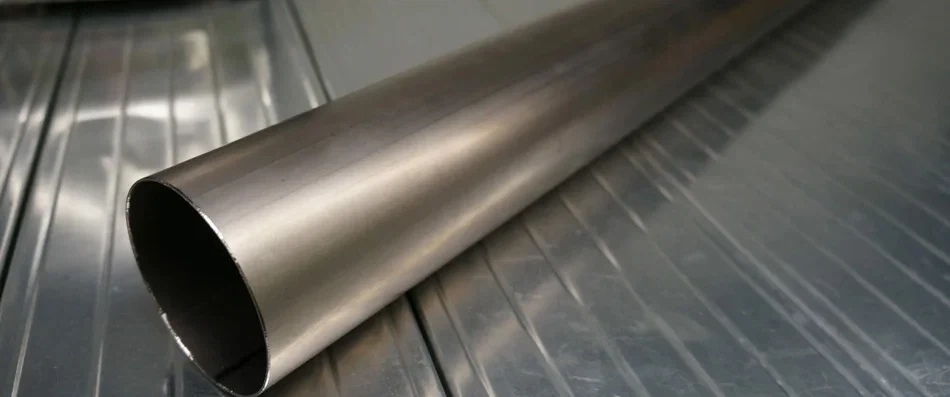
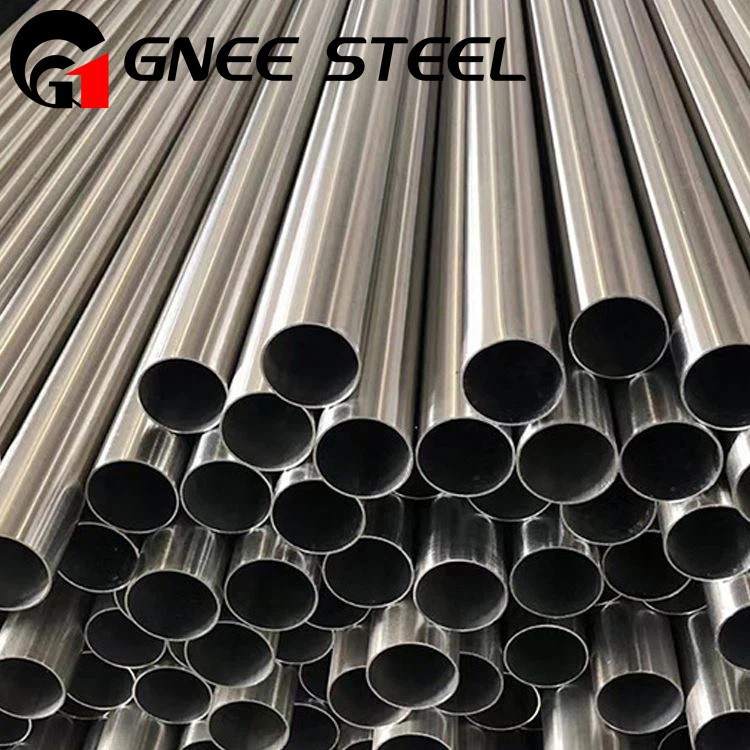
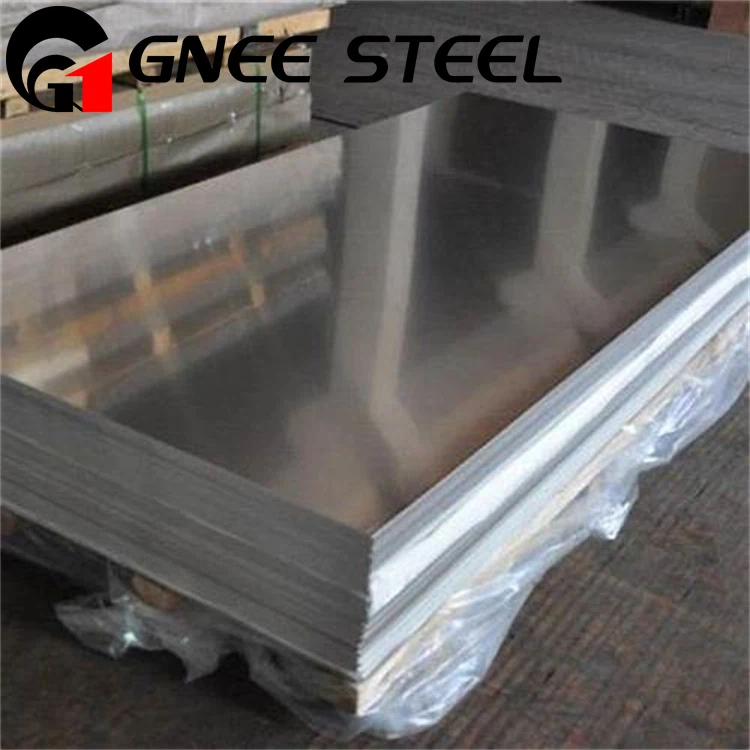
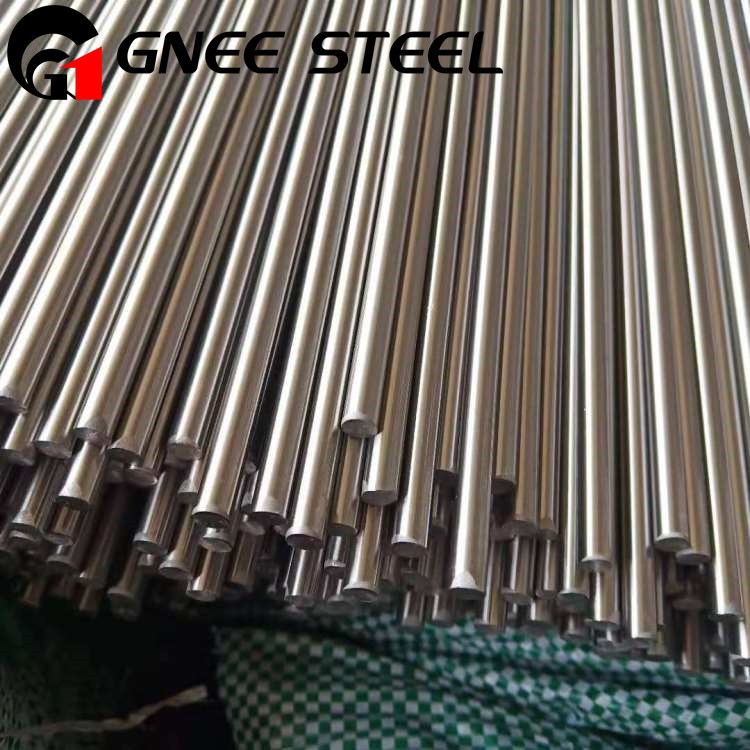
Common Products: Seamless steel pipes, tubes, round bars, plates.
Material Condition: Usually supplied in solution-treated condition.
Main Specifications: ASTM B829.
2. GH3030 Related Standards
China: GH3030 / GH30 / GH3128
Europe/International: Nimonic 75 / UNS N06075
3. GH3030 Pipe Manufacturing Process
The secret to the structural integrity of our Alloy 75 / GH3030 pipes lies in our specialized manufacturing process.
Vacuum Ion Melting (VIM) + Electroslag Remelting (ESR): This dual refining process ensures ultra-clean material with extremely low impurity content (phosphorus, sulfur < 0.010%), which are the main cause of grain boundary problems.
Professional Solution Treatment: We perform precise solution annealing at 1000°C - 1050°C (1832°F - 1922°F), followed by rapid cooling. This process dissolves all chromium carbides, ensuring they remain in the solid solution rather than precipitating at grain boundaries.
Microstructural Stability: The resulting single-phase austenitic structure remains stable even after long-term exposure to corrosive atmospheres.

Vacuum Ion Melting (VIM) + Electroslag Remelting (ESR)
4. Main Technical Specifications of GH3030 Pipe
| Category | Property | Typical Value / Range |
|---|---|---|
| Material | Alloy Grade | GH3030 (Chinese Superalloy) |
| Standards | Reference Standards | GB/T 14992, GB/T 14994, YB/T 5249 |
| Product Form | Tube Type | Seamless |
| Surface Condition | Finish | Annealed & Pickled / Bright Annealed / Polished |
| Delivery Condition | Heat Treatment | Solution Treated / Annealed |
5. Chemical composition of GH3030 pipes
| Element | Content (%) |
|---|---|
| Nickel (Ni) | Balance (≥ 75) |
| Chromium (Cr) | 19.0 – 22.0 |
| Iron (Fe) | ≤ 1.5 (≤ 1.0 for tube) |
| Titanium (Ti) | 0.15 – 0.35 |
| Aluminum (Al) | ≤ 0.15 |
| Carbon (C) | ≤ 0.12 |
| Manganese (Mn) | ≤ 0.70 |
| Silicon (Si) | ≤ 0.80 |
| Phosphorus (P) | ≤ 0.015 – 0.030 |
| Sulfur (S) | ≤ 0.010 – 0.020 |
| Copper (Cu) | ≤ 0.007 – 0.20 |
Click to download the GH3030 alloy PDF file now
6. Mechanical properties of GH3030 alloy (room temperature - solution treated)
| Property | Value |
|---|---|
| Tensile Strength, Ultimate | ≥ 685 MPa |
| Tensile Strength, Yield (0.2% Offset) | ≥ 295 MPa |
| Elongation at Break (5d) | ≥ 30% |
| Hardness (HBW) | ≤ 200 |
7. Physical properties of GH3030 alloy
| Property | Value |
|---|---|
| Density | 8.4 g/cm³ |
| Melting Range | 1374 – 1420°C |
| Modulus of Elasticity (20°C) | ~210 GPa |
| Thermal Conductivity (20°C) | ~14 – 15 W/m·K |
| Coefficient of Thermal Expansion (20-100°C) | 12.8 × 10⁻⁶/°C |
| Magnetic Properties | Non-magnetic |
8. Performance Data: Alloy 75 vs. Standard Alloys
Learn why Alloy 75 (GH3030) is the material of choice for critical chemical reactor internals and heat exchangers.
| Feature | Alloy 75 (GH3030) | Stainless Steel 310S | Stainless Steel 316L |
|---|---|---|---|
| Nitriding Resistance | Excellent | Moderate | Poor |
| Carburization Resistance | Superior | Moderate | Low |
| Intergranular Corrosion Risk | Near Zero (Treated) | High Risk (Sensitization) | Catastrophic at 700°C+ |
| Max Service Temp (Oxidizing) | 800°C – 900°C | 800°C | 600°C |
Why choose to source GH3030 products from Gnee Steel?
✅️Industrial Durability: Our tubes are tested for intergranular corrosion resistance according to international standards.
✅️Compliance: We are fully compliant with ISO 9001 and AS9100 aerospace quality standards, ensuring our materials meet the most critical safety protocols.
✅️Wholesale Pricing: As a Tier-1 Manufacturer, we offer direct factory pricing with a massive In-Stock Inventory for immediate dispatch.
✅️Global Logistics: Fast and secure shipping with expert handling for high-value nickel alloy orders.

Gnee Steel GH3030 Certificate
📦 Packaging and Shipping
All Nickel Based Alloy products are packaged using the following methods:
Wooden pallets or crates
Moisture-proof packaging
Labels with furnace number, standard, and size labels
Shipped worldwide by sea, air, or express
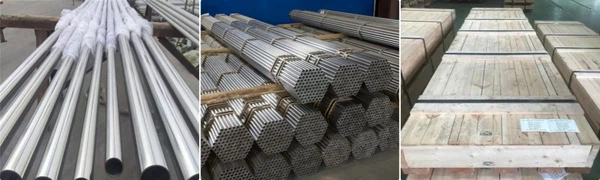
Gnee Steel GH3030 Product Packing
Contact us for the latest export price quote for GH3030 Alloy
FAQ
Q1: How does Alloy 75 handle sulfur-containing atmospheres?
A: Alloy 75 has moderate resistance to sulfur. However, like most high-nickel alloys, it is susceptible to sulfidation at very high temperatures (>600°C). For heavily sulfurized environments, we recommend a technical consultation to determine if a specialized coating is needed.
Q2: Why is the solution treatment (1000°C-1050°C) so critical?
A: This temperature range is the "Sweet Spot" where all chromium carbides are dissolved into the austenite matrix. Without this treatment, the material would be "sensitized," and intergranular corrosion would destroy the tube within weeks of service.
Q3: Can Alloy 75 tubing be used in chemical reactor internals?
A: Absolutely. It is a staple material for internals exposed to hot gases, nitriding atmospheres, and hydrocarbon processing where carbon pickup (carburization) is a concern.
Q4: Do you offer custom diameters for heat exchanger designs?
A: Yes. We specialize in Custom Fabrication and can produce seamless tubing to non-standard outer diameters and wall thicknesses to match your exact thermal engineering calculations.


