

Inconel 686 nickel-based alloy has the characteristics of corrosion resistance and high temperature strength. Its main components are nickel, chromium and molybdenum. Heat treatment process can improve performance. Optimizing processing, surface treatment and heat treatment parameters can improve fatigue life, which is better than stainless steel.
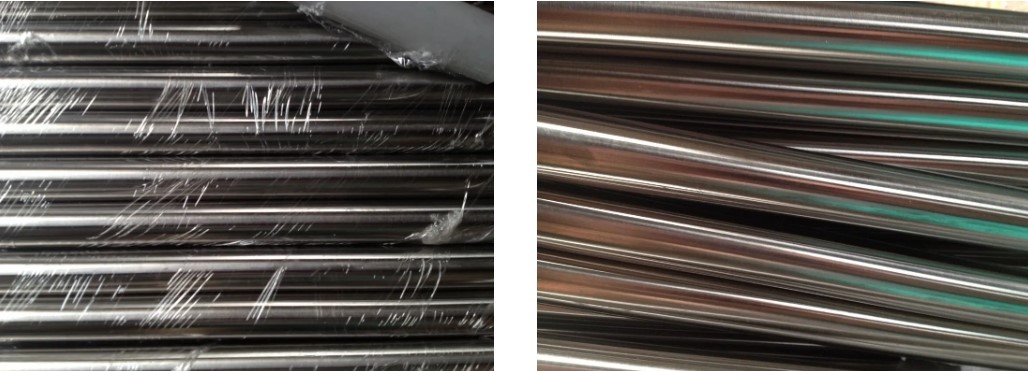
Chemical composition of Inconel 686:
· Nickel (Ni): balance
· Chromium (Cr): 19.0 - 23.0%
· Molybdenum (Mo): 15.0 - 17.0%
· Tungsten (W): 3.0 - 4.4%
· Iron (Fe): maximum 2.0%
· Carbon (C): maximum 0.01%
· Manganese (Mn): maximum 0.75%
· Silicon (Si): maximum 0.08%
· Phosphorus (P): maximum 0.04%
· Sulfur (S): maximum 0.02%
· Titanium (Ti): 0.02 - 0.25%
Inconel alloy 686 heat treatment
Heat treatment is required to achieve its best properties. Heat treatment generally involves heating to a high temperature, holding for a certain period of time, and then cooling in a controlled manner. This process can change the microstructure of the alloy, improving its strength, toughness and other properties.
Inconel 686 alloy processing properties
The alloy can be processed using standard techniques, including milling, drilling, turning and grinding.
How to improve the fatigue life of Inconel 686?
Improving the fatigue life of Inconel 686 is the key to ensuring its excellent performance in dynamic load environments.
The following are feasible measures:
Optimize processing technology: Reduce internal stress by selecting appropriate processing technology (such as cold forming), thereby improving the fatigue durability of the alloy.
Surface treatment: Surface treatment (such as shot peening, nitriding, etc.) can effectively improve surface fatigue strength and reduce the occurrence of cracks.
Control heat treatment parameters: Reasonable selection of heat treatment temperature and time can significantly improve the microstructure of the alloy and enhance its fatigue performance.


