

Understanding the Chemical Composition of Inconel 800 Coils
Inconel 800 steel coil is known for its superior performance in high temperature and corrosive environments. This high temperature alloy is used in a wide variety of industrial applications due to its excellent ability to resist oxidation, carburization, and other harsh conditions. In order to fully understand the benefits of Inconel 800 steel coil, it is necessary to understand its chemical composition and its unique properties.
What is Inconel 800?
Inconel 800 is a nickel-iron-chromium alloy designed to withstand extreme temperatures and corrosive environments. It belongs to the Inconel family of high temperature alloys, which are known for their high performance in harsh conditions. Inconel 800 is particularly respected for its ability to maintain strength at high temperatures and resist oxidation and carburization.
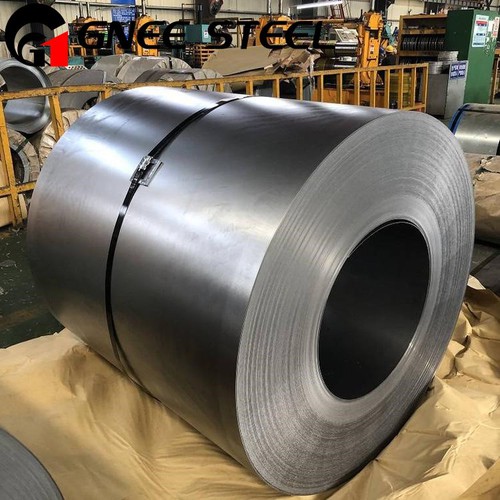

Chemical Composition of Inconel 800
The chemical composition of Inconel 800 is a key factor in determining its physical and mechanical properties. The alloy is primarily composed of the following elements:
Nickel (Ni) – 30% to 35%
Nickel is the main component of Inconel 800 and makes up a large portion of the alloy. It imparts several key properties to the alloy, including:
Corrosion Resistance: Nickel enhances the alloy's resistance to oxidation and carburization, making it suitable for high-temperature applications.
Ductility and Toughness: Nickel helps the alloy withstand mechanical stress and deformation without breaking.
Stability: Nickel provides thermal stability, allowing Inconel 800 to maintain its properties at elevated temperatures.
Chromium (Cr) – 19% to 23%
Chromium is another important element in Inconel 800, and it does the following:
Oxidation Resistance: Chromium forms a protective oxide layer on the alloy's surface, helping to prevent further oxidation.
Corrosion Resistance: Chromium enhances the alloy's ability to resist corrosion in harsh environments.
Strength: Chromium increases the alloy's tensile and yield strength, which improves its overall durability.
Iron (Fe) – Balance
Iron is the primary component of the rest of Inconel 800. While iron itself does not contribute to specific high-performance properties, it plays a role in:
Cost Effectiveness: Iron helps keep the alloy's cost down compared to other high-nickel alloys.
Mechanical Properties: Iron provides additional strength and stability to the alloy.
Carbon (C) – Up to 0.10%
Carbon is present in trace amounts in Inconel 800 alloy. Its functions include:
Carbide formation: Carbon forms carbides, which increase the hardness and strength of the alloy.
Stability: Low carbon content ensures that the alloy remains stable and does not undergo unwanted phase changes at high temperatures.
Manganese (Mn) – Up to 1.0%
Manganese is present in very low amounts and has the following functions:
Deoxidation: Manganese helps remove oxygen from the alloy during the production process, thereby improving the quality of the alloy.
Toughness: It enhances the toughness and impact resistance of the alloy.
Silicon (Si) – Up to 1.0%
Silicon is present in trace amounts and has the following functions:
Deoxidation of the alloy: Silicon helps remove oxygen from the alloy during the production process, resulting in a cleaner, more uniform product.
Strength enhancement: Silicon enhances the strength of the alloy.
Copper (Cu) – up to 0.75%
Copper is present in very low amounts but affects:
Corrosion resistance: Copper can slightly increase the alloy's resistance to certain types of corrosion.
Machinability: It may affect the alloy's machinability and machinability.
Other elements (trace amounts)
Inconel 800 alloy may also contain trace amounts of other elements, such as titanium (Ti) and aluminum (Al), to enhance specific properties or improve the alloy's performance in specific applications.
Properties Determined by Chemistry
The chemistry of Inconel 800 alloy gives it several key properties that make it suitable for a wide range of applications:
High-temperature stability
The combination of nickel, chromium, and iron enables Inconel 800 alloy to maintain its mechanical properties and structural integrity at temperatures up to 1,200°C (2,200°F). This makes it ideal for furnace components, heat exchangers, and other high-temperature environments.
Corrosion and Oxidation Resistance
The chromium element allows it to maintain excellent resistance to oxidation and corrosion even in harsh environments such as chemical processing and petrochemical industries. This corrosion resistance is essential for components exposed to corrosive chemicals and high temperatures.
Mechanical Strength
Inconel 800 alloy has high tensile strength, yield strength, and creep resistance. This strength allows it to withstand large mechanical stresses and deformations, making it suitable for structural and load-bearing applications.
Ductility and Toughness
The alloy's composition ensures that it maintains good ductility and toughness, allowing it to absorb shocks and stresses without breaking. This property is essential for components subjected to dynamic loads and thermal cycles.
Applications of Inconel 800 Steel Coil
Due to its unique properties, Inconel 800 Steel Coil is used in a wide range of industries and applications:
Aerospace: Components in jet engines and other high-temperature aerospace applications.
Chemical Processing: Equipment used to handle corrosive chemicals and high-temperature reactions.
Petrochemical: Components for oil and gas refining processes, including reactors and heat exchangers.
Furnace Components: Elements in industrial furnaces that operate at high temperatures.


