

Technical standards for Incoloy 825 high-temperature alloy pipe materials
Technical standards and applications of Incoloy 825 high-temperature alloy pipes
Incoloy 825 is a high-performance nickel-based high-temperature alloy. Due to its excellent high-temperature resistance, good oxidation resistance and corrosion resistance, it is widely used in aerospace, energy generation, petrochemical and other fields. This article will comprehensively analyze the technical characteristics and application precautions of Incoloy 825 high-temperature alloy pipes from the aspects of technical parameters, industry standards, and material selection misunderstandings.
1. Technical parameters and performance characteristics
The main chemical components of Incoloy 825 high-temperature alloy pipes include nickel (Ni), chromium (Cr), molybdenum (Mo), iron (Fe) and other elements, of which the nickel content is about 50%, which is its main matrix element. This composition design gives the material excellent mechanical properties and corrosion resistance in high-temperature environments (up to 900°C).
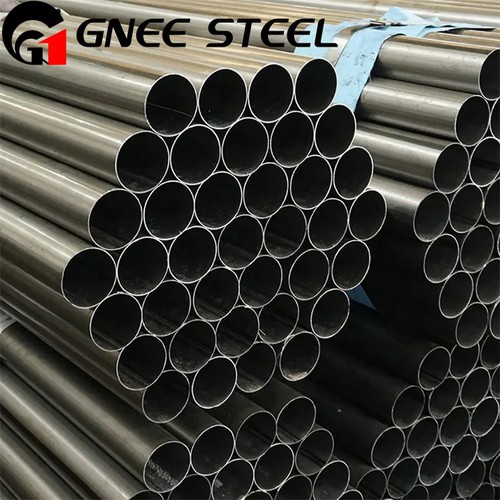
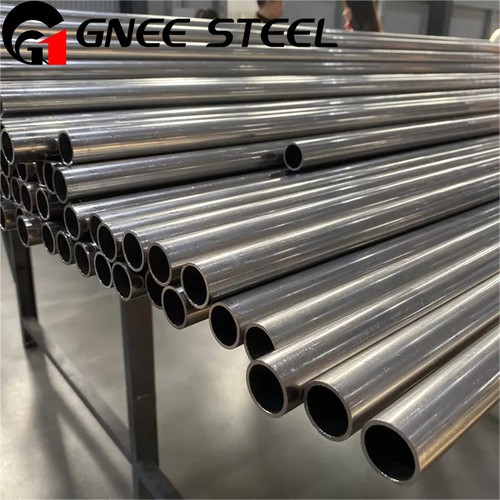
Physical properties The density of Incoloy 825 is about 8.5 g/cm³, and the melting point is around 1300°C. Its thermal conductivity is low, making it suitable for high-temperature insulation environments.
Mechanical properties At room temperature, the yield strength of Incoloy 825 is about 350 MPa, and the tensile strength can reach 600 MPa. At high temperature (600°C), its yield strength remains above 250 MPa, which is better than many other nickel-based alloys.
Anti-oxidation properties Due to the high content of chromium and molybdenum elements, Incoloy 825 performs well in high-temperature oxidizing environments and can be used for a long time at temperatures above 600°C without significant oxidation.
Corrosion resistance Incoloy 825 has good corrosion resistance to a variety of corrosive media (such as hydrochloric acid, sulfuric acid, nitric acid, etc.), especially in wet and hot environments.
2. Industry standards and quality control
The quality control of Incoloy 825 high-temperature alloy pipes strictly follows international and domestic standards. The following are two major industry standards:
ASTM B928/B928M The American Society for Testing and Materials (ASTM) standard B928/B928M specifies the chemical composition, mechanical properties and process properties of Incoloy 825 alloy bars, plates and pipes. The standard requires that the wall thickness uniformity, surface quality and non-destructive testing of the pipe meet specific requirements.
AMS 5598 American Aerospace Standard (AMS) 5598 is specifically for bars and plates of Incoloy 825 alloy, emphasizing its performance stability in high temperature environments. The standard has strict requirements on the heat treatment process and microstructure of the material.
Domestic standards such as GB/T 13297-2015 also clearly stipulate the performance indicators of nickel-based alloy pipes, which are in line with international standards.
3. Material selection misunderstandings
When selecting Incoloy 825 high-temperature alloy pipes, you need to pay attention to the following three common misunderstandings:
Confusing alloy grades Incoloy 825 and other nickel-based alloys (such as Inconel 600, Inconel 800) have differences in composition and performance. When selecting materials, it is necessary to clarify the material grade and application scenario to avoid substandard performance due to confusion.
Ignore the use environment Although Incoloy 825 has excellent performance, it may not be as suitable as other materials in specific environments. For example, in extremely high temperature or highly corrosive environments, more suitable materials need to be selected in combination with specific working conditions.
Focus only on price and ignore performance High temperature alloys have high costs, but their performance advantages are often reflected in the reduction of long-term use and maintenance costs. When selecting materials, the balance between performance and cost should be considered comprehensively to avoid subsequent problems caused by low-priced and inferior materials.
IV. Technical disputes and solutions
One of the technical disputes about Incoloy 825 high temperature alloy pipes is its strength stability at high temperatures. Some studies have shown that the microstructure of the material may change during long-term high-temperature operation, resulting in a decrease in strength. To solve this problem, it is recommended to take the following measures during design and use:
Optimize heat treatment process Through reasonable heat treatment processes (such as solution treatment and aging treatment), the microstructure of the material can be effectively stabilized and the strength stability at high temperatures can be improved.
Monitor material status When used for a long time in a high temperature environment, it is recommended to conduct non-destructive testing and performance monitoring regularly to detect potential problems in a timely manner.
V. Summary and Suggestions
Incoloy 825 high-temperature alloy pipes have become an indispensable key material in high-temperature environments due to their excellent performance. In the process of material selection and use, it is necessary to strictly follow industry standards, avoid selection errors, and pay attention to technical disputes to ensure the performance stability and reliability of the material.
For users, it is recommended to combine specific application scenarios when selecting materials, comprehensively consider material performance, cost and quality stability, and select suitable high-temperature alloy pipes. Pay close attention to market trends and technological innovations to meet changing market demands and technical challenges.


